qixinwei-pcba


RP2350-USB-C Mini Development Board Based on Raspberry Pi RP2350A Dual-Core Dual-Architecture 150MHz 2MB Flash
RP2350-USB-C Product Overview
The RP2350-USB-C Mini Development Board is a high-performance, highly integrated microcontroller development board independently designed by Waveshare, built around the Raspberry Pi RP2350A microcontroller chip. Featuring a unique dual-core, dual-architecture design, RP2350-USB-C is equipped with dual ARM Cortex-M33 processors and dual Hazard3 RISC-V processors, both clocked at up to 150MHz, allowing users to switch flexibly between the two architectures. With 520KB SRAM and 2MB onboard Flash, RP2350-USB-C's PCB edge adopts a castellated (half-hole) process, enabling direct soldering onto user-designed carrier boards for industrial control, IoT terminals, robotics, and portable device applications.
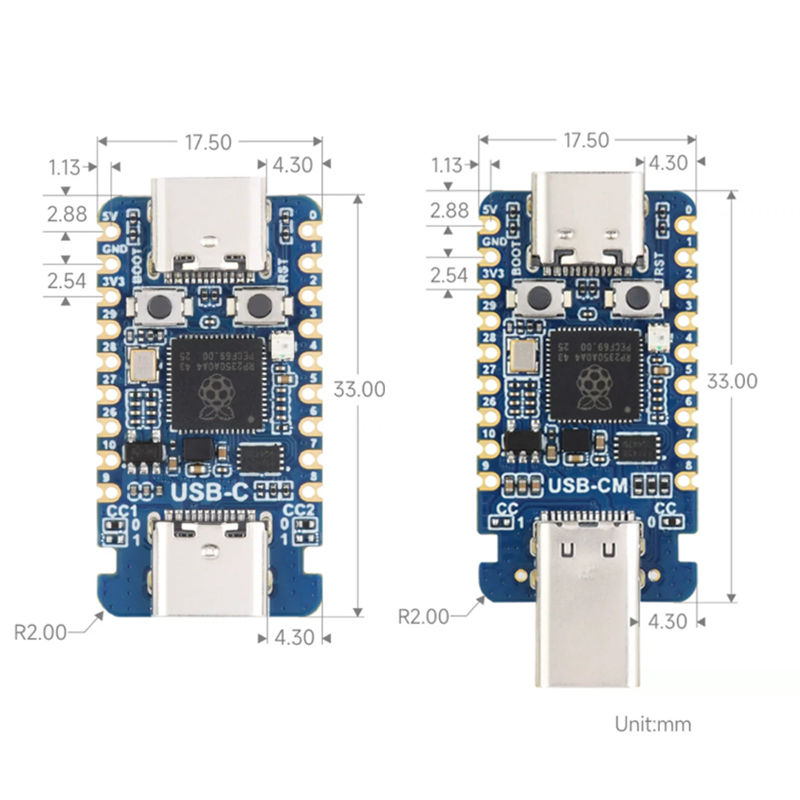
| Model | RP2350-USB-C / RP2350-USB-CM |
| Chip | Raspberry Pi RP2350A |
| CPU | Dual Arm Cortex-M33 or Dual Hazard3 RISC-V, 150MHz |
| Memory | 520KB SRAM |
| Flash | 2MB NOR Flash (W25Q16JVUXIQ) |
| GPIO | 15 multifunction GPIO |
| ADC | 4 channels × 12-bit |
| PWM | 14 controllable PWM channels |
| SPI | 2 |
| I2C | 2 |
| UART | 2 |
| PIO | 12 programmable I/O state machines |
| USB | USB 1.1 host/device, Type-C |
| PIO-USB | Type-C receptacle (RP2350-USB-C) / Type-C plug (RP2350-USB-CM) |
| LED | WS2812 RGB LED |
| Buttons | BOOT + RUN |
| LDO | RT9013-33GB, 500mA low-dropout low-noise |
| Power | Type-C, PD compatible |
| Package | Castellated (half-hole) |
| Development | MicroPython / C/C++ SDK / Arduino IDE |
| Security | Arm TrustZone, Secure Boot, OTP key storage, SHA-256 accelerator |
RP2350-USB-C Applications
RP2350-USB-C is used for embedded prototyping and rapid validation
RP2350-USB-C supports PIO-USB host/device development
RP2350-USB-C is ideal for RISC-V architecture learning and evaluation
RP2350-USB-C enables custom carrier board integration and production transition
RP2350-USB-C is applied in IoT terminals and sensor nodes
RP2350-USB-C is suitable for educational labs and maker projects
RP2350-USB-C Advantages & Highlights
RP2350-USB-C Dual-Architecture Innovation: ARM Cortex-M33 and RISC-V Hazard3 dual-architecture switching capability provides developers with a unique platform for exploring RISC-V architecture within a mature ARM ecosystem.
RP2350-USB-C Ultra-Compact Castellated Package: The half-hole process design allows RP2350-USB-C to be soldered directly onto custom carrier boards, significantly reducing product size for space-constrained embedded integration projects.
RP2350-USB-C Complete Development Ecosystem: Supports MicroPython, C/C++ SDK, and Arduino with complete SDK, open-source tutorials, and example programs for rapid onboarding.
RP2350-USB-C High Integration Onboard Resources: Single board integrates LDO, Flash, RGB LED, BOOT/RUN buttons, and PIO-USB interface, greatly simplifying peripheral circuit design.
RP2350-USB-C Modern Type-C Interface: Type-C connector with reversible plug orientation and PD protocol support.
RP2350-USB-C Low-Power Design: Supports sleep and dormant modes, suitable for battery-powered portable devices and energy-sensitive applications.
RP2350-USB-C RP2040 Ecosystem Compatibility: RP2350 is largely software-compatible with RP2040, allowing integration with RP2040's rich open-source ecosystem.
FAQ
Q: How does the dual-core, dual-architecture switching work?
A: The RP2350A's unique dual-core, dual-architecture capability allows switching between a pair of industry-standard Arm Cortex-M33 cores and a pair of open-hardware Hazard3 RISC-V cores, selectable in software or by programming the on-chip OTP memory, enabling developers to try RISC-V in a stable, well-supported environment.
Q: What is the PIO-USB interface used for?
A: PIO-USB leverages the RP2350A's Programmable I/O (PIO) subsystem to implement USB host/device functionality. RP2350-USB-C has a Type-C receptacle PIO-USB port and the RP2350-USB-CM has a Type-C plug PIO-USB port, both usable as USB host or device via PIO - suitable for embedded projects needing additional USB ports, such as HID device bridging and USB host controller applications.
Q: What programming languages and development environments are supported?
A: RP2350-USB-C supports MicroPython via Thonny IDE, C/C++ via VS Code + Pico SDK, and Arduino IDE for rapid prototyping.
Q: What is the advantage of the castellated design?
A: RP2350-USB-C's half-hole castellated process allows the board to be soldered directly onto user-designed carrier boards without additional connectors or headers, significantly reducing final product size and thickness - ideal for space-constrained embedded designs.
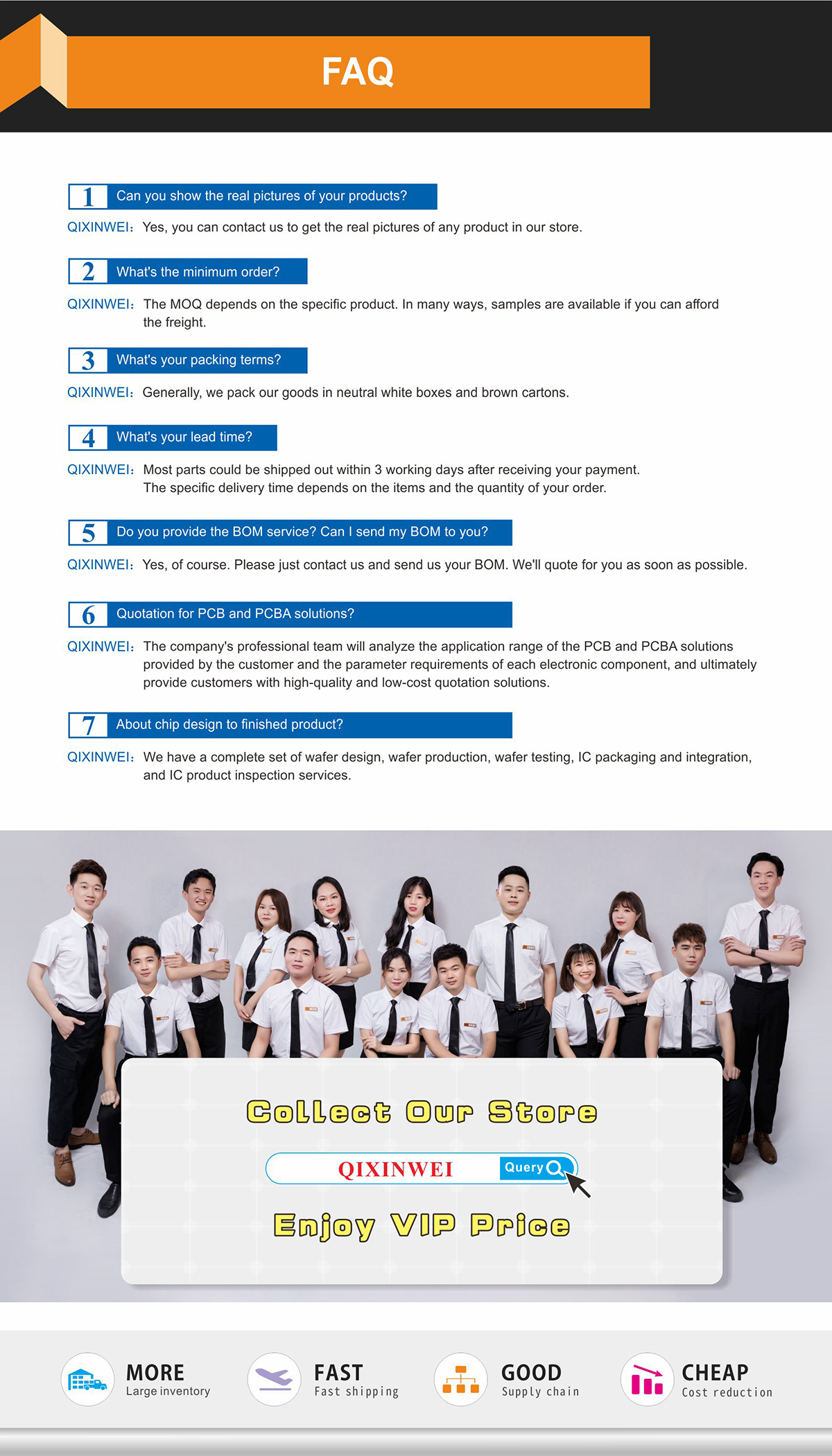
Q: What is the difference between RP2350-USB-C and RP2350-USB-CM?
A: Both share identical core specifications (RP2350A chip, 150MHz, 520KB SRAM, 2MB Flash, 15 GPIO). The primary difference is the PIO-USB interface form factor: RP2350-USB-C uses a Type-C receptacle; RP2350-USB-CM uses a Type-C plug. Choose based on your connection requirements.
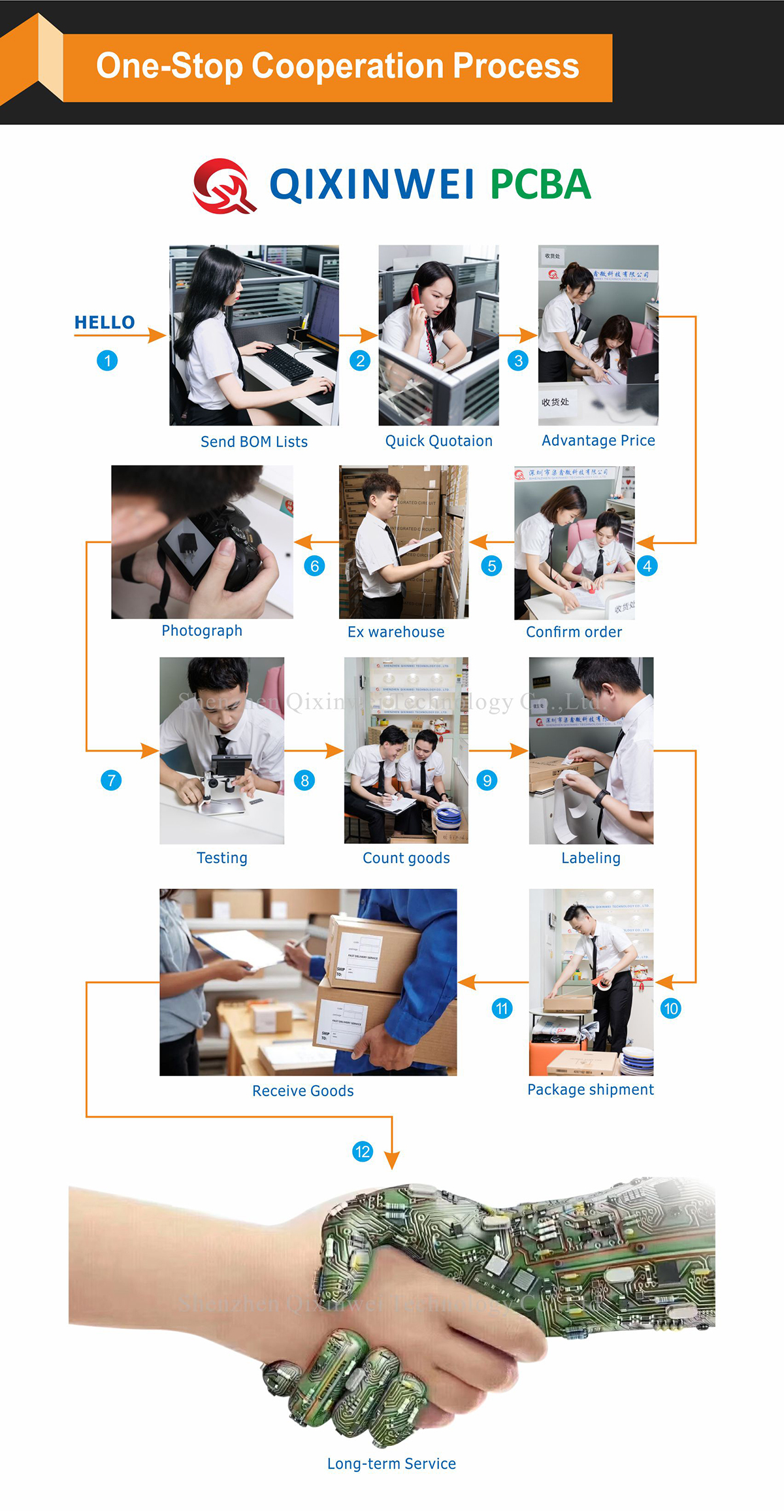
Why Choose QIXINWEI
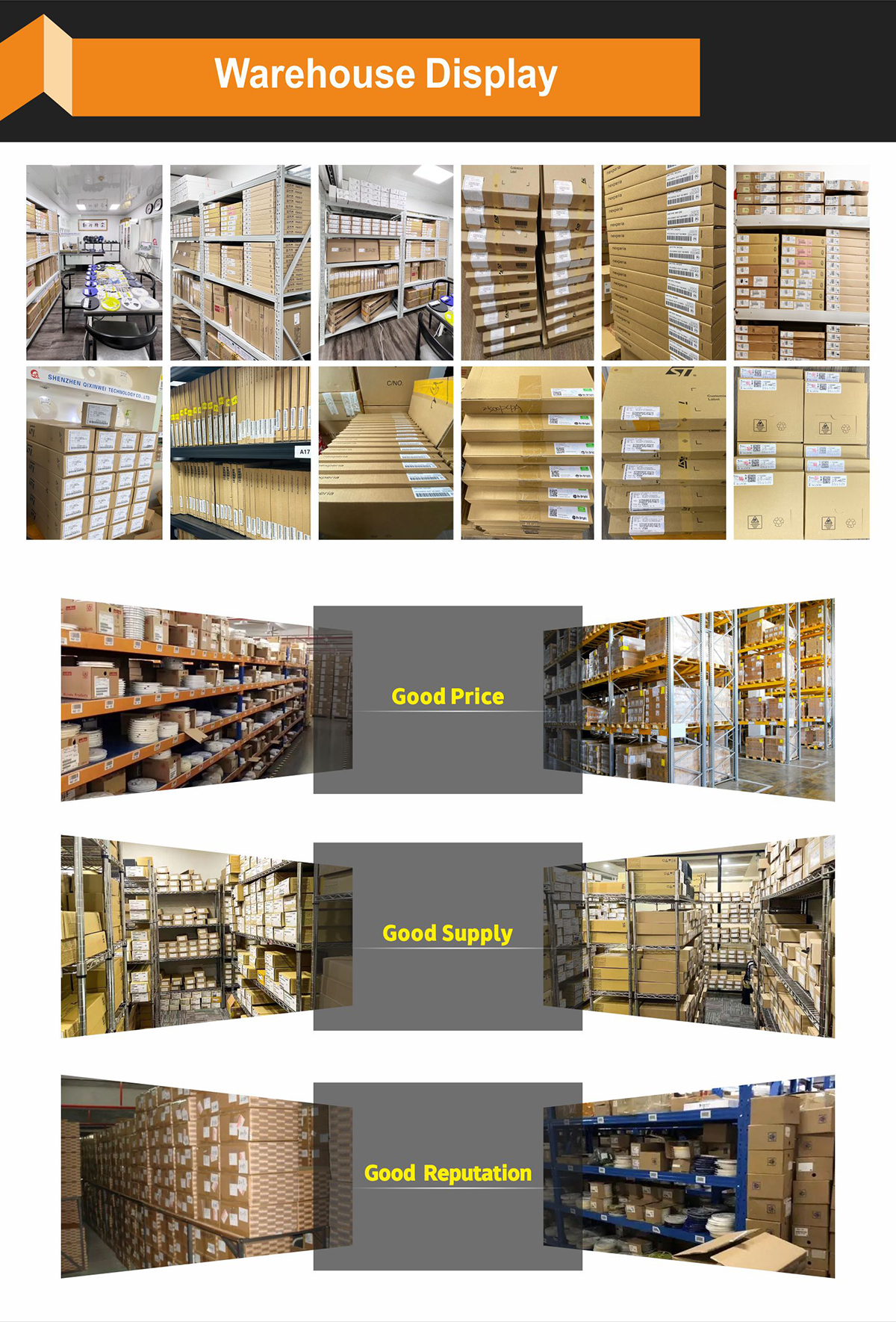
Years of experience in the electronics industry. Trusted by global customers.
Massive In-Stock Inventory - Ready to ship promptly
BOM Matching Service - One-stop solution, save time
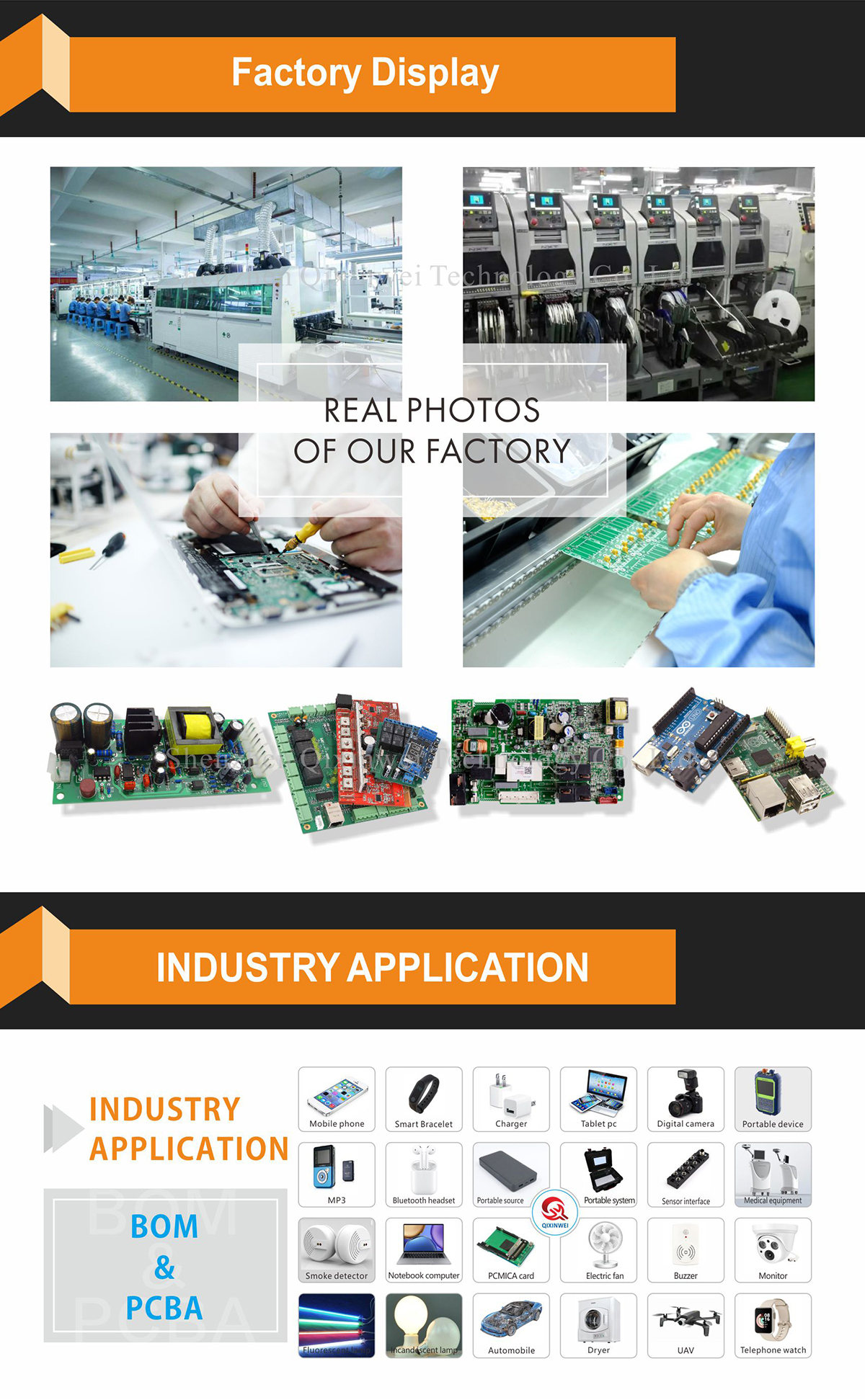
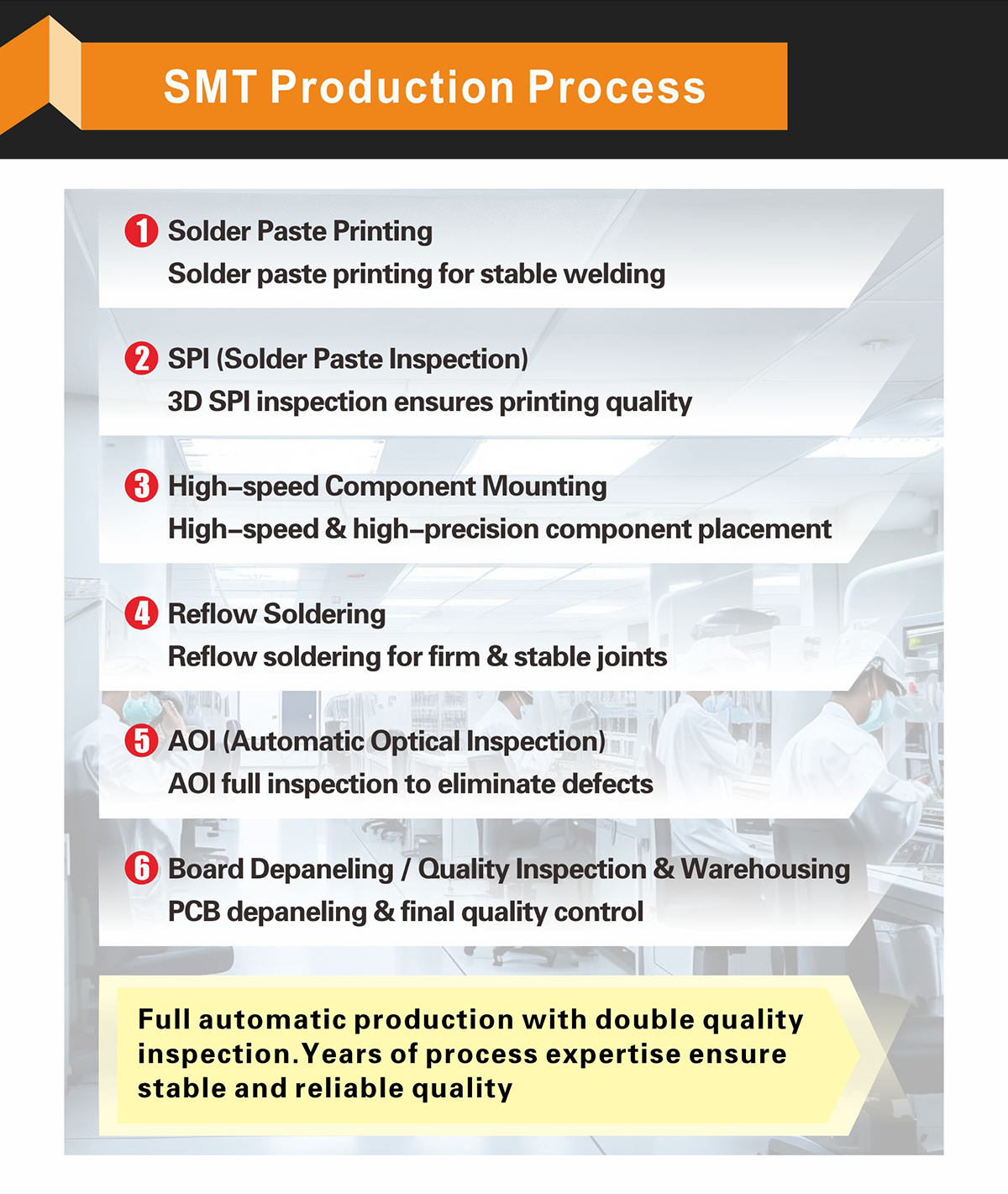
PCBA Customization - Professional engineering team creates tailor-made solutions based on your needs
Cost-Effective & Efficient - Better channel, better cost
A dedicated team makes your procurement smoother.
Contact us for BOM quotes or PCBA inquiries

- Part number:
- RP2350-USB-C / RP2350-USB-CM
- Chip:
- Raspberry Pi RP2350A
- Memory:
- 520KB SRAM
- Flash:
- 2MB NOR Flash(W25Q16JVUXIQ)
- GPIO:
- 15
- SPI:
- 2
- I2C:
- 2
- UART:
- 2
- Development:
- MicroPython / C/C++ SDK / Arduino IDE