qixinwei-pcba


RP2040 Raspberry Pi Microcontroller Chip Dual-Core ARM Cortex-M0+ 133MHz 264KB SRAM QFN-56 7x7mm
RP2040 Product Overview
The RP2040 is the debut microcontroller from Raspberry Pi, manufactured on a 40nm low‑power process. Housed in a 7×7mm QFN-56 package, the RP2040 operates over a -40℃ to +85℃ temperature range. The RP2040 delivers a dual‑core Cortex‑M0+ processor, 264KB SRAM, 30 GPIOs, and a unique Programmable I/O (PIO) subsystem, making it the core of the Raspberry Pi Pico and countless embedded projects.
RP2040 Core Features
Dual‑Core Cortex‑M0+ Processor: The RP2040 features a dual‑core ARM Cortex‑M0+ processor running at up to 133MHz, overclockable to over 400MHz. The symmetric dual‑core architecture of the RP2040 with a fully‑connected AHB crossbar enables efficient parallel processing.
Large On‑Chip SRAM: The RP2040 provides 264KB SRAM organised in six independent banks, paired with a DMA controller and a fully‑connected bus matrix to maximise system performance. The RP2040 supports up to 16MB of external Flash via a dedicated QSPI bus.
30 Multifunctional GPIOs: The RP2040 offers 30 GPIO pins, 4 of which can serve as 12‑bit ADC analog inputs. The rich peripheral set of the RP2040 includes 2×UART, 2×SPI, 2×I2C, 16×PWM channels, and a USB 1.1 controller (host and device support).
Programmable I/O (PIO) Subsystem: The RP2040 features 8 PIO state machines enabling software‑implemented protocols including SDIO, DPI, I2S, and even DVI‑D.
Low Power & Easy Development: The RP2040 supports low‑power sleep and dormant modes. The RP2040 includes an on‑chip temperature sensor, programmable LDO and PLLs. The RP2040 also offers drag‑and‑drop programming via USB mass storage.
RP2040 Applications
The RP2040 is widely used in embedded systems, IoT nodes, DIY maker projects, robotics, smart home devices, sensor networks, industrial automation, wearables, education, HID devices (keyboards, mice), audio processing, motor control, and data acquisition.
RP2040 Key Advantages
Unique Combination of Dual‑Core + Large RAM + PIO: The symmetric dual‑core architecture of the RP2040 delivers ample integer performance; the 264KB SRAM of the RP2040 frees developers from tight memory optimisation; the PIO subsystem of the RP2040 enables flexible custom digital interfaces beyond traditional MCUs.
Mature Development Ecosystem: Full C/C++ SDK and MicroPython support are available for the RP2040; the RP2040 is compatible with Arduino IDE, Eclipse, VS Code, and more. Raspberry Pi aims to supply the RP2040 until at least January 2041.
Why Choose QIXINWEI
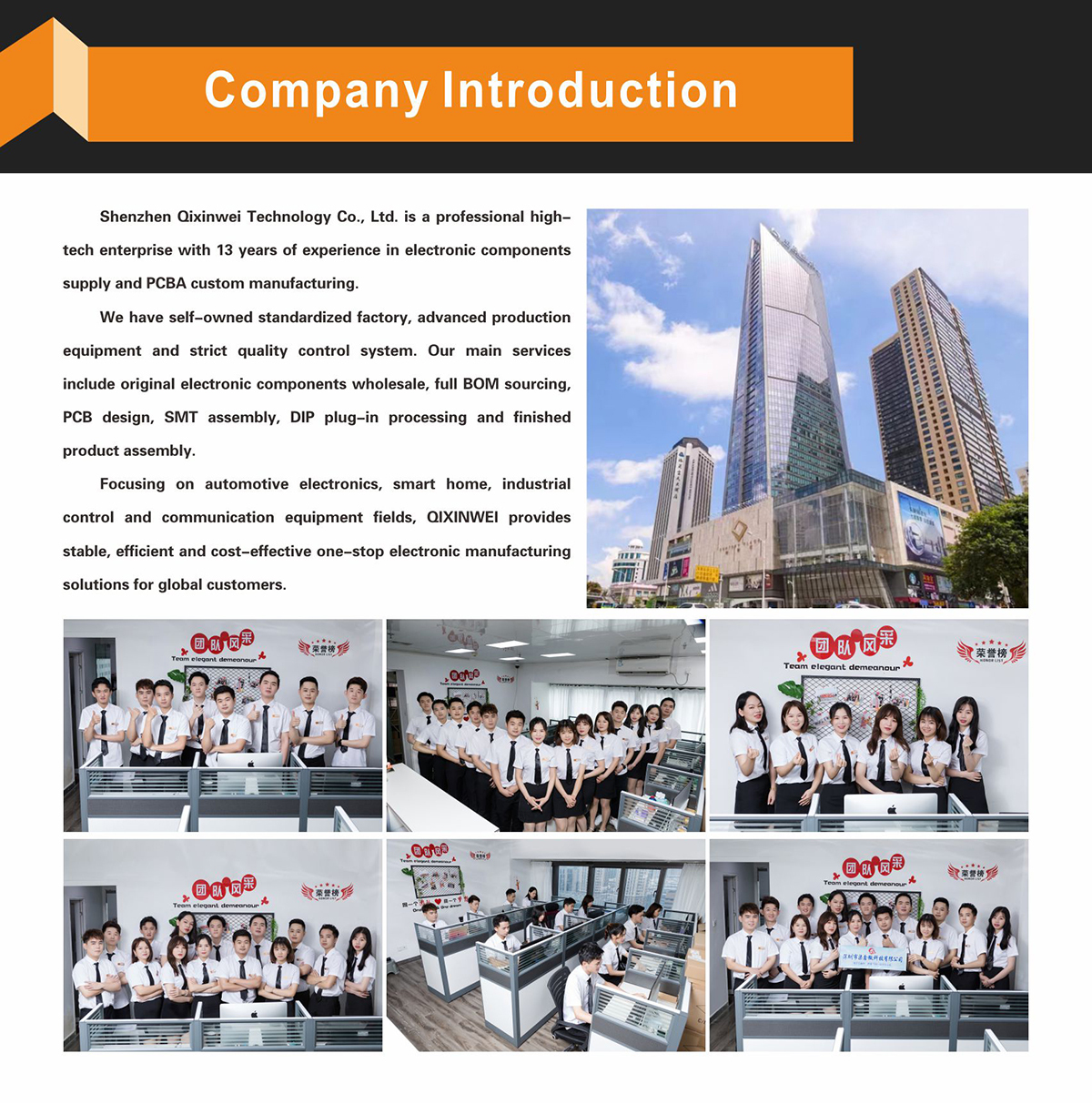
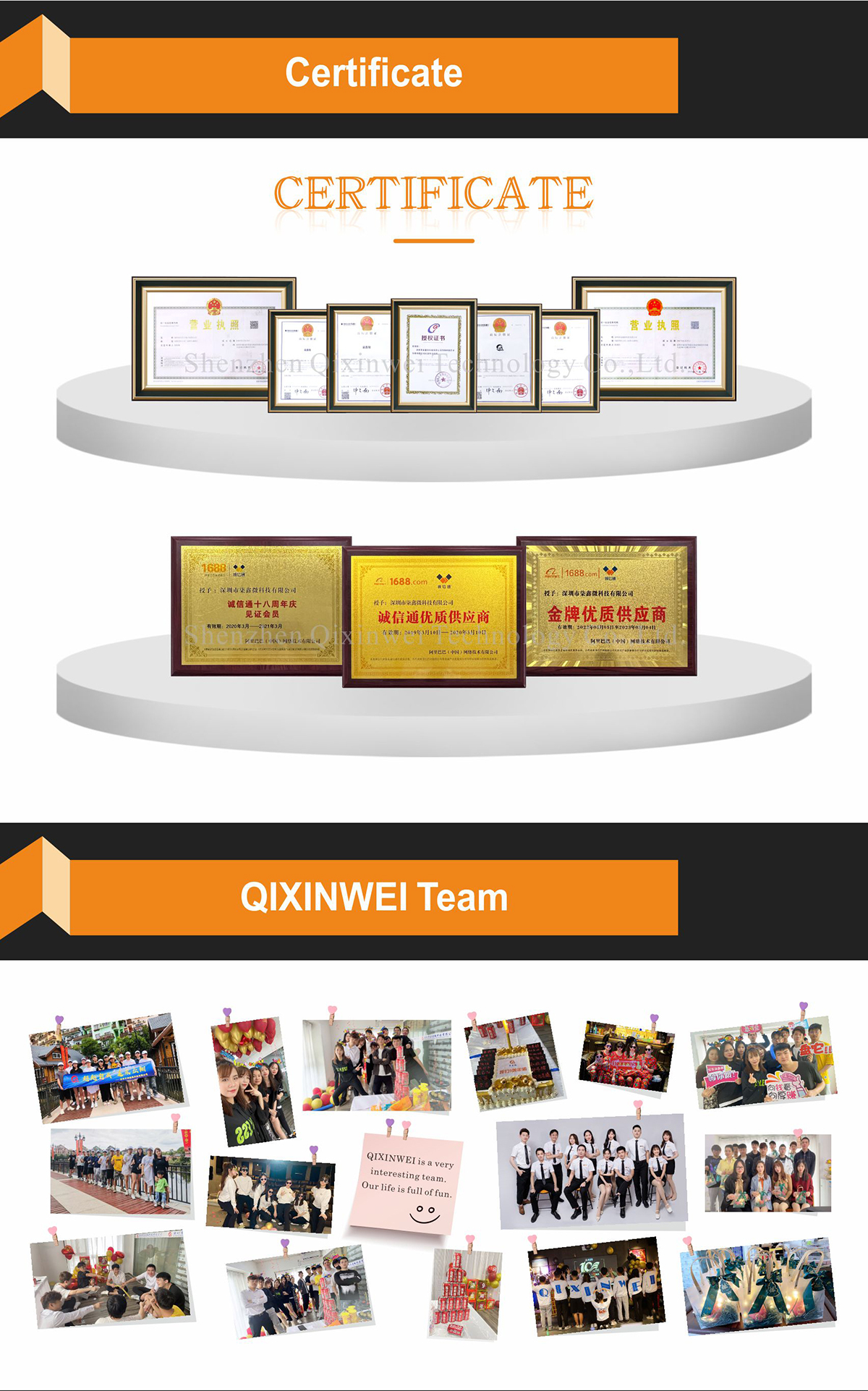
Years of experience in the electronics industry. Trusted by global customers.
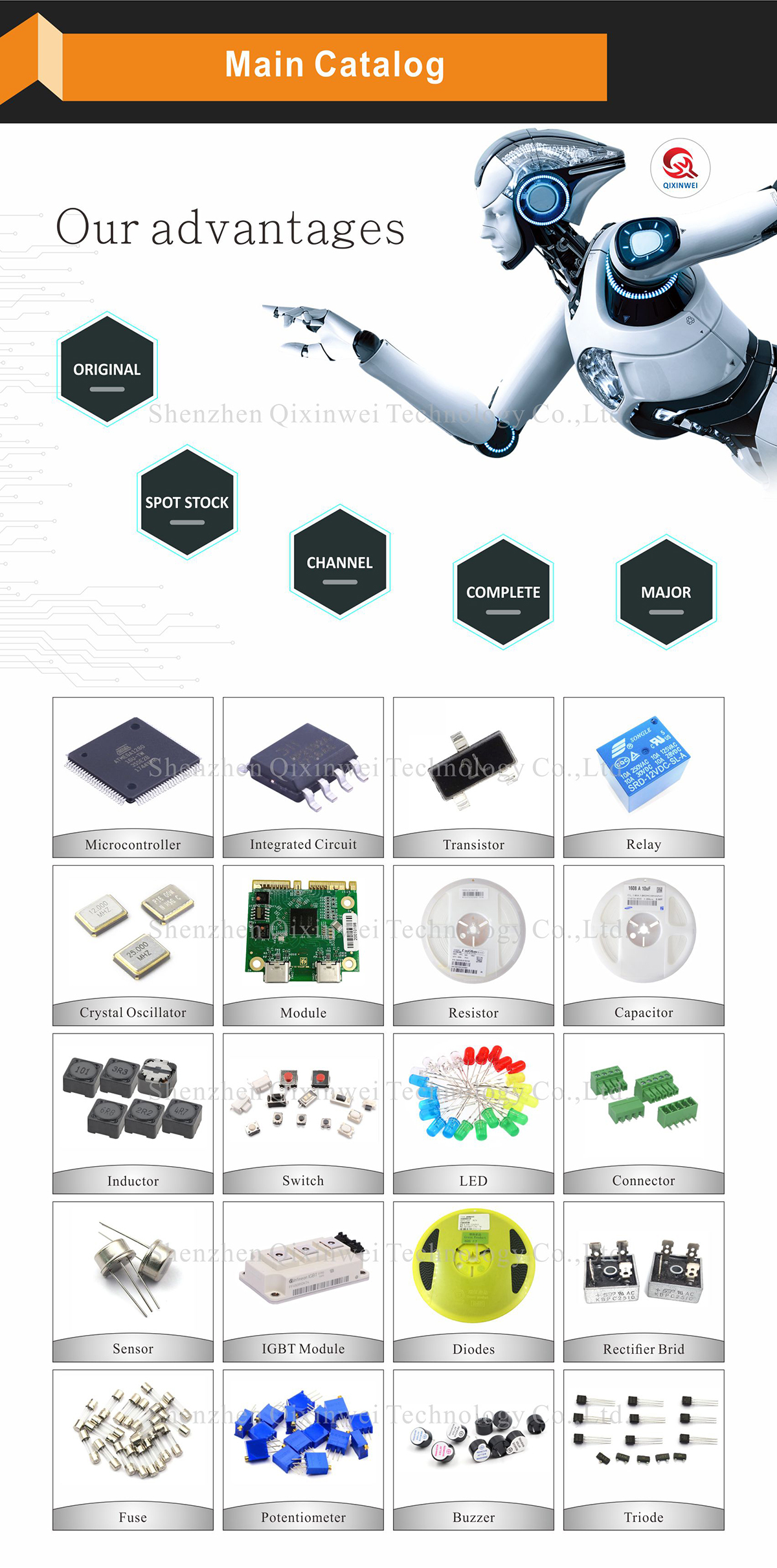
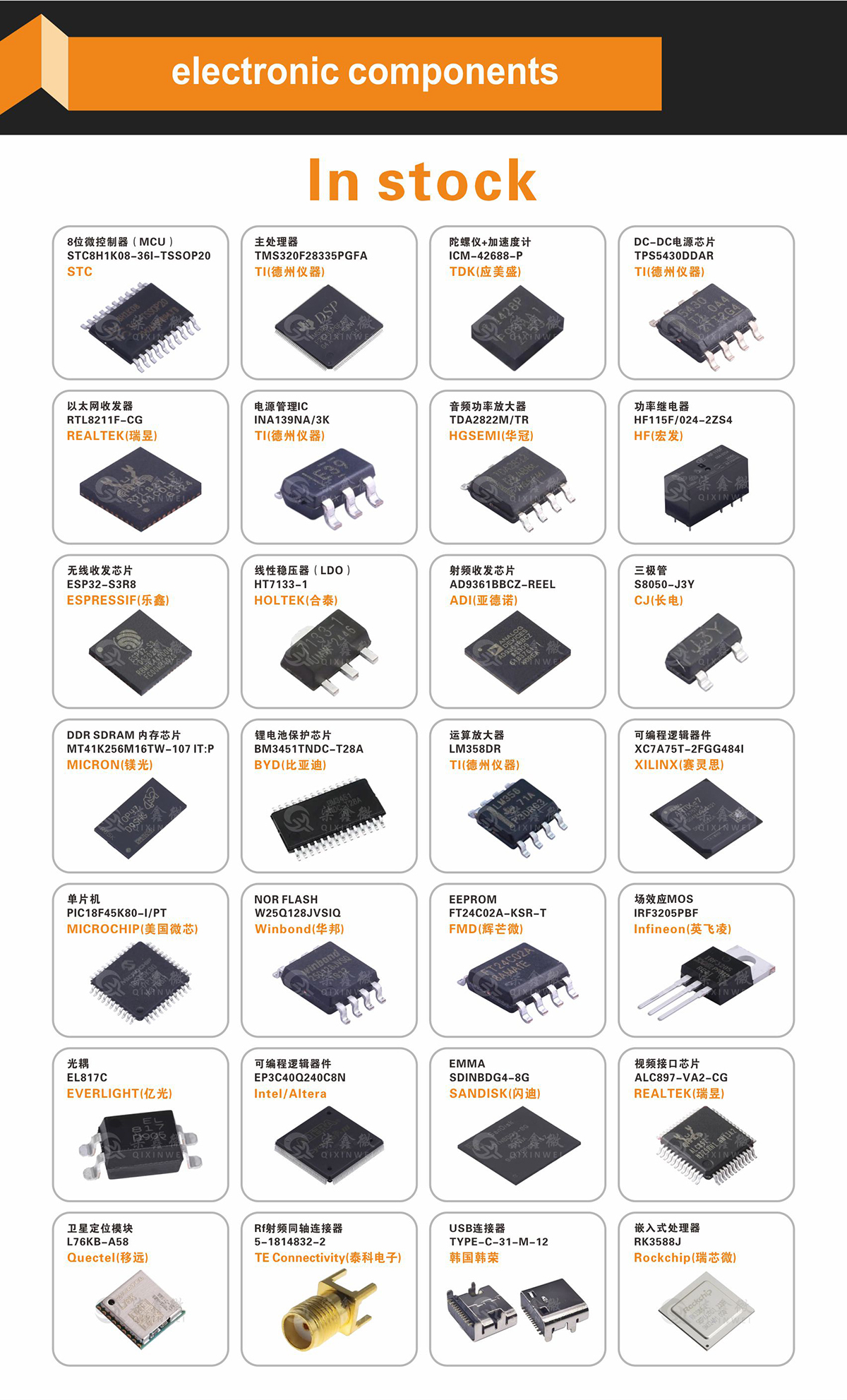
Massive In-Stock Inventory – Ready to ship promptly
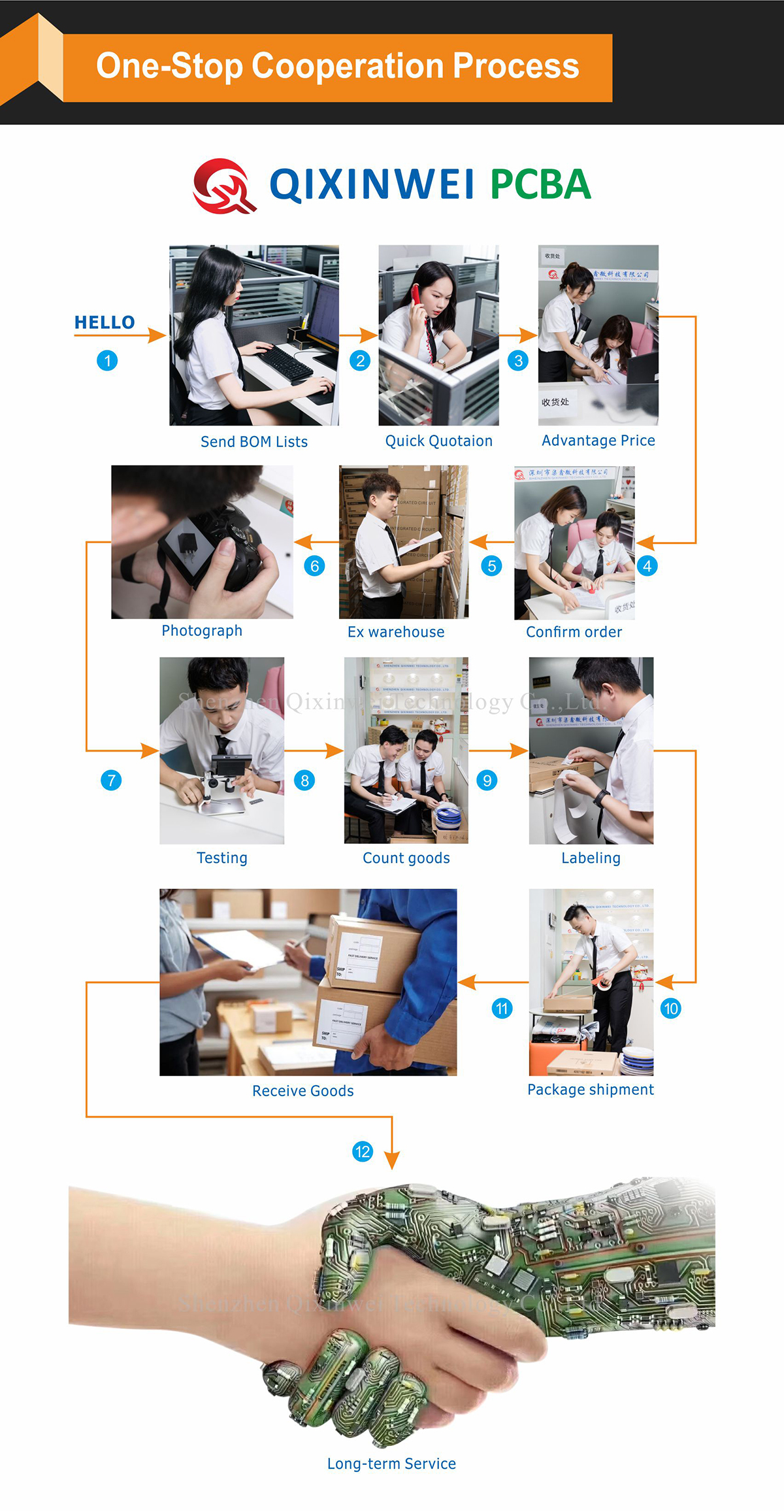
BOM Matching Service – One-stop solution, save time
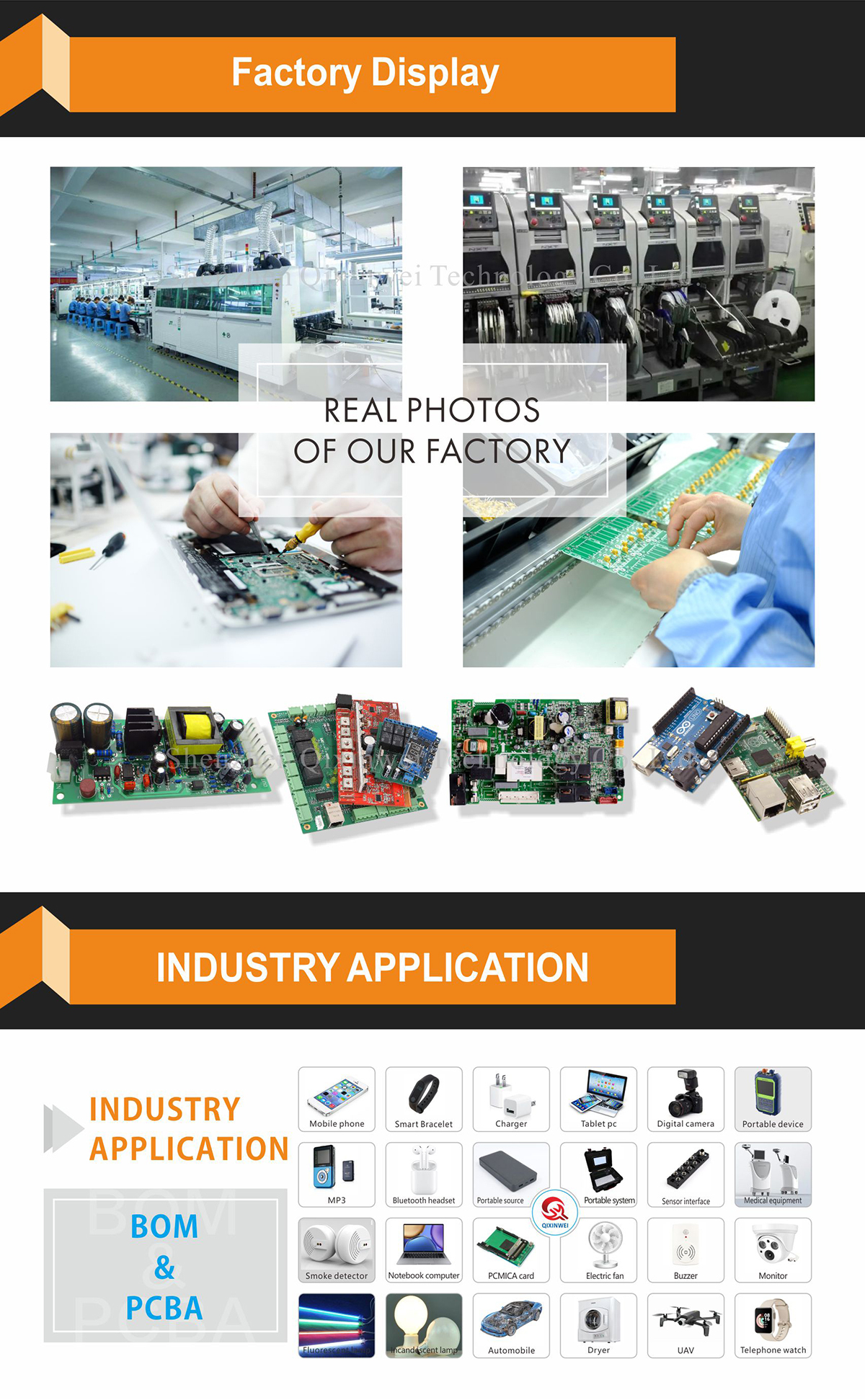
PCBA Customization – Professional engineering team creates tailor-made solutions based on your needs
Cost-Effective & Efficient – Better channel, better cost
A dedicated team makes your procurement smoother.
Contact us for BOM quotes or PCBA inquiries


FAQ
1. What is the RP2040 and what makes it special?
The RP2040 is the first microcontroller designed by the Raspberry Pi Foundation. The standout feature of the RP2040 is the PIO (Programmable I/O) subsystem—a hardware block that can emulate almost any digital protocol (e.g., WS2812 LEDs, I2S audio, vintage game controllers) without using the main CPU.
2. Does the RP2040 have internal Flash? How do you store programs?
No, the RP2040 has no internal Flash. Instead, the RP2040 uses a dedicated QSPI interface to connect to an external SPI Flash chip. The program executes directly from the external Flash via XIP (eXecute In Place). This allows the RP2040 to use Flash sizes from 2 MB to 16 MB, providing great flexibility.
3. Can both Cortex-M0+ cores of the RP2040 really be used at the same time? How do you divide tasks?
Yes, the two cores of the RP2040 can run independent code and communicate via FIFOs. A common approach with the RP2040 is to dedicate one core to real-time tasks (e.g., motor control, sensor sampling) and the other to communication or UI updates. The SDK for the RP2040 provides mutexes, queues, and cross-core FIFOs, making multi-core programming straightforward.
4. What can the PIO of the RP2040 actually do? Can you give a practical example?
The PIO of the RP2040 excels at protocols requiring precise timing. The classic example with the RP2040 is driving WS2812 (Neopixel) addressable LED strips—these need nanosecond-precision pulses that ordinary GPIO can't reliably produce, but the PIO on the RP2040 handles them easily with just a few lines of code. It can also generate VGA video, emulate PS/2 keyboard/mouse interfaces, or implement custom SPI variants.
5. What programming languages are supported by the RP2040? Is it only C?
The RP2040 supports C/C++ (official Pico SDK), MicroPython, or Arduino. The official C SDK for the RP2040 offers the best performance and functionality, MicroPython on the RP2040 is great for rapid prototyping, and the Arduino-Pico core provides the RP2040 with compatibility with a huge range of existing libraries. Choose whichever suits your project complexity.
6. Does the RP2040 have an ADC? What is its precision?
The RP2040 includes four 12-bit SAR ADC channels with a sampling rate of 0.5 Msps. The ADC reference voltage on the RP2040 can be supplied externally or use the internal reference. While the resolution of the RP2040 ADC isn't the highest in the industry, it's more than adequate for most IoT sensor tasks like temperature, light, or potentiometer readings.
7. Can the RP2040 directly drive a TFT display?
Yes, common SPI or 8-bit parallel TFT displays work well with the RP2040. For standard SPI screens, the built-in SPI peripheral of the RP2040 is used; for higher refresh rates or non-standard interfaces, the PIO of the RP2040 can be used. Many community libraries—such as LVGL and TFT_eSPI—already support the RP2040.
8. What is the power consumption of the RP2040 like? Is it suitable for battery-powered devices?
The RP2040 itself is low-power, with typical active current in the tens of milliamps. The RP2040 supports sleep modes that can be woken via external interrupts or RTC. While the RP2040 doesn't have dedicated nanoamp-level deep-sleep modes like some ultra-low-power MCUs, it can still work well in battery-operated devices when combined with external power management.
9. What debugger is needed to develop for the RP2040? How do you flash firmware?
The easiest method for the RP2040 is USB drag-and-drop programming. With the BOOTSEL button held during power-up, the RP2040 appears as a USB mass storage device—simply copy the UF2 file across. For hardware debugging on the RP2040, you can use the Raspberry Pi Debug Probe or any SWD-compatible debugger.
10. Can the RP2040 replace an existing STM32 design? What should I watch out for?
In many moderate-complexity applications, the RP2040 can replace an STM32 design. The dual-core 133 MHz performance and unique PIO of the RP2040 often allow it to replace designs that previously required a dedicated peripheral or even a small CPLD. Key differences with the RP2040: no CAN interface, no DAC, fewer ADC channels, and no internal Flash. If your system heavily depends on these features, the RP2040 may need external companion chips.
- Model:
- RP2040
- Package:
- QFN-56
- CPU:
- Dual‑core ARM Cortex-M0+ @ 133MHz
- SRAM:
- 264KB
- GPIO:
- 30
- Communication Interfaces:
- 2×UART, 2×SPI, 2×I2C, 16×PWM, USB 1.1
- Special Peripherals:
- 8×PIO state machines, On‑chip temperature sensor, DMA controller
- Operating Temperature:
- -40℃ to +85℃
- Supply Voltage:
- 1.8V - 3.3V
- Applications:
- Embedded systems, IoT, Robotics, Industrial automation, Maker projects, Education