qixinwei-pcba


Rockchip RK628F High Integration Video Interface Bridge Chip for Multi Display Applications
RK628F is a highly integrated video interface bridge chip from Rockchip supporting HDMI 2.0, parallel RGB and BT.1120 inputs up to 4K 60fps input output. Output interfaces include V-by-One HS, dual LVDS, dual MIPI DSI, dual MIPI CSI, HDMI 1.4, parallel RGB and BT.1120 totaling 7 output types. Built in independent MCU enables standalone operation with 1/4 to 6x video scaling and data rate up to 6Gbps. Operating temperature minus 20 to 80 degrees Celsius in BGA-144 8 by 8 millimeter package. Ideal for expanding display interfaces on RK3288 RK3399 RK3588 processors for multi screen commercial display smart projector video capture car infotainment and industrial HMI applications.
RK628F Core Features
Input Interfaces: HDMI 2.0 up to 4K60fps, parallel RGB up to 1080p60, 16 bit BT.1120 interface
Output Interfaces: V-by-One HS up to 4K60fps, dual LVDS up to 1080p60, dual MIPI DSI up to 2560x1600 at 60fps, dual MIPI CSI up to 4K60fps, HDMI 1.4 up to 1080p60, parallel RGB and BT.1120
Video Processing: Built in scaler supporting 1/4 to 6x scaling with up to 4K 60fps input output resolution
Standalone Operation: Built in MCU enables operation without external host processor
Digital Audio: 8 channel I2S audio interface supporting HDMI audio pass through
Data Rate: Up to 6Gbps data transfer rate
Control Interface: I2C control interface and GPIO expansion pins
Supply Voltage: Triple voltage rails 1.71V to 1.89V, 3.135V to 3.465V, 0.99V to 1.21V
Temperature Range: Minus 20 degrees to 80 degrees Celsius
Package Type: BGA-144L 8 by 8 millimeters tape and reel packaging
RK628F Applications
Multi Screen Commercial Display: HDMI input to MIPI DSI or LVDS output for dual screen expansion on RK3288 RK3399 RK3588 processors
Smart Micro Projector: HDMI input to MIPI CSI output as video input source for main processor
Video Capture Card: HDMI input to MIPI CSI output for live streaming capture and drone video transmission
Car Infotainment System: HDMI input to multiple output types for driving in vehicle displays
Docking Station: Single chip for multiple video interface conversion simplifying docking station design
Industrial HMI: High performance video bridging for industrial equipment display requirements
Smart Retail Terminal: Supports high definition display output for self service kiosks and advertising displays
RK3588 Companion Application: Expand display output ports or add HDMI input capability to application processors
RK628F Key Advantages
High Integration 21 in 1: One chip replaces multiple dedicated bridge chips covering 21 conversion scenarios
V-by-One HS Output Support: Industry standard high speed serial interface compatible with THine Electronics patented technology up to 3.75Gbps per lane
4K Ultra HD Support: Up to 4K 60fps input output conversion for high resolution large screen products
Standalone Operation: Built in MCU eliminates need for external host processor reducing cost and complexity
High Data Rate: Up to 6Gbps for smooth high definition video transmission
Mature Software Stack: Based on DRM and FB display framework seamlessly integrated with Rockchip processor ecosystem
Domestic Independent Supply Chain: Rockchip original design released in 2024 with stable production supply
Industrial Temperature Grade: Minus 20 to 80 degrees Celsius for commercial and light industrial applications
Why Choose QIXINWEI
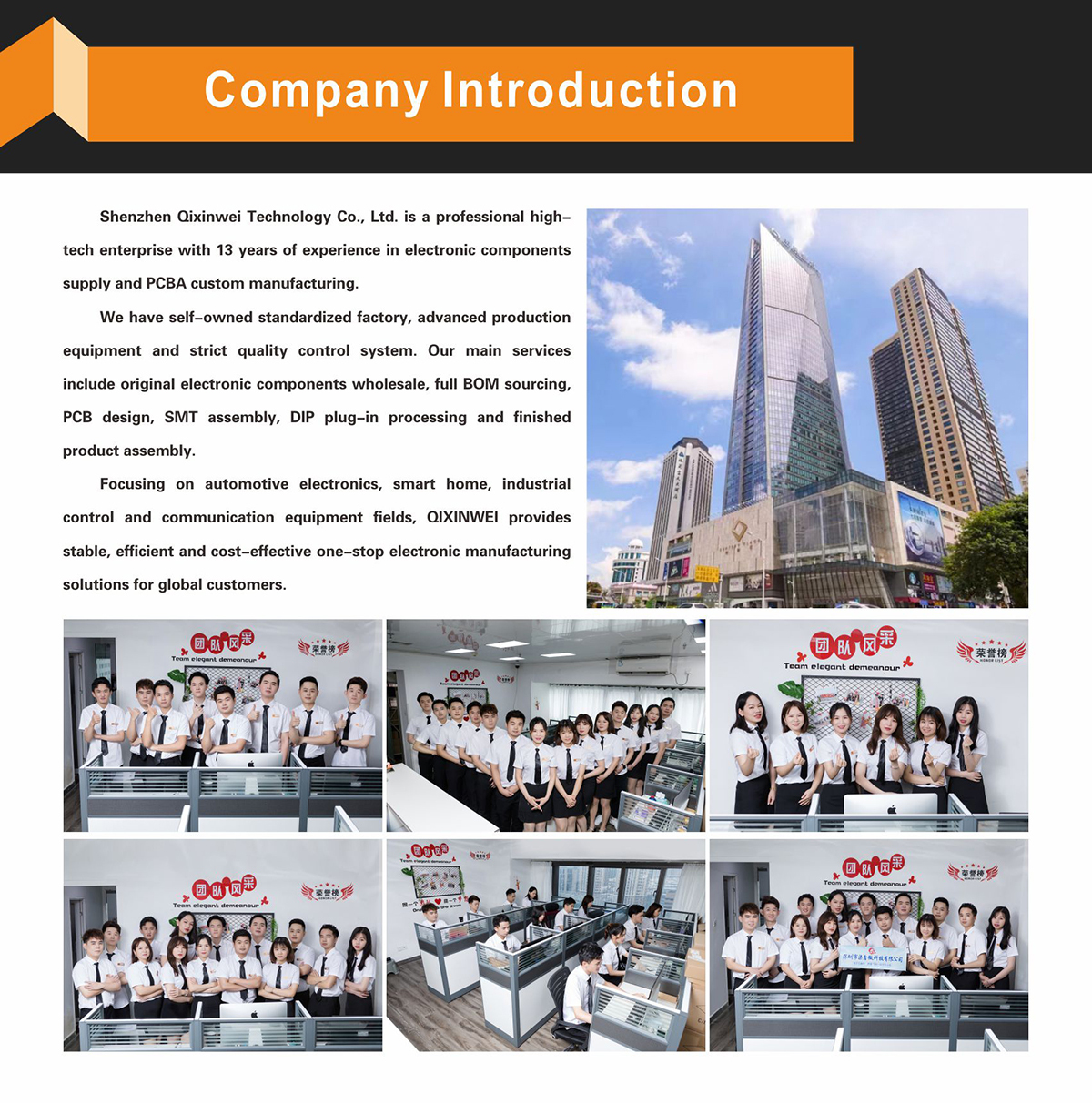
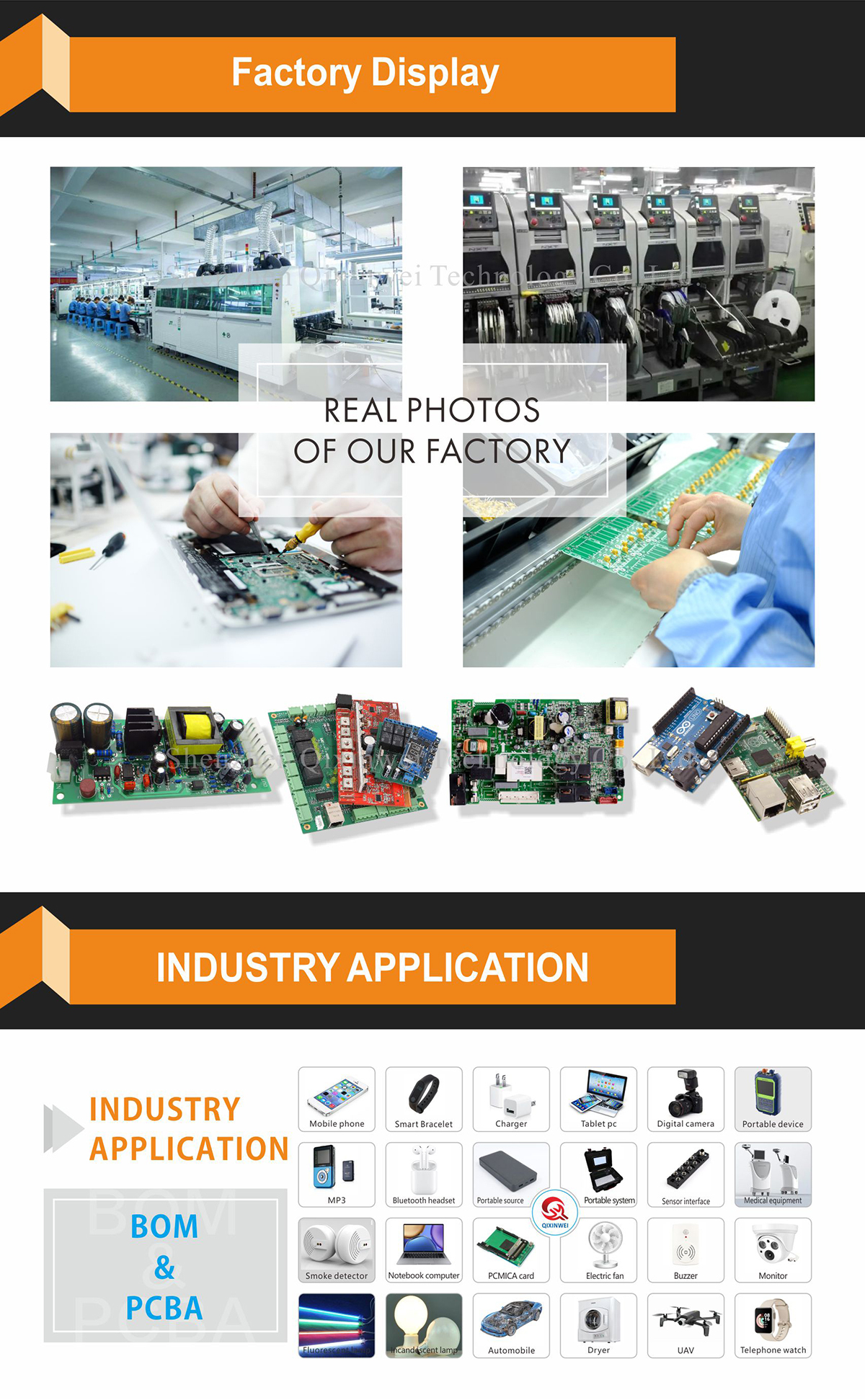
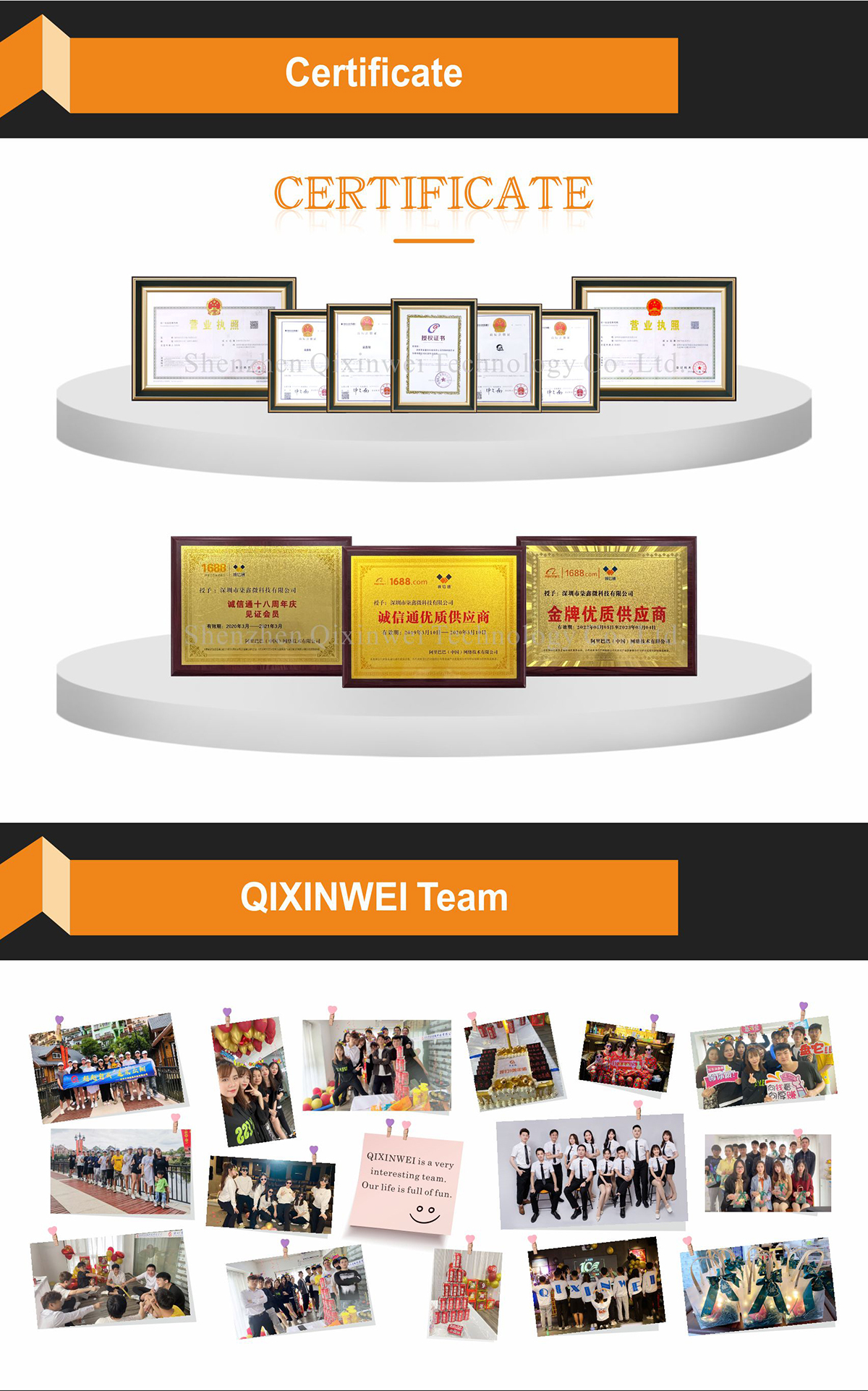
Years of experience in the electronics industry. Trusted by global customers.
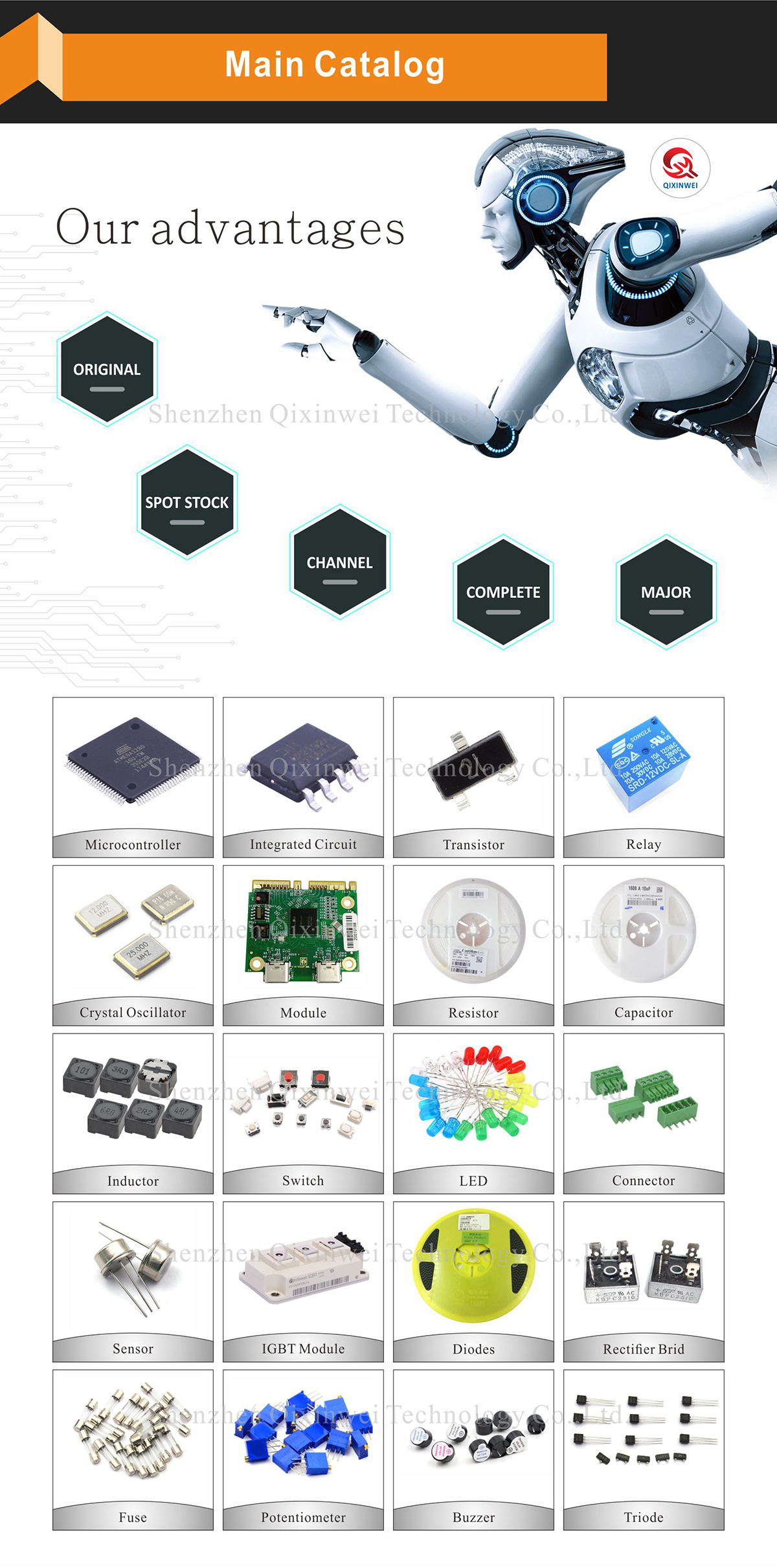
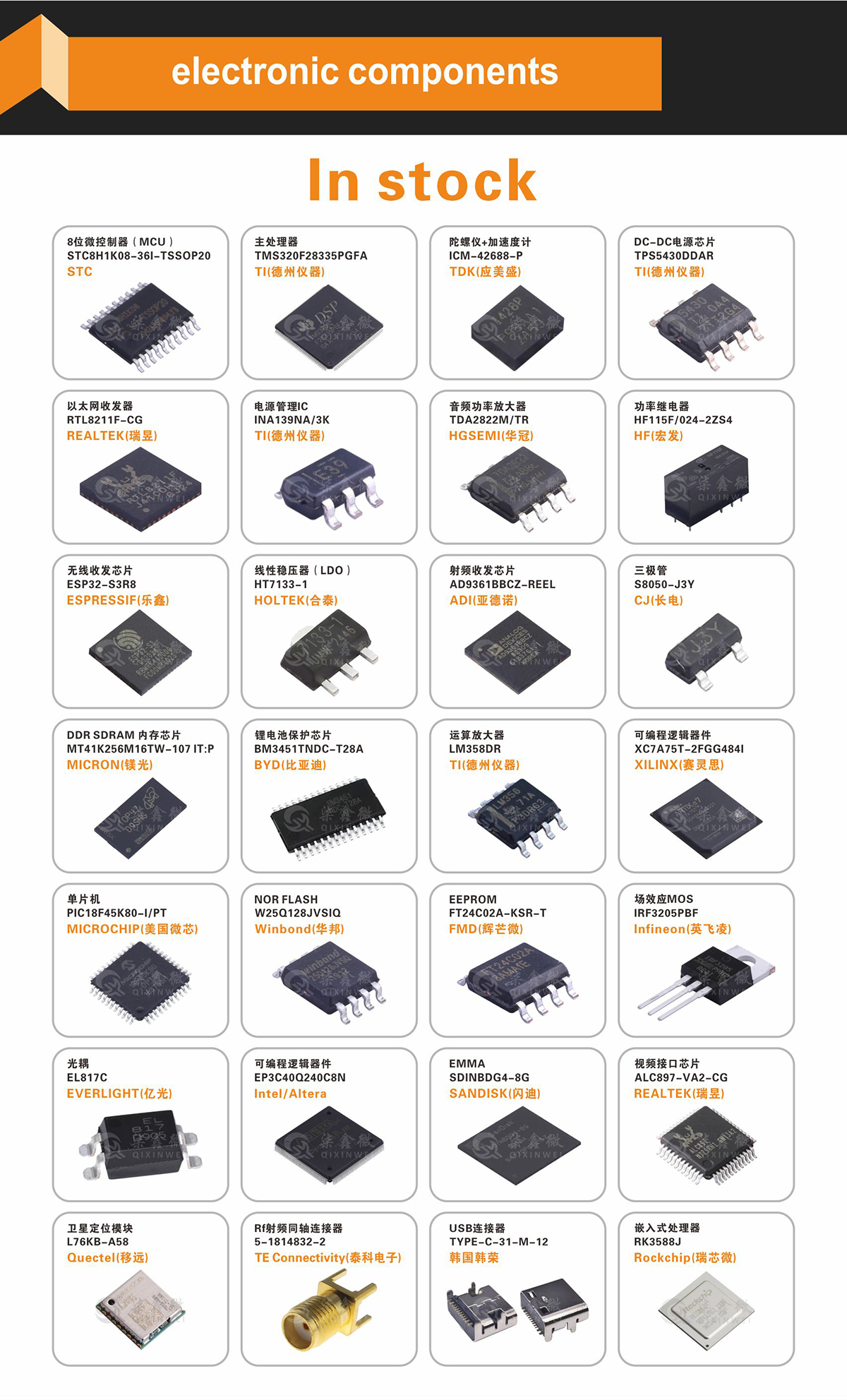
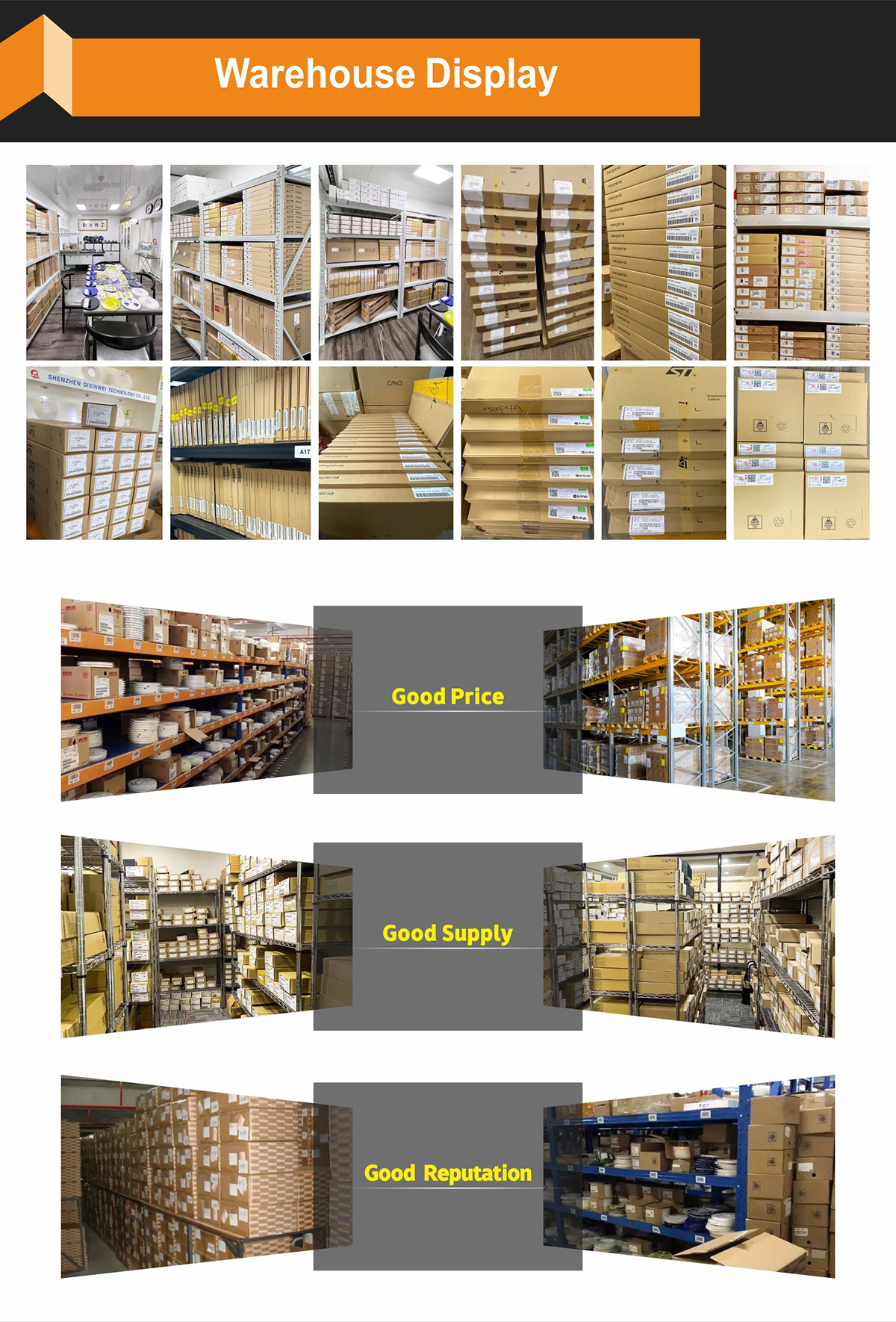
Massive In-Stock Inventory – Ready to ship promptly
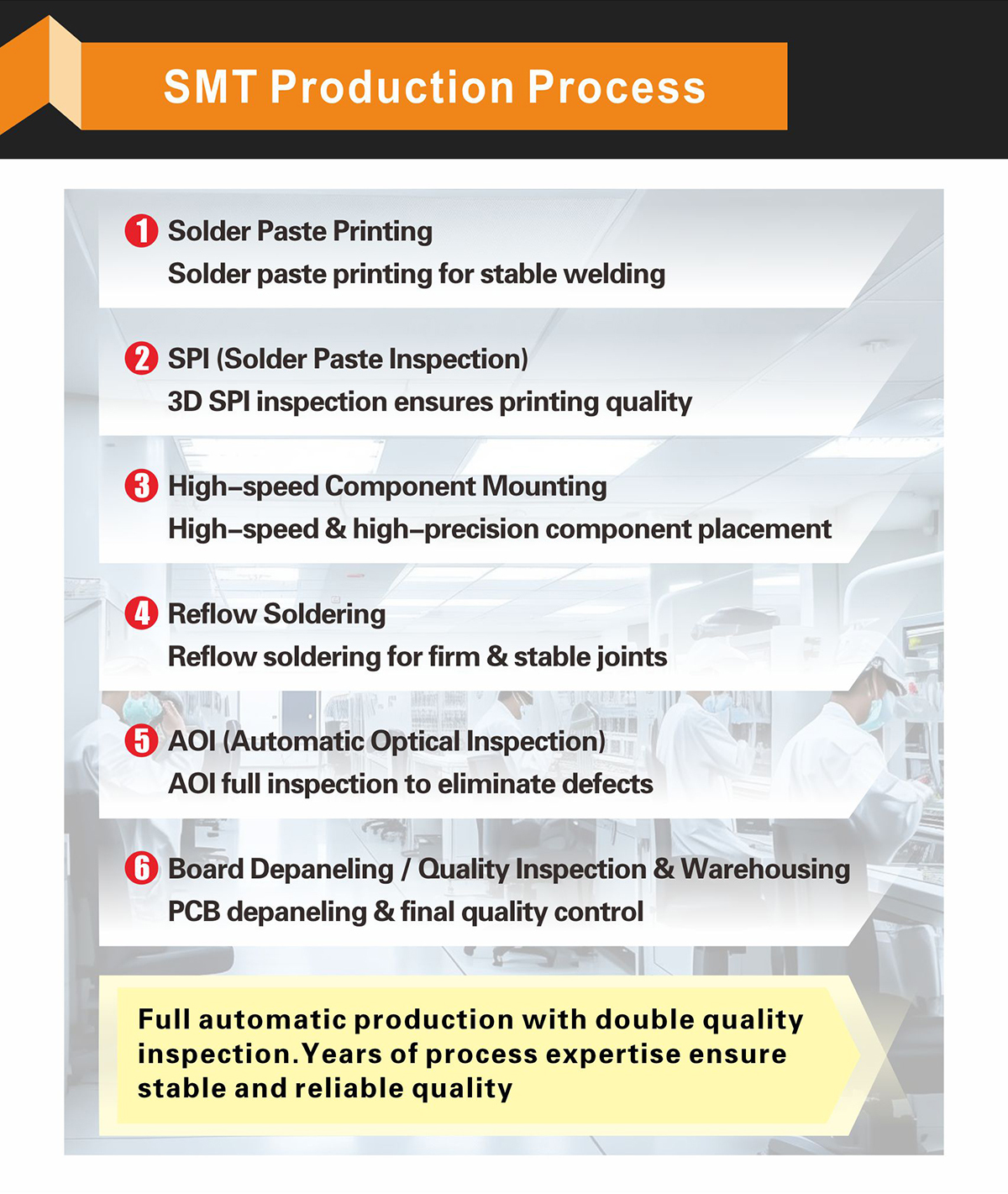
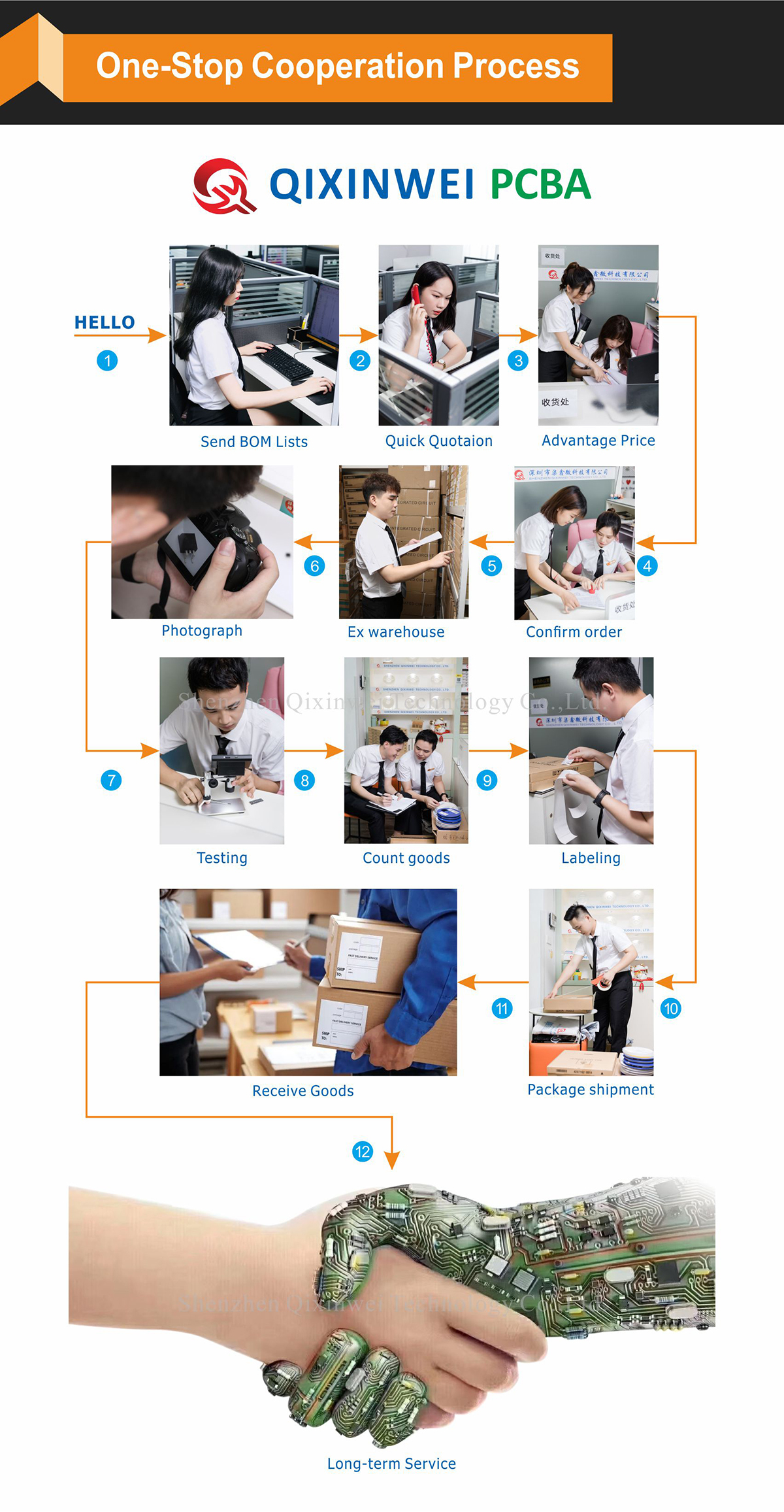
BOM Matching Service – One-stop solution, save time
PCBA Customization – Professional engineering team creates tailor-made solutions based on your needs
Cost-Effective & Efficient – Better channel, better cost
A dedicated team makes your procurement smoother.
Contact us for BOM quotes or PCBA inquiries


FAQ:
What is the Rockchip RK628F and its key specifications?
The RK628F is a highly integrated video interface bridge chip from Rockchip, optimised for cost‑effective multi‑display applications. It supports a wide range of display input and output interfaces: HDMI 1.4 (up to 4K@30Hz), eDP 1.2 (up to 2560×1600@60Hz), MIPI DSI (4‑lane, up to 2K@60Hz), and LVDS (single/dual‑link, up to 1920×1080@60Hz). The chip can perform protocol conversion between any of these interfaces, and includes a hardware scaler, color space conversion, HDCP 1.4 decryption for protected content, and an integrated audio codec with I2S/SPDIF output. It is housed in a compact QFN‑68 package. The RK628F does not support video capture (MIPI CSI output), focusing purely on display interface bridging, making it an affordable solution for digital signage, industrial HMI, and embedded multi‑screen systems.What input and output interfaces does the RK628F support, and what are the maximum resolutions?
The RK628F features HDMI 1.4 input and output up to 4K@30Hz (also supports lower resolutions and frame rates). For embedded display panels, it provides eDP 1.2 (up to 2560×1600@60Hz), MIPI DSI (4‑lane, up to approximately 1920×1200@60Hz or higher with compression), and LVDS (single‑link up to 1366×768@60Hz, dual‑link up to 1920×1080@60Hz). Audio can be input or output via I2S or SPDIF, or extracted from HDMI. This comprehensive set of interfaces allows the RK628F to connect a wide variety of consumer and industrial display sources to almost any panel technology.What types of protocol conversions can the RK628F perform?
The RK628F can convert between any combination of its display interfaces: HDMI‑to‑eDP, HDMI‑to‑MIPI DSI, HDMI‑to‑LVDS, eDP‑to‑HDMI, eDP‑to‑MIPI DSI, eDP‑to‑LVDS, and the reverse paths. It supports HDCP 1.4 decryption for legally converting protected HDMI content to other outputs. The built‑in scaler and color space converter ensure that the output timing and pixel format exactly match the target display panel. This single‑chip bridge replaces multiple discrete converters, reducing board space, BOM cost, and design complexity in multi‑display systems.Can the RK628F drive multiple displays simultaneously?
Yes. The RK628F can output to two independent displays at the same time, for example one HDMI display and one MIPI DSI or LVDS panel. Each output can have different resolutions and timings, thanks to the integrated scaler and separate display pipelines. The two displays can show cloned content (identical) or extended content (different), making the chip ideal for dual‑screen digital signage, industrial HMIs with both a main touch panel and an external monitor, and point‑of‑sale terminals.How does the RK628F differ from the RK628D and RK628H?
The RK628F is positioned between the RK628D and the higher‑end RK628H. Compared to the RK628D, the RK628F adds eDP 1.2 support and a more capable scaler. Compared to the RK628H, the RK628F lacks HDMI 2.0 (it uses HDMI 1.4, limiting 4K to 30Hz), does not support eDP 1.4, and has no MIPI CSI video capture capability. The RK628F also uses a smaller QFN‑68 package compared to the RK628H’s QFN‑88. Choose the RK628F when you need a versatile, cost‑sensitive multi‑display bridge without video capture, and where 4K@30Hz or lower resolutions are sufficient.What audio capabilities does the RK628F offer?
The RK628F includes an integrated audio codec that can extract audio from HDMI streams or accept external I2S or SPDIF audio inputs. It can output audio through I2S, SPDIF, or re‑embed it into HDMI/eDP outputs. This allows the chip to route audio to external speakers, HDMI sinks, or back into a display stream, simplifying audio‑video synchronization in digital signage players and industrial terminals.How is the RK628F controlled and configured?
The chip is controlled via a standard I2C interface (default 7‑bit address 0x38 or 0x39, depending on a pin strap). Rockchip provides a software SDK with comprehensive APIs to set input/output modes, resolutions, HDCP keys, scaling, and audio routing. The RK628F can be initialized by an external microcontroller or directly by the host SoC. Ready‑to‑use Linux and Android drivers and reference schematics are available in the Rockchip SDK, significantly reducing development time.What are the power supply requirements and typical power consumption?
The RK628F operates from multiple supply rails: 1.0 V (core), 1.8 V (MIPI/HDMI PHY), and 3.3 V (I/O and analog). Typical total power consumption is under 1.5 W, even with dual active displays. The QFN‑68 package features an exposed thermal pad for efficient heat dissipation, and no active cooling is required in normal operation. This low power consumption makes the RK628F well‑suited for embedded, fanless, and battery‑powered multi‑display applications.What is the QFN‑68 package size, and what are the PCB design advantages?
The RK628F is housed in a QFN‑68 package measuring approximately 8 mm × 8 mm with a 0.4 mm lead pitch. The compact footprint and the high level of integration (HDMI Rx/Tx, eDP, MIPI, LVDS, scaler, audio) drastically reduce board area compared to using multiple discrete bridge ICs. The exposed thermal pad ensures reliable heat dissipation. This makes the RK628F an excellent choice for space‑constrained designs such as portable monitors, compact digital signage players, and embedded industrial control panels.What are the most typical applications for the RK628F?
The RK628F is widely used in digital signage players, dual‑display industrial HMI terminals, point‑of‑sale (POS) systems, portable monitors, embedded kiosks, and multi‑screen video wall controllers. Its ability to bridge HDMI, eDP, MIPI DSI, and LVDS, combined with dual‑display support and audio handling, makes it a versatile and cost‑effective solution for any application that needs to convert or distribute video across multiple display interfaces without requiring 4K60 or video capture.
- Input Interfaces:
- HDMI 2.0 up to 4K 60fps, parallel RGB up to 1080p 60fps, 16 bit BT.1120 interface
- Output Interfaces:
- V-by-One HS up to 4K 60fps, dual LVDS up to 1080p 60fps, dual MIPI DSI up to 2560x1600 at 60fps, dual MIPI CSI up to 4K 60fps, HDMI 1.4 up to 1080p 60fps, parallel RGB, BT.1120 total 7 output types
- Video Scaling:
- Built in scaler supports 1/4 to 6x scaling with up to 4K 60fps input output resolution
- Standalone Capability:
- Built in MCU enables operation without external host processor
- Audio Support:
- 8 channel I2S audio interface with HDMI audio pass through
- Data Transfer Rate:
- Up to 6Gbps data transfer rate
- Control Interface:
- I2C control interface and GPIO expansion pins
- Supply Voltage:
- Triple voltage rails 1.71V to 1.89V, 3.135V to 3.465V, 0.99V to 1.21V
- Package Specification:
- BGA-144L 8 by 8 millimeters tape and reel packaging
- Companion Processors:
- Designed for Rockchip processors RK3288 RK3399 RK3588 display interface expansion