qixinwei-pcba


Rockchip PX30 Industrial Quad Core Processor for IoT Automotive and HMI
PX30 is Rockchip high performance quad core application processor featuring 64 bit Cortex A35 architecture up to 1.5GHz with Mali G31 GPU. Built on 28nm FD SOI ultra low power process with industrial grade -20°C to 85°C operation. Supports 1080P H.264 H.265 video codec, dual independent displays, up to 4GB DDR memory. Ideal for IoT, automotive HMI, industrial control, smart home and commercial display.
CPU and GPU: Quad core ARM Cortex A35 up to 1.5GHz with Mali G31 MP2 supporting OpenGL ES 3.2
Video Capability: H.264 H.265 encode decode at 1080P 60 frames per second
Display Output: RGB LVDS MIPI DSI with dual VOP supporting independent dual displays
Memory and Storage: DDR3 DDR4 LPDDR up to 4GB total, eMMC 5.1 flash
Peripheral Interfaces: 6x UART, 4x I2C, 2x SPI, 8x PWM, USB 2.0 Host and OTG, 10M 100M Ethernet MAC
Temperature Range: Industrial grade minus 20 degrees Celsius to 85 degrees Celsius
Package Type: TFBGA395 castellated module 55 by 55 millimeters
Operating System: Android 7.1 to 10.0, Debian, Linux QT
IoT Devices: Smart home control panels, voice remotes, sensor gateways
Automotive: Car central consoles, infotainment systems, dashboard displays
Industrial HMI: Human machine interfaces, PLC terminals, industrial automation equipment
Commercial Display: Advertising machines, digital signage, electronic shelf labels, POS systems
Security: Video surveillance equipment, access control systems, attendance terminals
Retail: POS cash register systems, self service kiosks, queue management systems
Cost Effective: 20 to 30 percent lower cost than competing processors
Ultra Low Power: 10 milliwatt standby power with 28nm FD SOI process
High Integration: Built in power management unit and 10M 100M Ethernet PHY
Industrial Reliable: Minus 20 degrees to 85 degrees Celsius operation for 24 by 7 continuous use
Rich I O: Multiple UART SPI I2C PWM for diverse peripheral requirements
Dual Display: Independent dual screen output perfect for HMI human machine interaction scenarios
Long Supply: 10 year product availability for industrial mass production
Mature Ecosystem: Official Rockchip technical support with abundant documentation and tools
K628D is Rockchip high performance 24-in-1 video bridge chip supporting HDMI, RGB and BT.1120 inputs, outputs include HDMI, GVI, MIPI CSI, dual LVDS, dual MIPI DSI, RGB and BT.1120. Supports up to 4K 60fps input output conversion with 1/4 to 4x scaling and dual channel simultaneous output at same resolution. Built in MCU enables standalone operation simplifying hardware design. Ideal for multi screen commercial display, smart projector, video capture card, docking station and wireless display
PX30 Core Features
Input Interfaces: HDMI 1.4/2.0 RX up to 4K60fps, parallel RGB up to 1080p60, 16 bit BT.1120 interface
Output Interfaces: HDMI TX, GVI, MIPI CSI, dual MIPI DSI, dual LVDS, parallel RGB and BT.1120 total 9 output types
Video Processing: Supports 1/4 to 4x scaling, color space conversion between RGB and YUV, up to 6x upscaling
Dual Channel Output: Supports simultaneous dual output at same resolution for multi display applications
Cascade Support: Multiple RK628D cascade for expanded video pathways
Built in MCU: Standalone operation without host processor simplifies system design
Temperature Range: Industrial grade minus 40 degrees Celsius to 125 degrees Celsius
Package Type: WBBGA-144 8 by 8 millimeters with 0.65 millimeter ball pitch
Audio Support: HDMI RX I2S interface up to 48kHz sampling rate supporting 8 channels
PX30 Applications
Multi Screen Commercial Display: HDMI input to MIPI or LVDS output for dual screen extended display
4K Large Screen Display: HDMI 4K input to GVI output for TV GVI screens and commercial bar displays
Smart Micro Projector: HDMI input to MIPI CSI output as video input source for main processor
Video Capture Card: HDMI input to MIPI CSI output for drone video transmission and live streaming capture
Wireless Display Dongle: Add display interface expansion via RK628D bridge
Docking Station: Single chip for multiple video interface conversion simplifying docking station design
Interactive Whiteboard: Supports various display interface conversion for large screen interactive applications
Smart Display: HDMI input to MIPI CSI providing video input for main processor
PX30 Key Advantages
24 in 1 Interface Combination: One chip replaces multiple dedicated bridge chips covering 24 conversion scenarios
4K Ultra HD Support: Up to 4K 60fps input output for high resolution large screen products
Standalone Operation: Built in MCU eliminates need for external host processor reducing cost and complexity
Software Compatibility: Based on DRM and FB display framework for easy replacement and mature ecosystem
Industrial Wide Temperature: Minus 40 to 125 degrees Celsius for industrial and outdoor applications
High Data Rate: Supports up to 3.75Gbps for high definition video transmission
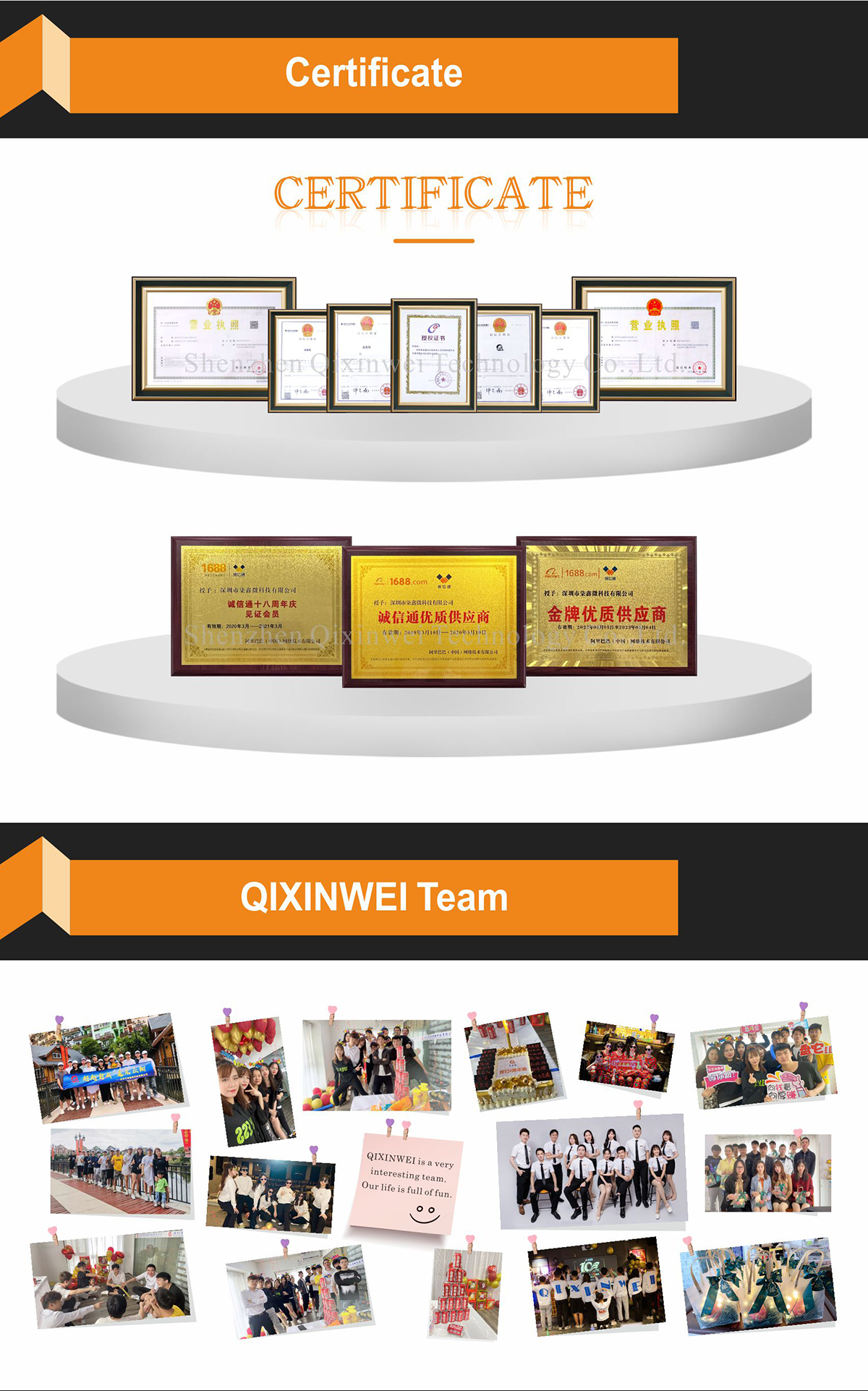
Why Choose QIXINWEI
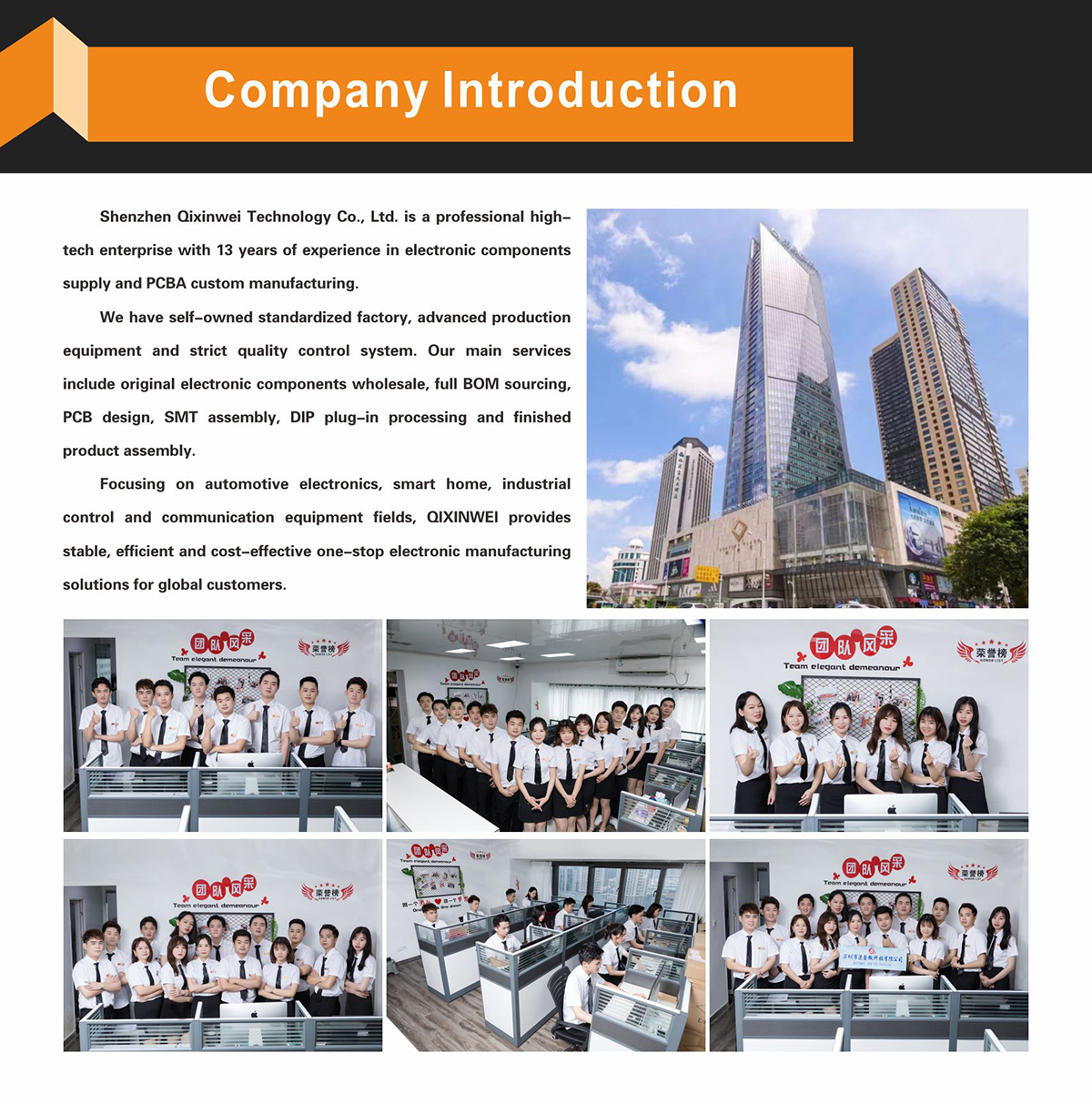
Years of experience in the electronics industry. Trusted by global customers.
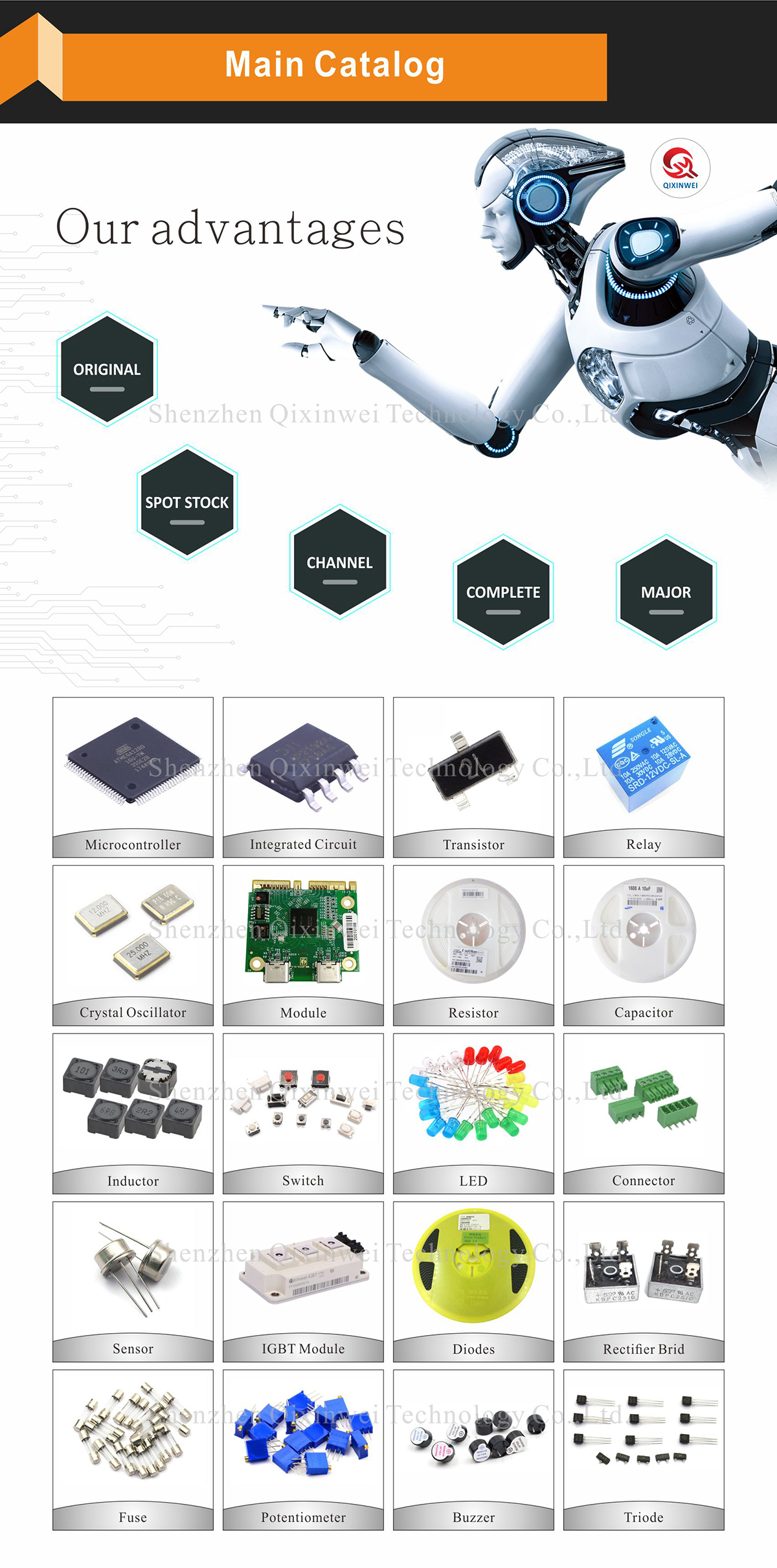
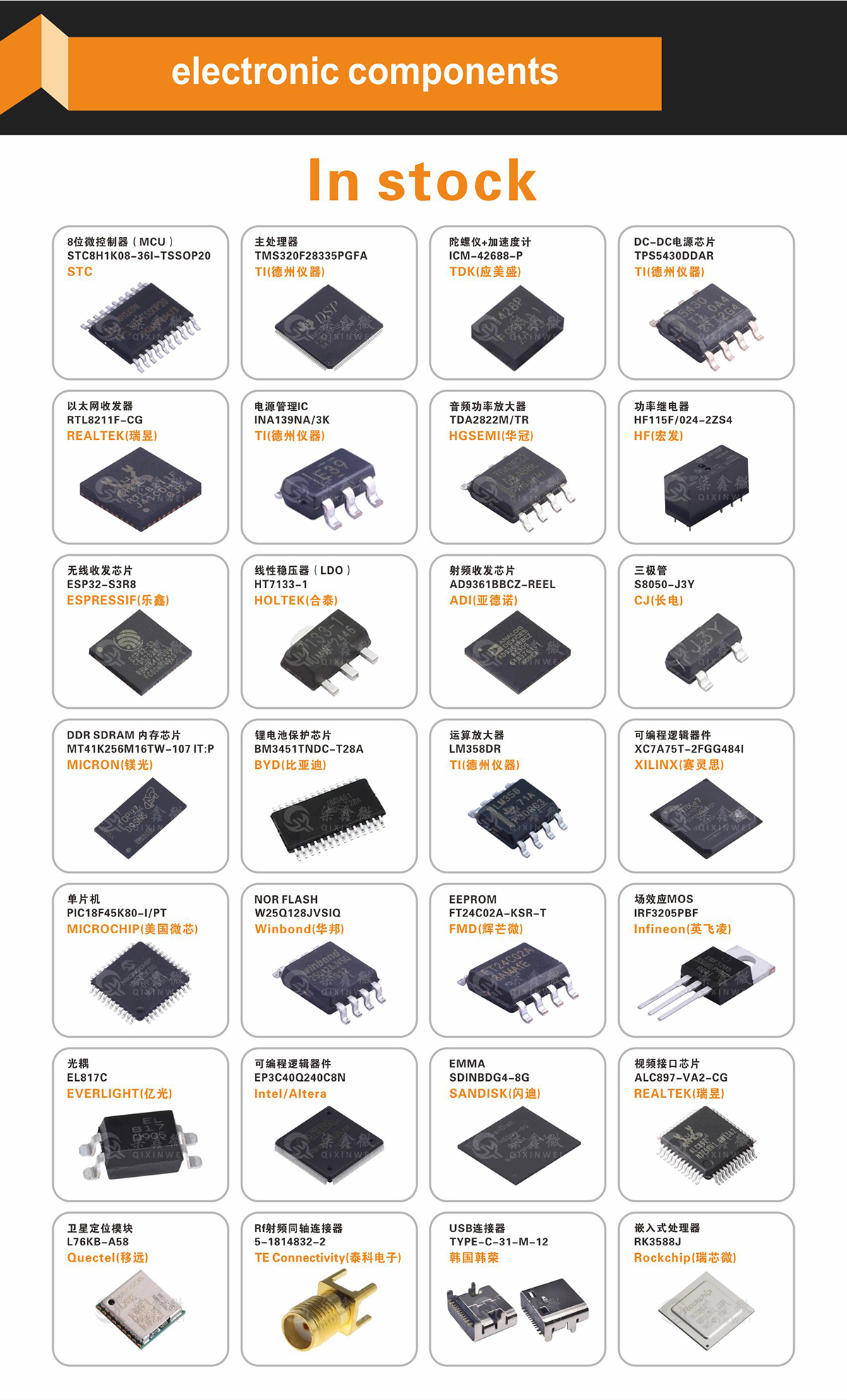
Massive In-Stock Inventory – Ready to ship promptly
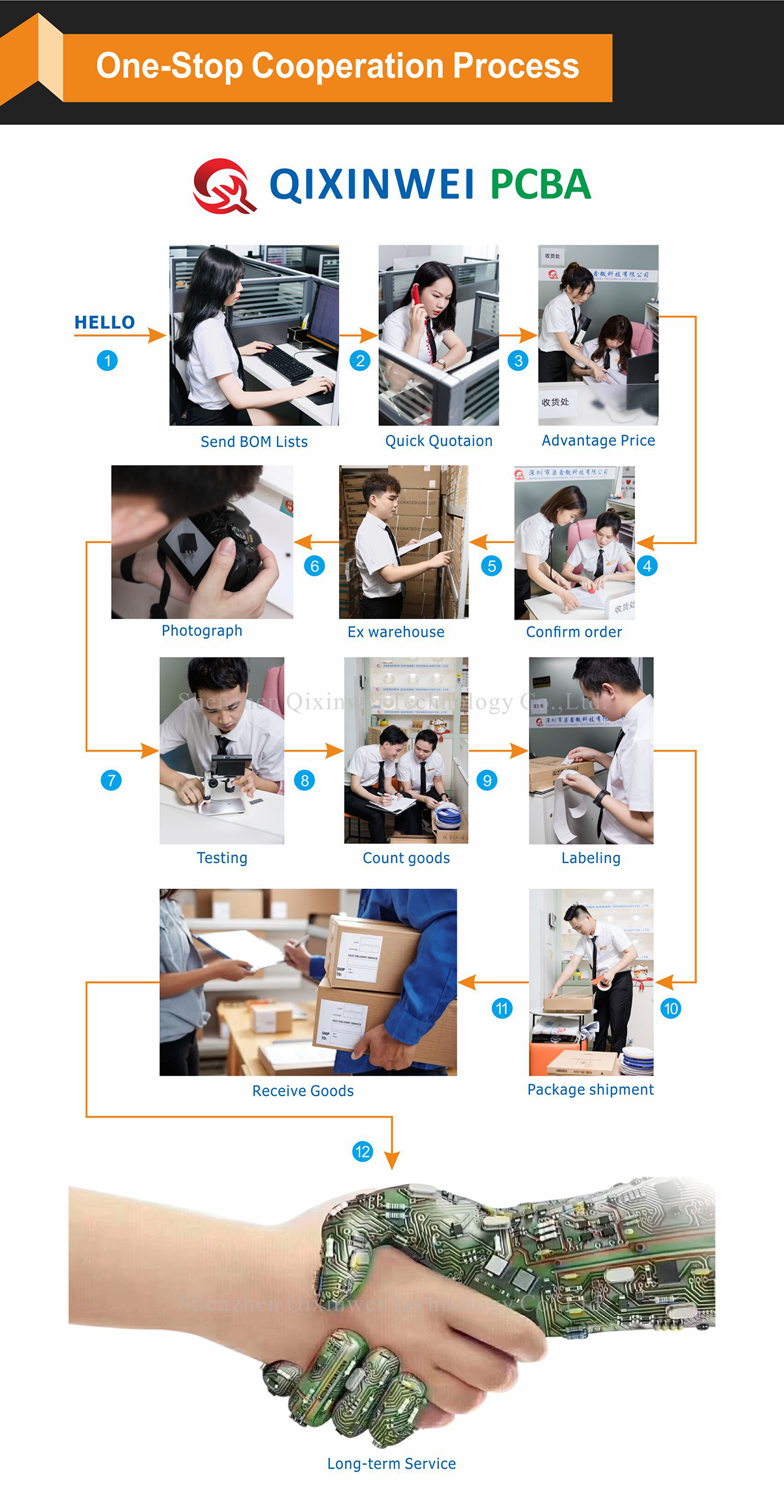
BOM Matching Service – One-stop solution, save time
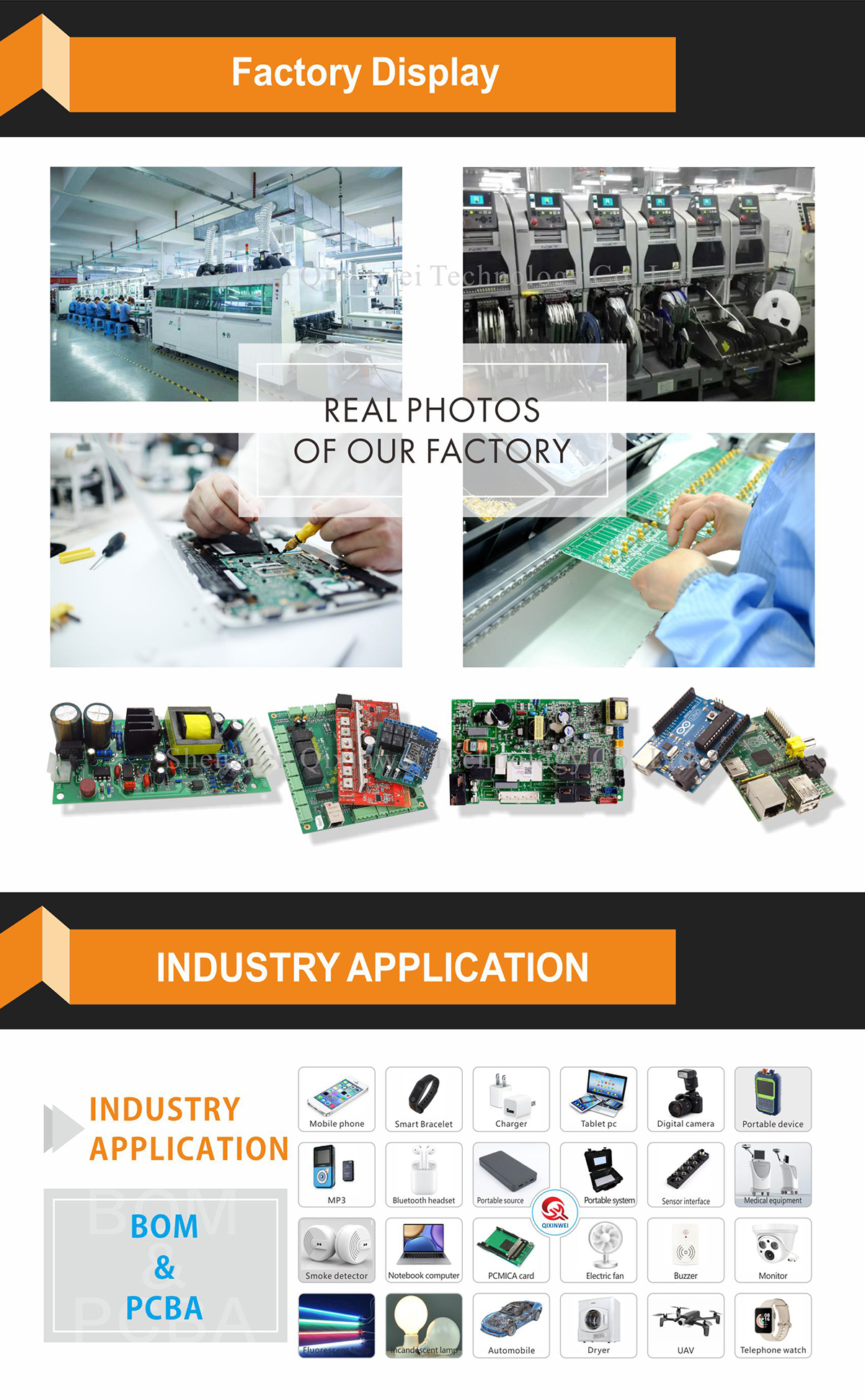
PCBA Customization – Professional engineering team creates tailor-made solutions based on your needs
Cost-Effective & Efficient – Better channel, better cost
A dedicated team makes your procurement smoother.
Contact us for BOM quotes or PCBA inquiries



FAQ:
What is the Rockchip PX30 and its key specifications?
The Rockchip PX30 is a low‑power, cost‑effective quad‑core application processor designed for IoT, automotive, and HMI applications. It integrates four ARM Cortex‑A35 cores running at up to 1.5 GHz, an ARM Mali‑G31 MP2 GPU supporting OpenGL ES 3.2, Vulkan 1.1, and OpenCL 2.0, and a 1080p video decoder (H.264/H.265). The chip includes a rich set of peripherals: MIPI‑DSI and LVDS display outputs, MIPI‑CSI camera input, 10/100 M Ethernet MAC, USB 2.0 OTG, SD/MMC, multiple UART, SPI, I2C buses, and an integrated audio codec. It is fabricated on a mature 28 nm process and supports DDR3/DDR3L/DDR4/LPDDR3/LPDDR4 external memory. The PX30 runs Linux and Android, and is widely used in smart displays, industrial control panels, and automotive instrument clusters.How does the PX30 compare to the Rockchip RK3399 or RK3326?
The PX30 is the most cost‑ and power‑optimised member of the Rockchip lineup for entry‑level HMI. The RK3399 is a high‑performance hexa‑core (dual Cortex‑A72 + quad Cortex‑A53) with a more powerful GPU, dual 4K display output, and PCIe, targeted at premium tablets and AI edge devices. The RK3326 is a quad‑core Cortex‑A35 similar to the PX30 but without the dedicated LVDS output and often without the automotive temperature rating. The PX30 stands out with its industrial temperature range (‑40 °C to +85 °C on selected variants), LVDS + MIPI‑DSI dual display, and automotive qualification, making it the preferred choice for instrument clusters, industrial HMIs, and smart home panels where reliability, low power, and moderate processing power are key.What operating systems does the PX30 support?
The PX30 supports Linux (via the Rockchip Linux SDK, based on Buildroot or Yocto) and Android (typically Android 11/12 Go Edition or AOSP). Rockchip provides a fully‑featured SDK with U‑Boot, the Linux kernel (including drivers for GPU, VPU, display, camera, and all peripherals), and a root filesystem. Third‑party community projects such as Armbian and LibreELEC also offer excellent support. For real‑time or bare‑metal applications, a lightweight RTOS can run on the Cortex‑A35 cores.What display and multimedia capabilities does the PX30 offer?
The PX30 features a 1080p H.265/H.264 video decoder (up to 60 fps) and a H.264 video encoder. The integrated ARM Mali‑G31 MP2 GPU handles modern graphics APIs and supports smooth user interfaces. For display output, the chip provides MIPI‑DSI (4‑lane) and LVDS (single/dual‑link) interfaces, capable of driving displays up to 1920×1080@60 Hz. It can drive dual independent displays simultaneously, making it perfect for HMI panels with both a built‑in screen and an external monitor. The built‑in audio codec (I2S/PCM) handles microphone input and stereo speaker output.What interfaces and connectivity options does the PX30 provide?
The PX30 integrates a wide range of interfaces: 10/100 M Ethernet MAC (RMII), USB 2.0 OTG and USB 2.0 Host, SD/MMC, eMMC, multiple UART, SPI, I2C buses, PWM, GPIOs, and an I2S/PCM audio interface. Camera input is supported via a MIPI‑CSI (4‑lane) and DVP (parallel) interface, capable of handling sensors up to 8 megapixels. A built‑in RTC with battery backup is included. The wide peripheral set reduces the need for external chips, saving BOM cost and PCB space.How much memory does the PX30 support, and what types?
The PX30 supports external DDR3, DDR3L, DDR4, LPDDR3, and LPDDR4 memory, with a maximum capacity of 4 GB (depending on the specific memory type and board design). The memory bus is 32‑bit wide. The chip does not include on‑package DRAM, so external SDRAM chips must be used. For persistent storage, it supports eMMC, SD/MMC cards, and SPI NOR/NAND Flash for booting.What is the power consumption and what supply voltages are required?
The PX30 is built on a 28 nm LP (low‑power) process, delivering excellent performance‑per‑watt. Typical total system power consumption under a normal Linux load with display active is under 3 W, often as low as 2 W in idle‑display‑on scenarios. The chip requires a 1.0 V core supply, 1.8 V for MIPI/HDMI PHY, and 3.3 V for I/O and analog blocks. This low power makes it ideal for battery‑operated and fanless sealed‑enclosure designs.Is the PX30 suitable for automotive and industrial applications?
Yes. Rockchip offers industrial‑grade PX30 variants with an operating temperature range of ‑40 °C to +85 °C. These variants are designed for automotive instrument clusters, in‑vehicle infotainment, smart home hubs, outdoor digital signage, and factory‑floor HMIs. The chip features automotive‑grade testing, enhanced reliability, and long‑term supply commitment. Combined with the low power and wide peripheral set, the PX30 is a robust choice for embedded systems that must operate reliably in harsh environments.How do I program and debug the PX30? What development tools are available?
Rockchip provides a comprehensive Linux SDK (based on Buildroot) and an Android SDK. The SDK includes a cross‑compilation toolchain, U‑Boot, the Linux kernel (with all necessary drivers), and a root filesystem. Debugging is typically done via a UART serial console. Firmware can be loaded over USB using the Rockchip FEL (boot ROM) mode, or by flashing an SD card/eMMC. A USB‑to‑UART adapter and an SD card are the only essential hardware tools to start development. Rockchip provides extensive documentation, reference schematics, and reference designs for the PX30, dramatically simplifying the hardware and software integration process.What are the most typical applications for the Rockchip PX30?
Thanks to its low power, quad‑core performance, dual‑display capability, and industrial temperature option, the PX30 is widely used in automotive digital instrument clusters, industrial HMI touch panels, smart home control hubs, point‑of‑sale (POS) terminals, portable medical diagnostic devices, voice‑assistant smart speakers, and IoT edge gateways. It excels wherever a reliable, low‑cost, and easy‑to‑design Linux/Android platform is required to drive a small display and handle moderate processing tasks.
- Product Type:
- Application processor System on Chip
- Core Architecture:
- Quad core 64 bit ARM Cortex A35 up to 1.5GHz with Mali G31 MP2 GPU
- Key Features:
- 1080P H.264 H.265 video codec Dual independent display 28nm FD SOI ultra low power
- Target Applications:
- IoT devices Automotive HMI Industrial control Commercial display Smart home Security system
- Operating Temperature:
- Industrial grade minus 20 to 85 degrees Celsius Commercial grade 0 to 80 degrees Celsius
- Memory Support:
- DDR3 DDR3L DDR4 LPDDR2 LPDDR3 up to 4GB capacity
- Peripheral Interfaces:
- 6x UART 4x I2C 2x SPI 8x PWM USB 2.0 Host and OTG 10M 100M Ethernet MAC SDIO 3.0
- Display Interfaces:
- RGB LVDS MIPI DSI with dual VOP for independent dual screen display Package Type:TFBGA395 castellated module 55 by 55 millimeters
- Software Support:
- Android 7.1 to 10.0 Debian Linux QT Official BSP package and SDK development kit
- Package Type:
- TFBGA395 castellated module 55 by 55 millimeters