qixinwei-pcba


R329-N4 Allwinner AI Voice Processor Dual A53@1.5GHz 0.25T NPU 256MB LFBGA-228
R329-N4 Product Overview
The R329-N4 is Allwinner‘s flagship SoC for high-end smart voice and on‑device AI applications, packaged in LFBGA-228 (12×12mm). Featuring a “dual‑core A53 + dual‑core HiFi4 + AIPU” triple‑core heterogeneous architecture with integrated 256MB DDR3 memory, it delivers far‑field voice interaction, superior noise reduction, and local AI inference. The R329-N4 is widely adopted in products such as the Tmall Genie Sound Pro, serving as the core SoC for premium smart speakers from leading global brands.
R329-N4 Core Features
Dual‑Core Cortex-A53 CPU: Dual‑core ARM Cortex-A53 @ 1.5GHz, 64‑bit architecture, balancing performance and power consumption
Dual‑Core HiFi4 DSP: 400MHz dual‑core HiFi4 DSP with 2MB SRAM, dedicated to audio codecs and voice signal processing for far‑field pickup and high‑fidelity sound
Integrated 256MB DDR3 Memory: 256MB DDR3 integrated (N4 version), eliminating external memory chips and simplifying PCB design while reducing BOM cost
High‑Performance Audio Subsystem: 5 ADC channels, 2 DAC channels, supporting I2S/PCM, DMIC, OWA digital audio interfaces, and up to 192kHz sampling rate for Hi‑Fi grade audio
Rich Display & Communication Interfaces: SPI LCD interface, 15 PWM channels, dual USB 2.0, GMAC Gigabit Ethernet MAC, and multiple UART/SPI/I²C for peripheral expansion
Compact LFBGA Package: LFBGA-228 (12×12mm, 0.5mm ball pitch) for space‑constrained portable audio and smart terminal designs
Industrial Grade Reliability: -25℃ to +85℃ operating temperature range, suitable for automotive and industrial IoT environments
Dual‑OS Ecosystem: Supports Allwinner Tina Linux and mainstream Linux distributions, with complete BSP and SDK provided
R329-N4 Applications
High‑End Smart Speakers / Smart Speakers with Displays: Tmall Genie Sound Pro and other flagship smart speakers, supporting far‑field wake‑up, noise suppression, and on‑device voice commands
Smart Home Hubs / Voice Gateways: 86‑box panels, home control centers – local voice interaction and AI processing
Automotive Voice Devices / In‑Vehicle Infotainment: Automotive voice assistants, in‑car audio systems – wide voltage and temperature tolerance for automotive environments
Wearables / Portable Audio Devices: Smartwatches, Bluetooth speakers, MP3 players – low power and compact package extend battery life
Industrial Voice Nodes / Industrial HMI: Voice‑enabled industrial terminals, data acquisition devices – wide temperature range for industrial sites
AIoT Edge Computing Gateways: Edge AI voice nodes, smart gateways – AIPU provides on‑device AI inference, reducing cloud dependency and latency
R329-N4 Key Advantages
Allwinner AI Voice Flagship SoC: R329‑N4 is Allwinner‘s flagship processor for the high‑end smart voice market, leveraging a triple‑core heterogeneous architecture (dual‑core A53 + dual‑core HiFi4 + AIPU). Mass‑production validated in products like Tmall Genie Sound Pro, it is a mature, proven AI voice solution
On‑Device AIPU for Local AI Acceleration: Integrated 0.25TOPS NPU significantly improves AI voice recognition efficiency compared to traditional CPU‑based solutions, supporting on‑device wake‑up and command recognition with faster response and lower power consumption
Dual‑Core HiFi4 DSP + 2MB SRAM: Dual‑core HiFi4 DSP at 400MHz with 2MB SRAM provides dedicated processing power for far‑field pickup, noise reduction, and sound enhancement – delivering Hi‑Fi grade audio
Integrated 256MB DDR3, Simplified Hardware Design: On‑chip 256MB DDR3 eliminates external memory chips, significantly simplifying PCB design and lowering BOM cost
192kHz High Sample Rate + 5×ADC / 2×DAC: 5 ADC channels support multi‑microphone arrays, 2 DAC channels output Hi‑Fi quality audio – up to 192kHz sampling rate meets premium audio requirements
GMAC Gigabit Ethernet + Dual USB 2.0: Integrated Gigabit Ethernet MAC and dual USB 2.0 ports provide ample data bandwidth and peripheral expansion for smart speakers and IoT gateways
Compact LFBGA Package + Industrial Wide Temperature: 12×12mm LFBGA-228 package suits compact product designs; -25℃ to +85℃ wide temperature range covers industrial IoT and automotive harsh environments
Mature Tina Linux + Mainstream Ecosystem: Allwinner provides a complete Tina Linux BSP, with community support for mainstream Linux kernels and third‑party OS – efficient product development and shorter time‑to‑market
Why Choose QIXINWEI
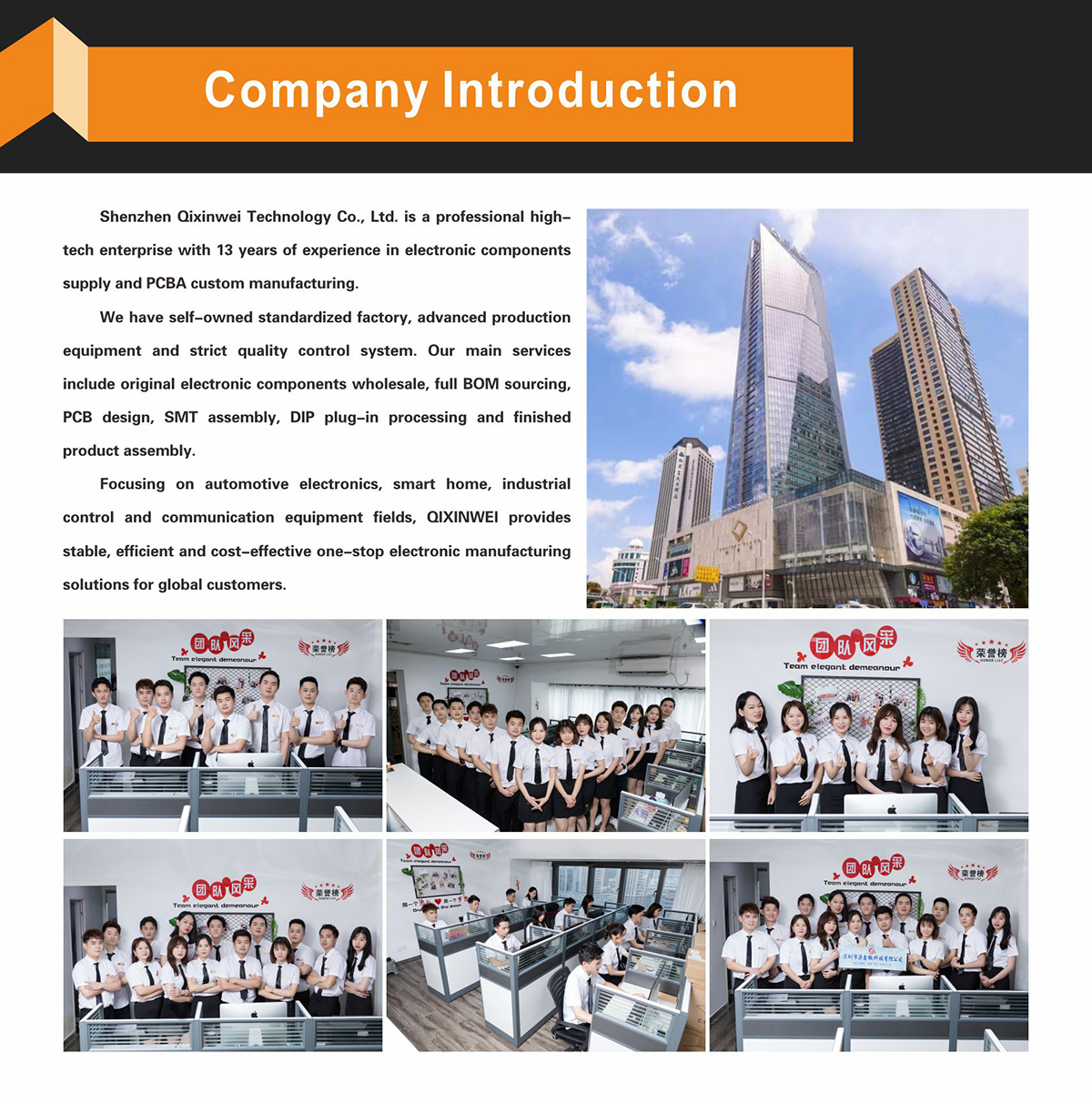
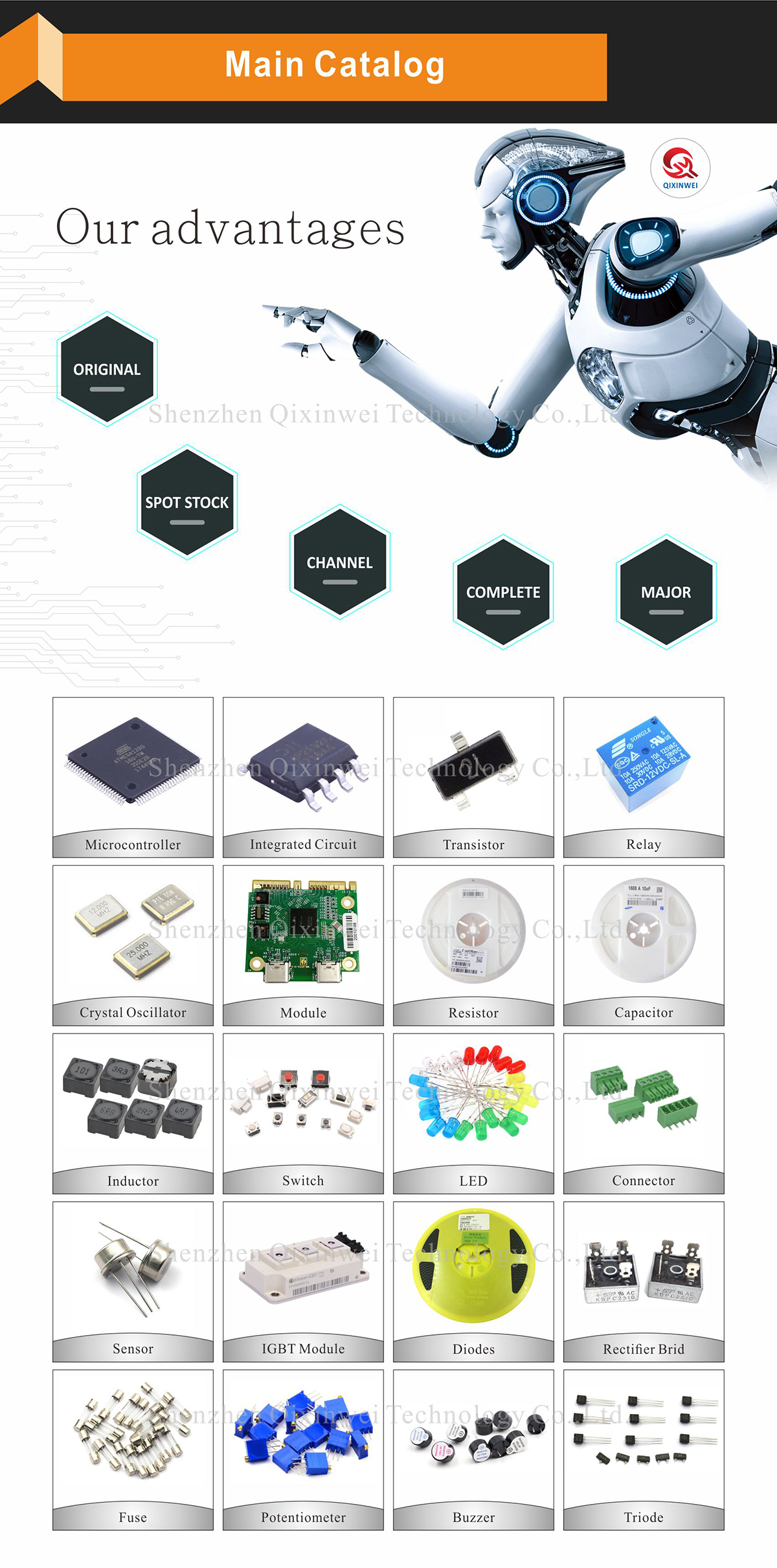
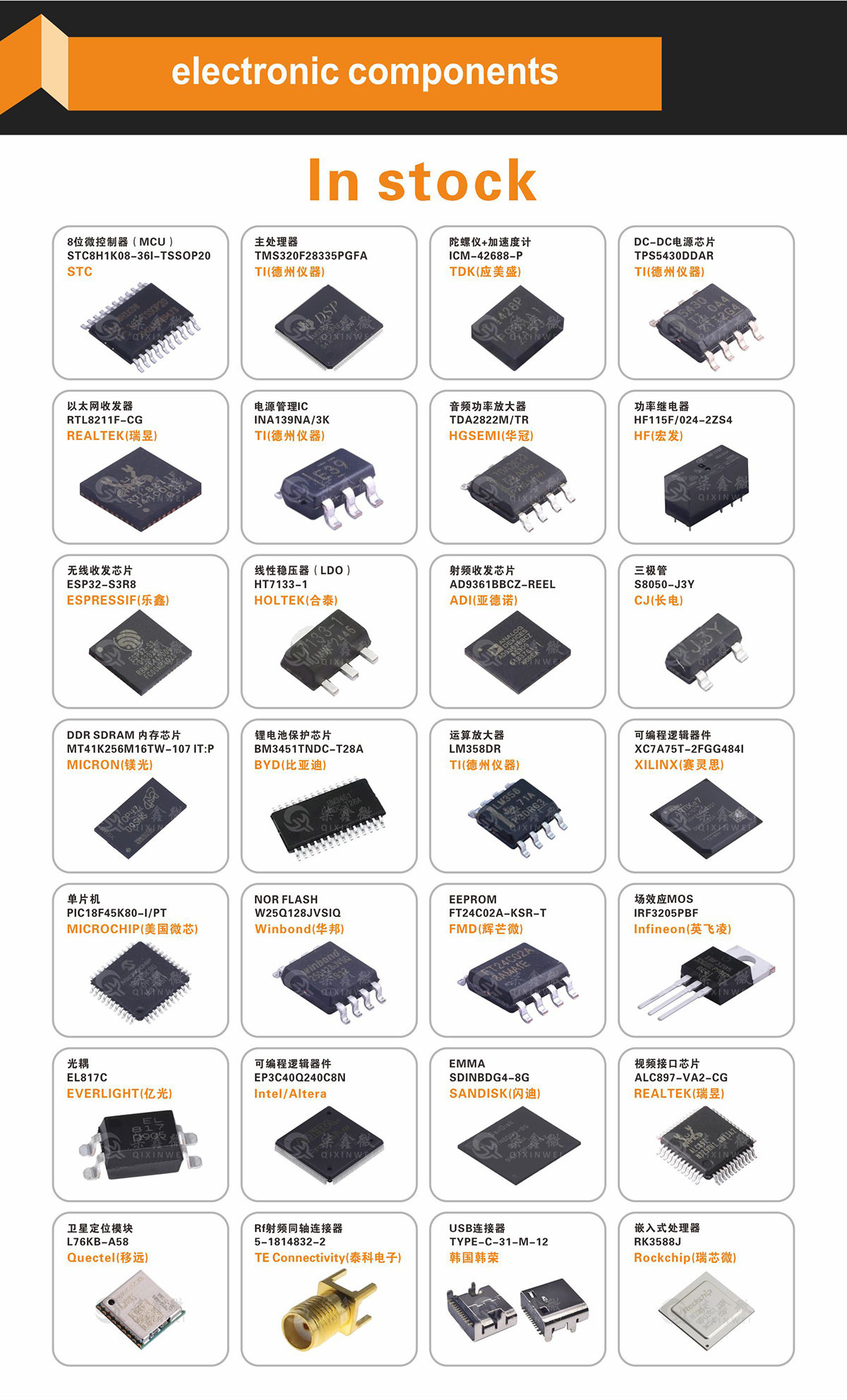
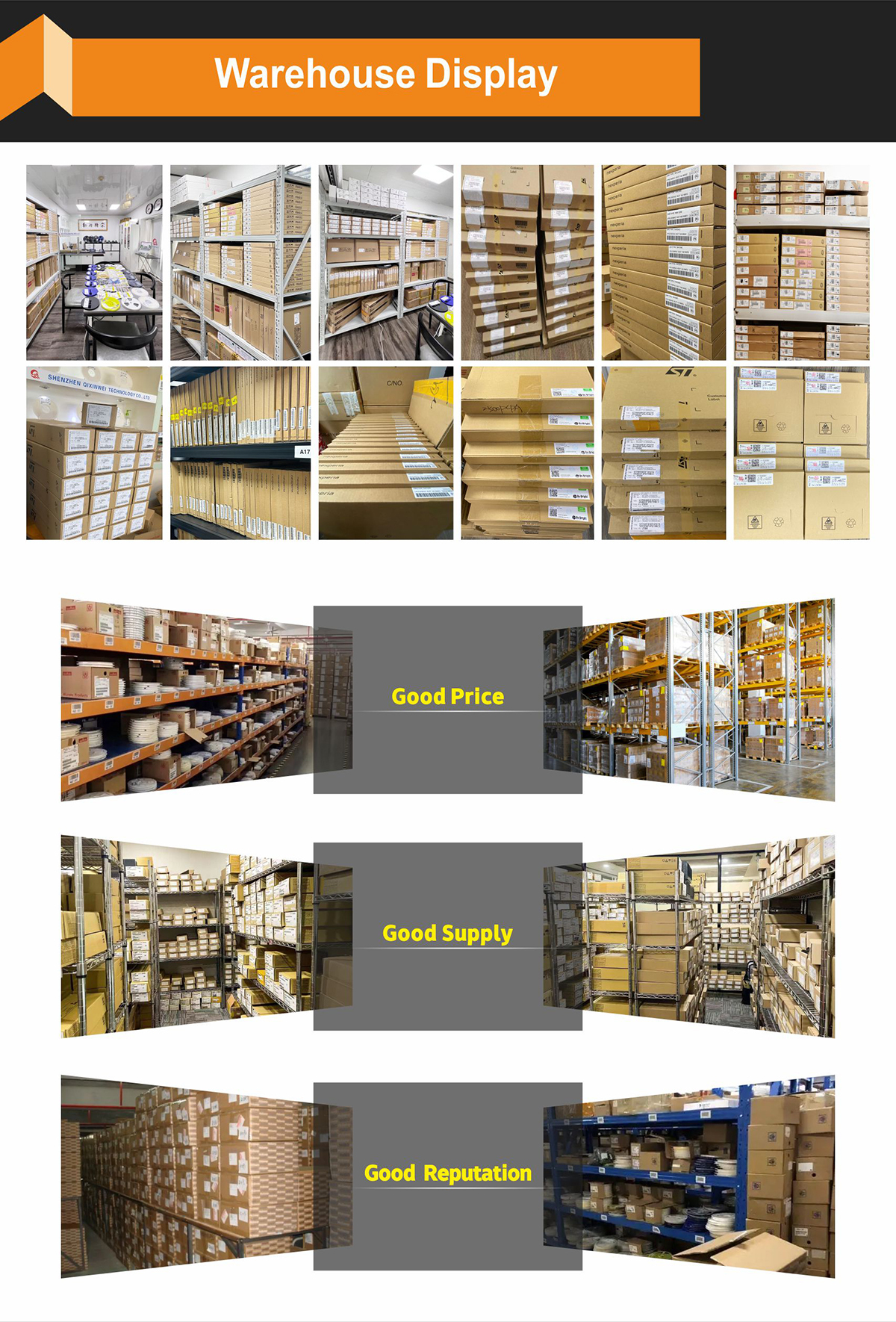
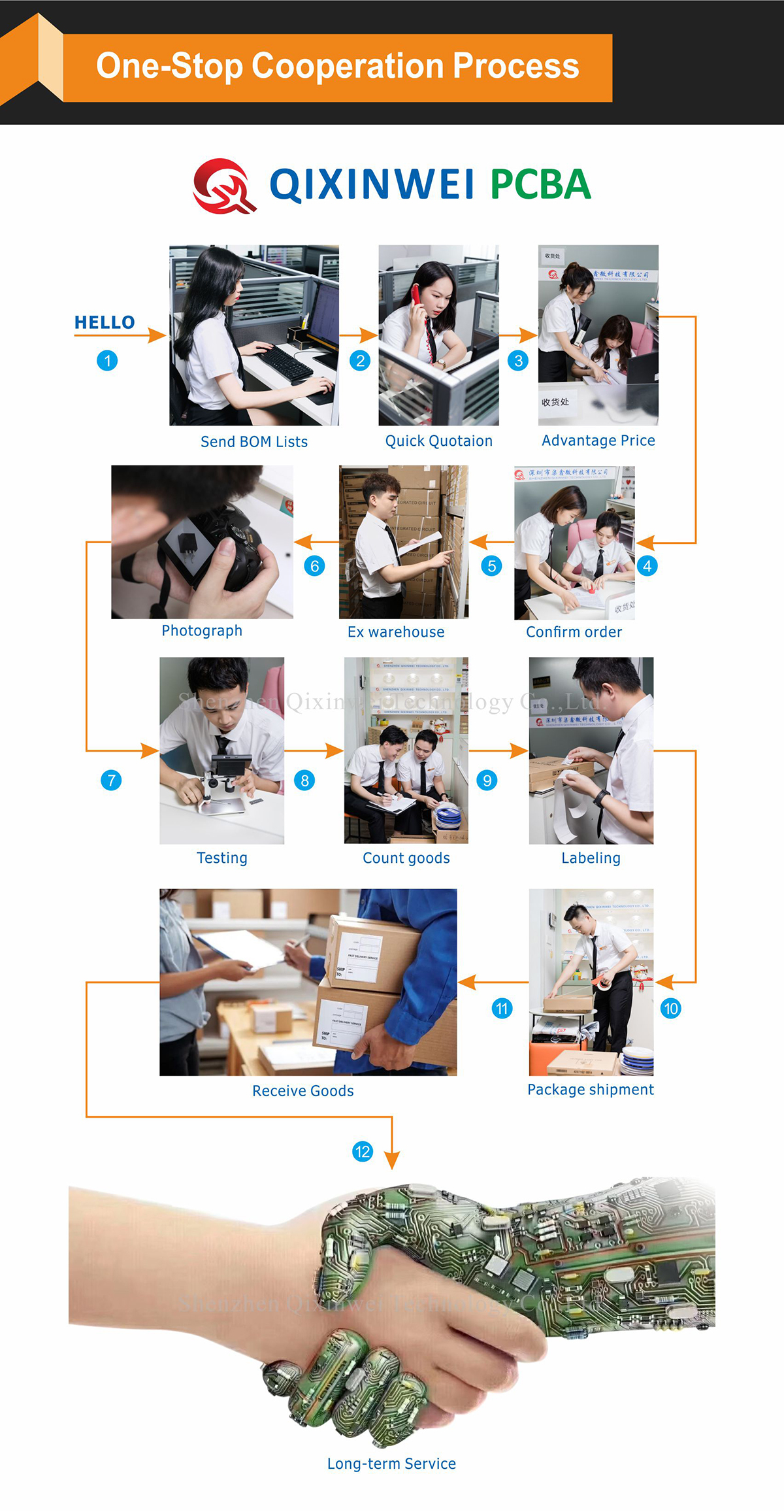
Years of experience in the electronics industry. Trusted by global customers. Massive In-Stock Inventory – Ready to ship promptly. BOM Matching Service – One-stop solution, save time. PCBA Customization – Professional engineering team creates tailor-made solutions based on your needs. Cost-Effective & Efficient – Better channel, better cost. A dedicated team makes your procurement smoother. Contact us for BOM quotes or PCBA inquiries.

FAQ:
What is the Allwinner R329‑N4 and what are its core specifications?
The R329‑N4 is a dedicated AI voice processor built around a dual‑core Arm Cortex‑A53 CPU running at up to 1.5 GHz, a 0.25 TOPS Neural Processing Unit (NPU), and 256 MB of on‑chip LPDDR3 memory. It integrates a HiFi3 DSP for audio front‑end processing, multiple microphone interfaces, and a rich set of peripheral connections, all in an LFBGA‑228 package. It is purpose‑built for voice‑assistant devices, smart speakers, and far‑field voice‑interaction products that require local wake‑word detection and basic natural‑language processing without the cloud.What is the role of the dual‑core Cortex‑A53 and the HiFi3 DSP in the R329‑N4?
The dual‑core Cortex‑A53 runs the main Linux operating system, the voice‑service application, and the NPU driver stack. The HiFi3 DSP is a dedicated audio processor that handles real‑time microphone‑array algorithms—such as beamforming, acoustic echo cancellation, and noise suppression—before passing clean audio data to the CPU. This split architecture allows the R329‑N4 to deliver professional‑grade far‑field voice pickup without burdening the application cores.What can the 0.25 TOPS NPU do? Is it sufficient for voice AI applications?
The 0.25 TOPS NPU supports INT8/INT16 inference and is optimized for recurrent neural networks and lightweight convolutional models commonly used in voice processing—keyword spotting, wake‑word detection, and basic speech commands. It can run multiple keyword‑spotting models simultaneously at very low latency, making it perfectly adequate for always‑on voice‑trigger systems in smart speakers and home appliances.Why does the R329‑N4 integrate 256 MB of LPDDR3 memory on the chip? Is it enough?
The on‑chip 256 MB LPDDR3 eliminates the need for an external DRAM chip, dramatically simplifying PCB design, reducing BOM cost, and shrinking the board area. This memory is sufficient to run a full Linux system (typically Yocto‑based), the NPU runtime, the voice‑service SDK, and multiple voice models simultaneously. It is sized for dedicated voice‑assistant products where the firmware footprint is well‑defined and the storage requirements are moderate.What microphone interfaces does the R329‑N4 support, and how many mics can it handle?
The R329‑N4 provides up to 8‑channel PDM inputs for digital MEMS microphones and I²S/TDM interfaces for external audio codecs. Combined with the HiFi3 DSP, it can support microphone arrays of 2 to 7 mics, enabling advanced beamforming, direction‑of‑arrival estimation, and noise reduction. This makes it ideal for smart speakers, soundbars, and voice‑enabled appliances that need to capture clear voice commands from across a room.Does the R329‑N4 support always‑on voice wake‑up? How does it work?
Yes, the chip supports always‑on voice wake‑up through a combination of the NPU and the HiFi3 DSP. The DSP continuously processes the microphone signals and feeds them to the NPU, which runs a lightweight wake‑word model (e.g., "Alexa" or "Hey Siri") with very low power consumption. Only when the wake word is detected does the Cortex‑A53 cluster wake up and launch the full voice‑service application, significantly reducing overall system power.How does the R329‑N4 compare with the earlier R328? When should I upgrade?
The R328 is a single‑core Cortex‑A7 voice processor with a HiFi3 DSP but no dedicated NPU, and it typically requires external DDR memory. The R329‑N4 upgrades to dual‑core Cortex‑A53, adds the 0.25 TOPS NPU, integrates 256 MB LPDDR3, and offers more microphone channels. Choose the R329‑N4 when your product needs local wake‑word detection with the NPU, better multi‑tasking performance, or a single‑chip design that eliminates external DRAM. The R328 remains a solid choice for simpler voice devices that rely on cloud‑based speech recognition.What development tools and SDK does Allwinner provide for the R329‑N4?
Allwinner offers a Linux SDK based on Yocto, including the U‑Boot bootloader, the Linux kernel with drivers for the NPU, HiFi3 DSP, and audio interfaces, and a cross‑compilation toolchain. The NPU is supported by the Allwinner NPU‑Toolkit for model conversion. The SDK also includes the "Smart Audio" framework, which provides ready‑to‑use algorithms for beamforming, wake‑word detection, and speech enhancement, greatly accelerating the development of voice‑assistant products.Is the R329‑N4 suitable for battery‑powered voice devices? What is its typical power consumption?
The R329‑N4 is designed with a focus on low‑power always‑on operation. In wake‑word‑only mode (NPU + DSP active, Cortex‑A53 cluster sleeping), the chip consumes only a few hundred milliwatts. Full‑system power during active voice processing is typically under 2 W. Combined with efficient power management, this makes the R329‑N4 suitable for battery‑powered portable speakers, voice‑enabled toys, and rechargeable smart home devices.What are the most typical applications for the Allwinner R329‑N4?
It is used in smart speakers, voice‑assistant soundbars, voice‑enabled set‑top boxes, smart home hubs, kitchen appliances with voice control, and any product that needs far‑field voice interaction with local wake‑word detection. Its combination of a dedicated NPU, an audio DSP, on‑chip memory, and a dual‑core application processor makes it a highly integrated, cost‑effective platform for the next generation of voice‑first devices.
- Model:
- R329-N4
- Brand:
- Allwinner
- Package:
- LFBGA-228
- Process Technology:
- 28nm HPC+
- CPU:
- Dual‑core ARM Cortex-A53 @ 1.5GHz, 64‑bit
- DSP:
- Dual‑core HiFi4 @ 400MHz, 2MB SRAM
- Embedded Memory:
- 256MB DDR3
- Display Interface:
- SPI LCD
- Operating Temperature:
- -25℃ to +85℃
- Applications:
- Smart speakers, smart home hubs, automotive voice devices, AIoT gateways, industrial voice nodes