qixinwei-pcba


F133-B Allwinner RISC-V Processor XuanTie C906@1.2GHz 64MB DDR2 1080p Decode CVBS Input ELQFP-128 (14×14)
F133-B Product Overview
The F133-B is a cost‑effective RISC‑V decoding display processor from Allwinner Technology, fully pin‑compatible with the F133-A in the same ELQFP-128(14×14mm) package. It integrates 64MB DDR2 memory, significantly reducing hardware design complexity and PCB cost. The key difference from the F133-A is that the F133-B additionally provides CVBS video input with a built‑in decoder.
F133-B Core Features
64‑bit RISC‑V Processor: XuanTie C906 RISC‑V CPU core up to 1.2GHz with RV64GC instruction set, for HD decoding and embedded applications
Integrated 64MB DDR2 Memory: SiP package, clock up to 533MHz – the ideal entry‑level Linux processor for cost‑sensitive applications
1080p Full‑Format Video Decode: Video engine supports H.265/H.264/MPEG-1/2/4/JPEG/VC1 decode up to 1080p@60fps; JPEG/MJPEG encode up to 1080p@60fps
Rich A/V Interfaces: RGB/LVDS/MIPI DSI display output (up to 1920×1080@60fps), CVBS output and CVBS input (F133‑B only)
Low‑Barrier Hardware Design: ELQFP-128 package with integrated 64MB DDR simplifies PCB design and lowers the barrier for Linux‑based embedded systems
Mature Software Ecosystem: Supports Tina Linux (Allwinner official) and mainline Linux/U‑Boot, widely adapted for official and third‑party development boards
F133-B Applications
Industrial HMI / Human‑Machine Interface: Touch screen controllers, equipment control panels, instrument displays
Video Surveillance & Security: Video doorbells, security cameras, video capture devices (CVBS input on F133‑B only)
Commercial Displays: Advertising machines, digital signage, self‑service kiosks
Automotive Entertainment: In‑car MP5 players, rear‑view camera modules
Open Source Hardware & Education: Adapted for various RISC‑V SBCs, suitable for Linux learning and RISC‑V development
F133-B Key Advantages
Single‑Chip Design Simplifies Hardware: Integrated 64MB DDR with ELQFP-128 package significantly lowers the hardware complexity and PCB cost of embedded Linux designs – the reliable choice for highly integrated “screen‑wizard” applications
Hardware Compatibility with F133‑A/F133‑B, Flexible Options: F133‑B is pin‑compatible with F133‑A. F133‑B adds CVBS input while F133‑A leaves those pins floating. The same hardware platform can flexibly switch between models based on project requirements
An Accessible Platform for RISC‑V and Linux Development: The chip is supported by the mainline Linux community with a mature ecosystem – an ideal platform for efficient open‑source hardware development
Why Choose QIXINWEI
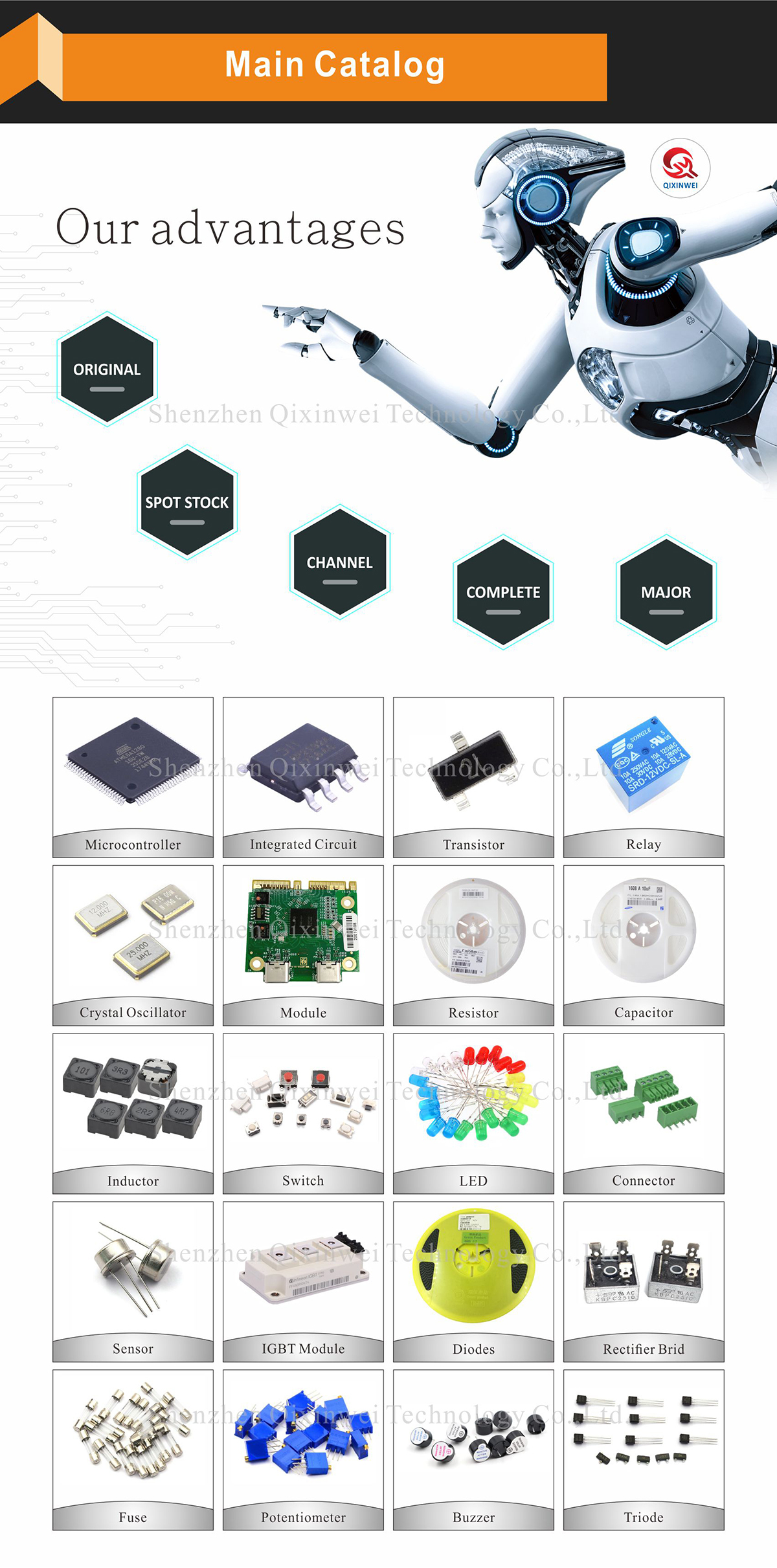
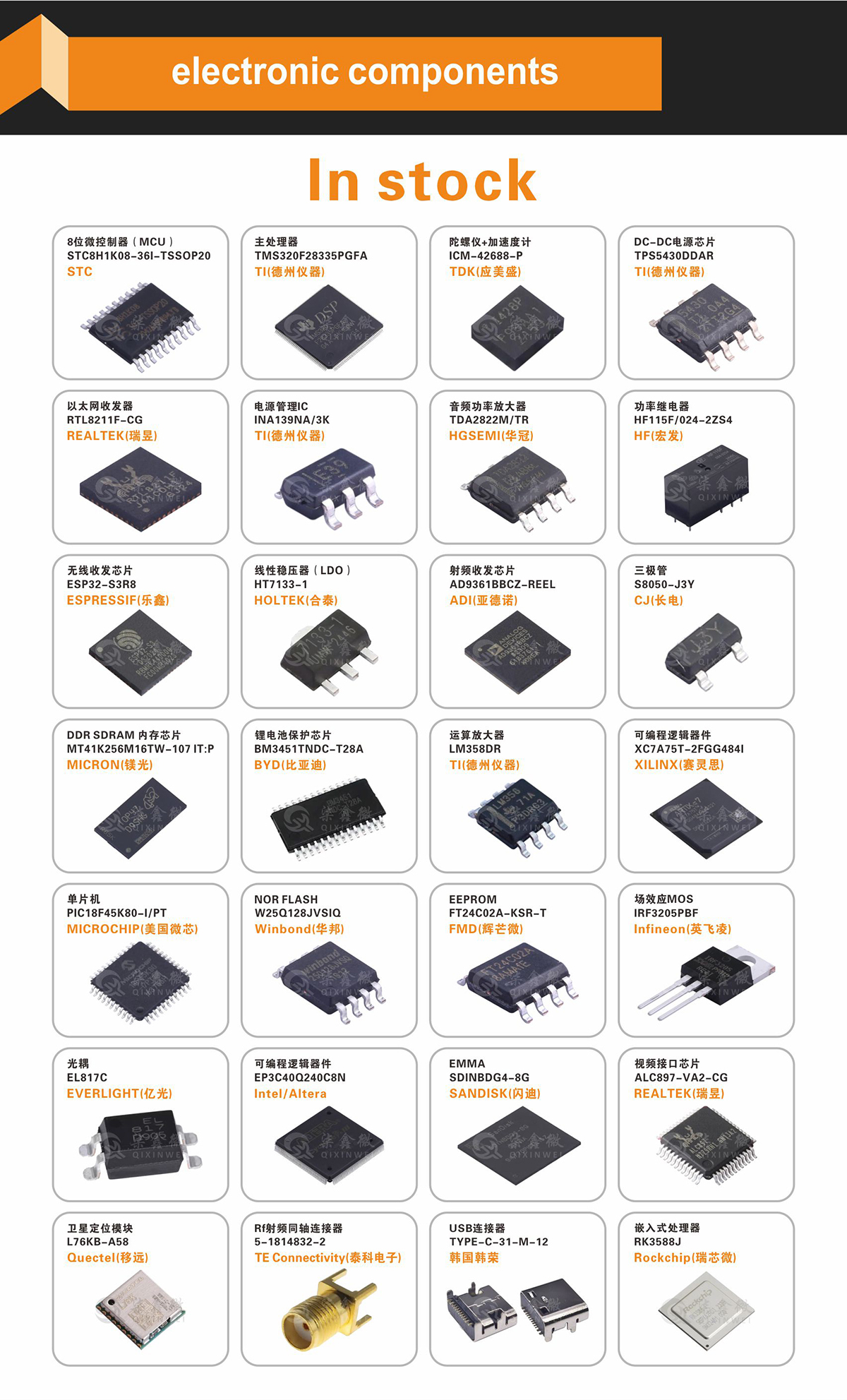
Years of experience in the electronics industry. Trusted by global customers. Massive In-Stock Inventory – Ready to ship promptly. BOM Matching Service – One-stop solution, save time. PCBA Customization – Professional engineering team creates tailor-made solutions based on your needs. Cost-Effective & Efficient – Better channel, better cost. A dedicated team makes your procurement smoother. Contact us for BOM quotes or PCBA inquiries.









FAQ:
What is the Allwinner F133‑B and what are its core specifications?
The Allwinner F133‑B is a cost‑optimized RISC‑V application processor built around the XuanTie C906 core, running at up to 1.2 GHz. It integrates 64 MB of on‑chip DDR2 memory, a 1080p video decoder, a 2D graphics accelerator, and a distinctive analog CVBS (Composite Video) input interface, all in an ELQFP‑128 package. Designed for entry‑level display and video‑intercom products, the F133‑B provides a modern 64‑bit RISC‑V Linux platform in a hand‑solderable, mass‑production‑friendly package.What is the CVBS input on the F133‑B and why is it important?
The CVBS (Composite Video Baseband Signal) input allows the F133‑B to directly accept analog video from legacy cameras, such as those used in existing doorbells, reversing cameras, or industrial inspection equipment. This eliminates the need for an external video decoder chip, reducing BOM cost and PCB area. The chip digitizes the analog signal, processes it, and can display it on a digital LCD panel—making it an ideal bridge between older analog camera infrastructure and modern digital display systems.What is the XuanTie C906 core, and how does it benefit the F133‑B?
The XuanTie C906 is a high‑efficiency 64‑bit RISC‑V core developed by Alibaba's T‑Head, featuring RV64GC ISA support, an integrated MMU for Linux, and a single‑precision FPU. Its in‑order, deeply‑pipelined architecture provides excellent performance per watt. Combined with Allwinner's mature SoC design, the C906 allows the F133‑B to run a full Linux operating system with an open, royalty‑free instruction‑set architecture backed by a rapidly growing global software ecosystem.Why does the F133‑B integrate 64 MB of on‑chip DDR2 memory? Is it enough?
The on‑chip 64 MB DDR2 eliminates the need for an external DRAM chip, drastically simplifying PCB layout, reducing BOM cost, and shrinking the board area. This amount of memory is sufficient to run a tailored Linux distribution (such as Tina Linux), a lightweight GUI framework, and a focused application. It is specifically sized for single‑purpose products like video doorbells, reversing monitors, and simple HMI panels where the software stack is well‑defined and memory requirements are modest.How does the F133‑B compare to the Allwinner D1s? When should I choose the F133‑B?
Both chips share the same XuanTie C906 core and 64 MB on‑chip DDR2, and both come in an LQFP‑128‑EP package. The key difference is the video interface: the D1s offers a MIPI DSI display output for direct connection to modern LCD panels, while the F133‑B replaces MIPI DSI with a CVBS analog video input. Choose the F133‑B when your product needs to capture analog video from legacy cameras; choose the D1s when your design focuses on driving a digital LCD display. Both run the same Linux SDK and are software‑compatible.Does the F133‑B have a display interface? Can it drive a TFT LCD?
Yes, the F133‑B includes a parallel RGB LCD controller that can drive TFT panels up to 1080p resolution. Combined with the 2D graphics accelerator, it can render smooth user interfaces for video doorbells, intercom screens, and simple HMI panels. While it lacks MIPI DSI, the parallel RGB interface is compatible with a wide range of cost‑effective industrial TFT modules.Can the F133‑B run Linux? What development tools and SDK are available?
Yes, the F133‑B fully supports Linux. Allwinner provides the Tina Linux SDK, which is based on OpenWrt and includes the U‑Boot bootloader, the RISC‑V Linux kernel, and a complete build environment. The SDK includes drivers for the video decoder, display controller, and CVBS input. The open‑source RISC‑V GCC toolchain is used for compilation, and the F133‑B is also supported by RT‑Thread and FreeRTOS, giving developers a wide range of software choices.Is the RISC‑V software ecosystem mature enough for commercial products built on the F133‑B?
Yes, the RISC‑V ecosystem has matured rapidly. The F133‑B benefits from the extensive software work done for the D1 series, including stable Linux kernel support, Debian/Ubuntu distribution ports, and a large number of third‑party libraries that have been validated on the C906 core. For embedded HMI, video‑intercom, and IoT gateway applications, the software stack is complete and production‑ready. The open‑source nature of RISC‑V also eliminates licensing fees and provides long‑term architectural flexibility.What is the advantage of the ELQFP‑128 package for the F133‑B?
The ELQFP‑128 package (14 mm × 14 mm) has exposed leads that can be drag‑soldered with a standard soldering iron and visually inspected. It is far more prototyping‑ and small‑batch‑production‑friendly than BGA packages. Combined with the on‑chip DDR2, the F133‑B enables a true single‑chip solution that can be manufactured by smaller contract assembly houses without X‑ray inspection, accelerating time‑to‑market and reducing production costs for startups and mid‑volume products.What are the most typical applications for the Allwinner F133‑B RISC‑V processor?
It is used in video doorbells, analog‑to‑digital camera converters, reversing monitor systems, simple intercom displays, industrial inspection monitors, and any cost‑sensitive embedded product that needs to capture CVBS analog video, process it, and display it on a digital LCD panel. Its LQFP‑128‑EP package, on‑chip memory, and built‑in CVBS input make it a unique single‑chip solution for bridging legacy analog cameras with modern digital display systems.
- Model:
- F133-B
- Brand:
- Allwinner
- Package:
- ELQFP-128,14×14mm
- Embedded Memory:
- 64MB DDR2 (SiP),clock up to 533MHz
- Video Decoding:
- H.265/H.264/MPEG-1/2/4/JPEG/VC1,up to 1080p@60fps
- Video Encoding:
- JPEG/MJPEG,up to 1080p@60fps
- Display Interfaces:
- RGB, dual-link LVDS, 4-lane MIPI DSI, CVBS OUT (NTSC/PAL)
- Video Input:
- 8‑bit parallel CSI + CVBS IN (F133‑B only, F133‑A N/C)
- Storage Interfaces:
- SD3.0, eMMC 5.0, SPI NOR/NAND Flash
- Operating Temperature:
- -25℃ to +85℃