qixinwei-pcba


ESP32-C6-DevKitC-1 Development Board ESP32-C6-WROOM-1 Module Wi-Fi 6 Bluetooth 5 Zigbee Thread 8MB Flash
ESP32-C6-DevKitC-1 Product Overview
The ESP32-C6-DevKitC-1 is an entry-level development board based on the ESP32-C6-WROOM-1 general-purpose module, supporting 2.4GHz Wi-Fi 6, Bluetooth 5 (LE), Zigbee 3.0, and Thread 1.3 wireless protocols. It features a RISC-V 32-bit single-core processor running up to 160MHz, with 512KB HP SRAM, 16KB LP SRAM, and 8MB SPI Flash. Most GPIO pins are broken out to pin headers on both sides, allowing direct breadboard insertion or jumper wire connections to peripherals.
ESP32-C6-DevKitC-1 Core Features
The ESP32-C6-DevKitC-1 features a high-performance RISC-V 32-bit single-core processor up to 160MHz, with 512KB HP SRAM, 16KB LP SRAM, and 8MB SPI Flash, delivering ample computing power and storage for complex applications.
The board supports 2.4GHz Wi-Fi 6 (802.11ax), fully compatible with 802.11b/g/n protocols, featuring OFDMA, MU-MIMO, and TWT for high concurrency and low-power scenarios. It also supports Bluetooth 5 (LE), Zigbee 3.0, and Thread 1.3, making it an ideal Matter endpoint device for smart home and multi-protocol IoT networks.
The onboard ESP32-C6-WROOM-1 module features a PCB antenna and 8MB SPI Flash. The board includes a USB Type-C to UART bridge and a native USB Type-C interface for the ESP32-C6 chip, supporting up to 12Mbps data transfer, firmware flashing, power supply, and JTAG debugging.
All available GPIO pins (except the SPI bus for Flash) are broken out to pin headers on both sides, supporting I2C, I2S, SPI, UART, ADC, PWM, USB Serial/JTAG, and more, for easy connection to sensors and actuators. An addressable RGB LED (driven by GPIO8) is onboard for status indication.
The board features a Boot button and a Reset button. Holding Boot and pressing Reset enters "Firmware Download" mode for serial firmware flashing. An onboard 5V to 3.3V LDO provides stable power, and a 3.3V power LED lights up when USB is connected.
ESP32-C6-DevKitC-1 Applications
Multi-Protocol Smart Home: Matter endpoint devices compatible with Wi-Fi, Thread, and Zigbee, suitable for smart bulbs, smart plugs, and sensors
Industrial Automation: Wi-Fi 6 low-latency and high-concurrency features for equipment monitoring and data acquisition
IoT Data Loggers: Collect environmental data and upload to cloud platforms via Wi-Fi or Bluetooth
Service Robots: Control core for motors and actuators, enabling autonomous navigation and remote control
Consumer Electronics: Wearables, health monitors, and audio devices
Education / Open Source: Supports ESP-IDF and Arduino IDE, ideal for embedded system teaching and project development
ESP32-C6-DevKitC-1 Key Advantages
The ESP32-C6-DevKitC-1 is first multi-protocol RISC‑V development board integrating Wi-Fi 6, Bluetooth 5, Zigbee, and Thread, allowing a single chip to access multiple IoT networks. Based on the RISC-V architecture, it offers independence from ARM.
With 8MB Flash and 512KB SRAM, it provides ample storage and runtime for complex applications like Matter, Thread border routing, and AI algorithms. Low-power design with Deep‑sleep support makes it suitable for battery‑powered long‑term deployments.
All GPIOs are broken out to standard 2.54mm pin headers, allowing direct breadboard insertion without soldering. Rich GPIO functions (I2C, SPI, UART, ADC, PWM, USB Serial/JTAG, etc.) meet most peripheral connection needs.
Supported by ESP-IDF and Arduino IDE with abundant examples and community resources, development is straightforward. The onboard USB-to-UART bridge and native USB interface eliminate the need for an external programmer, making it ready to use out of the box.
Why Choose QIXINWEI
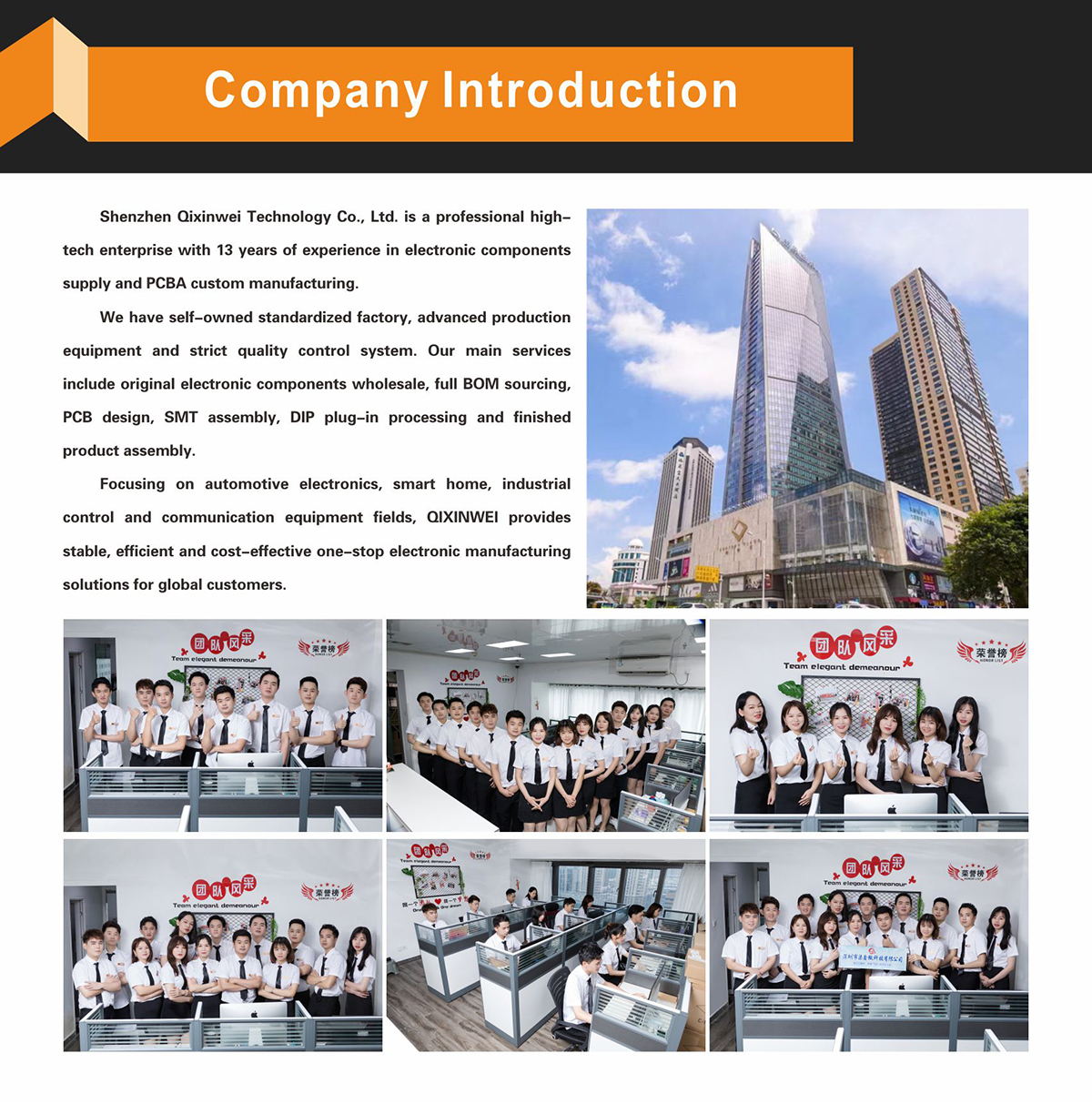
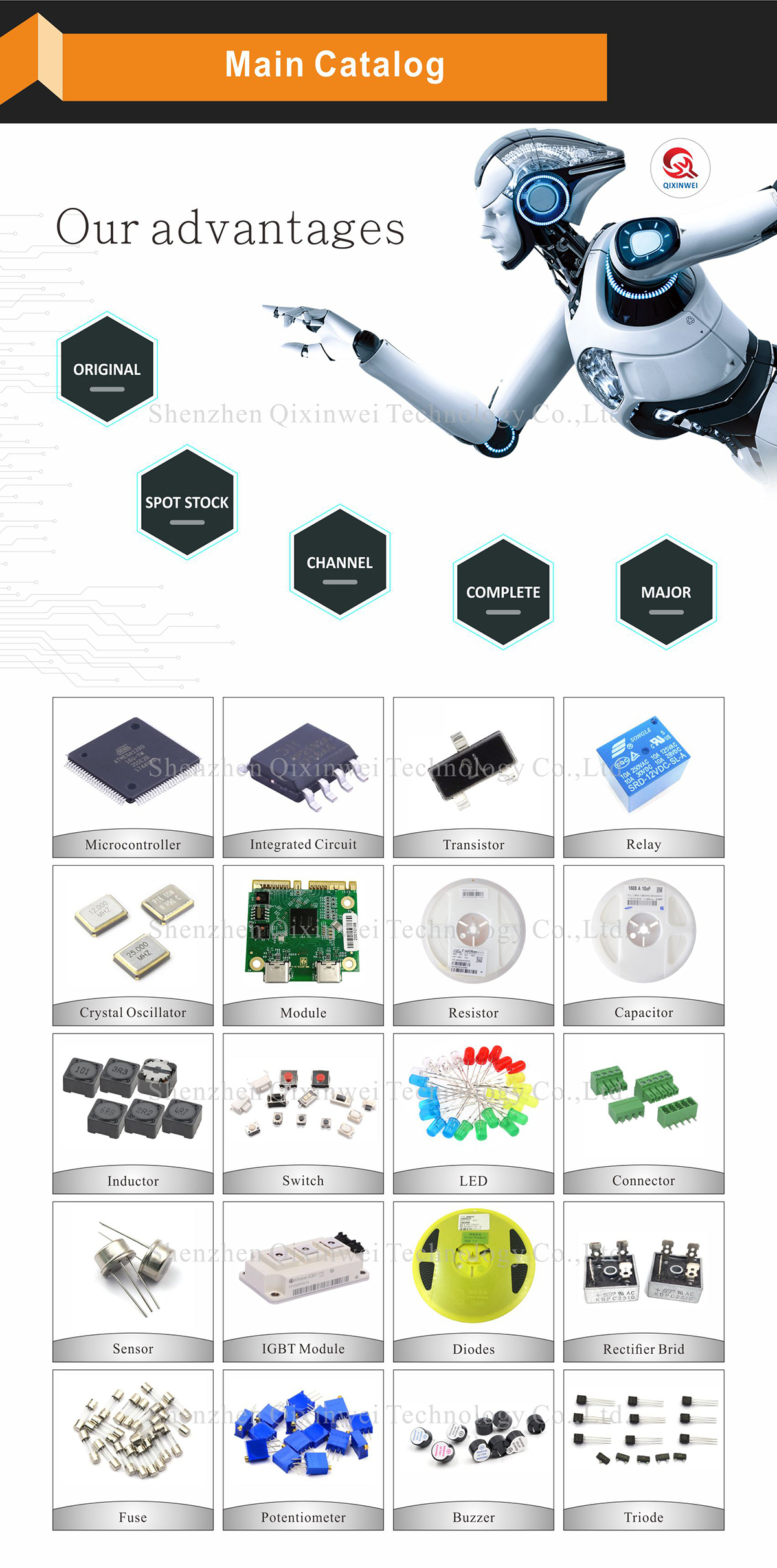
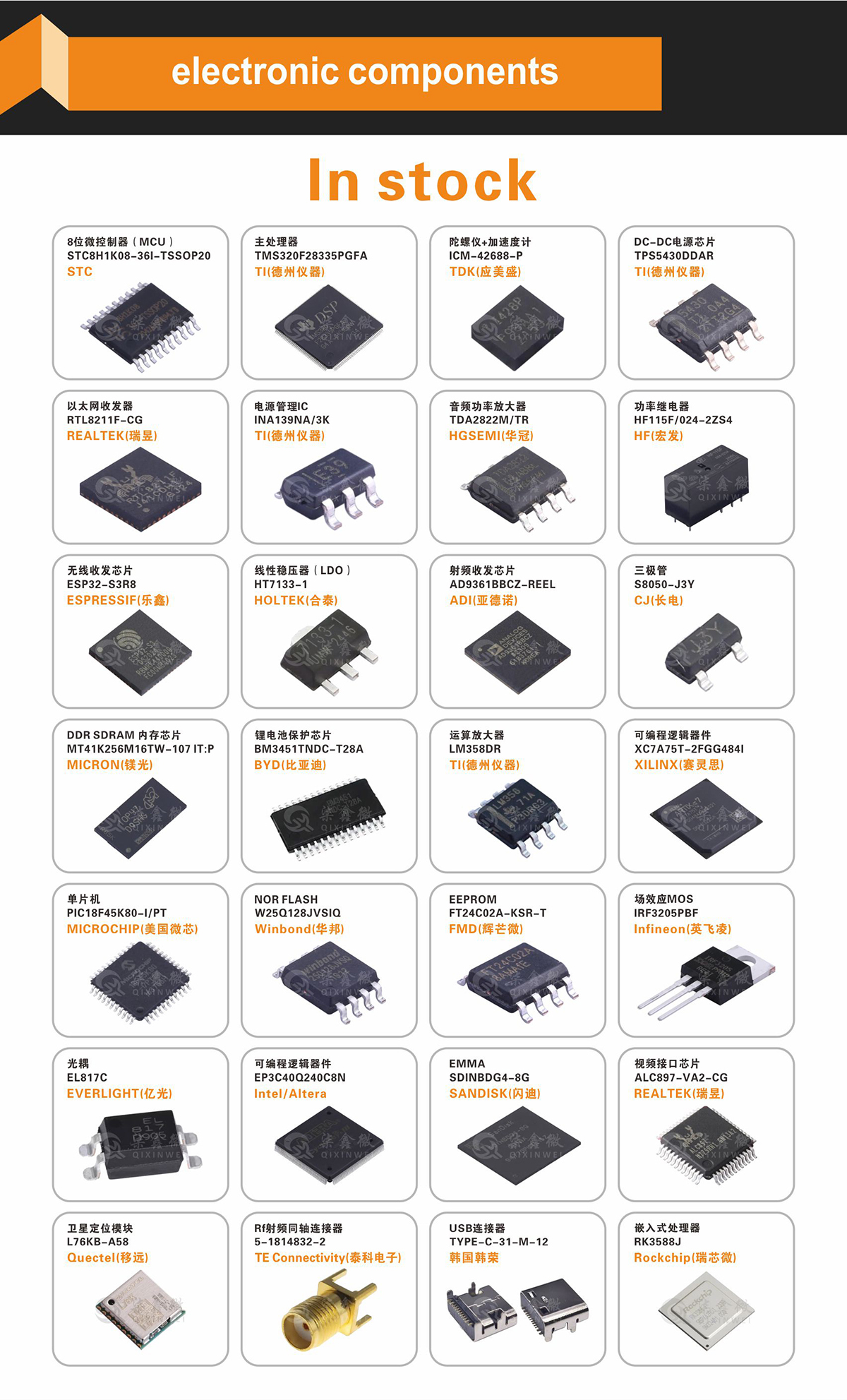
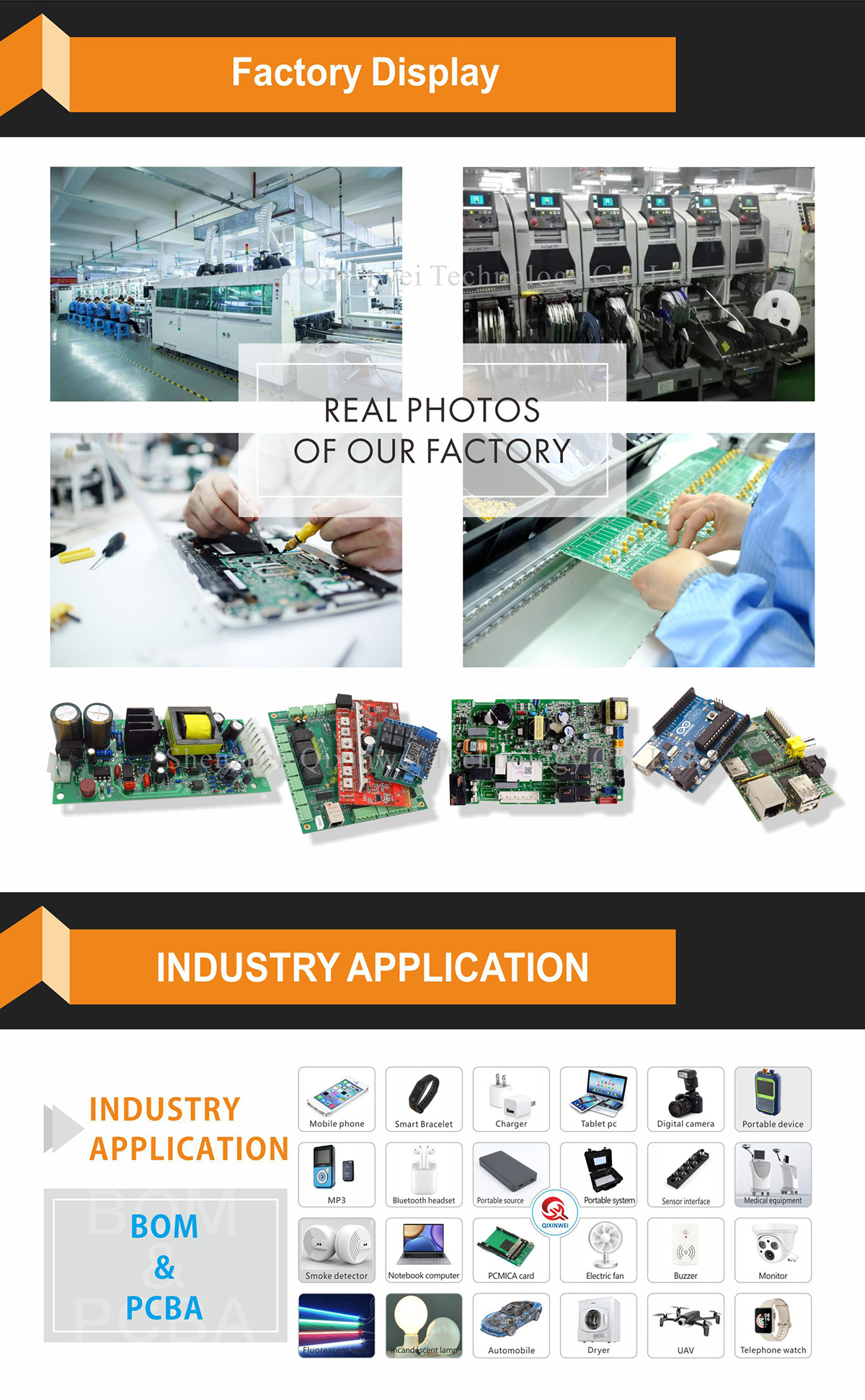
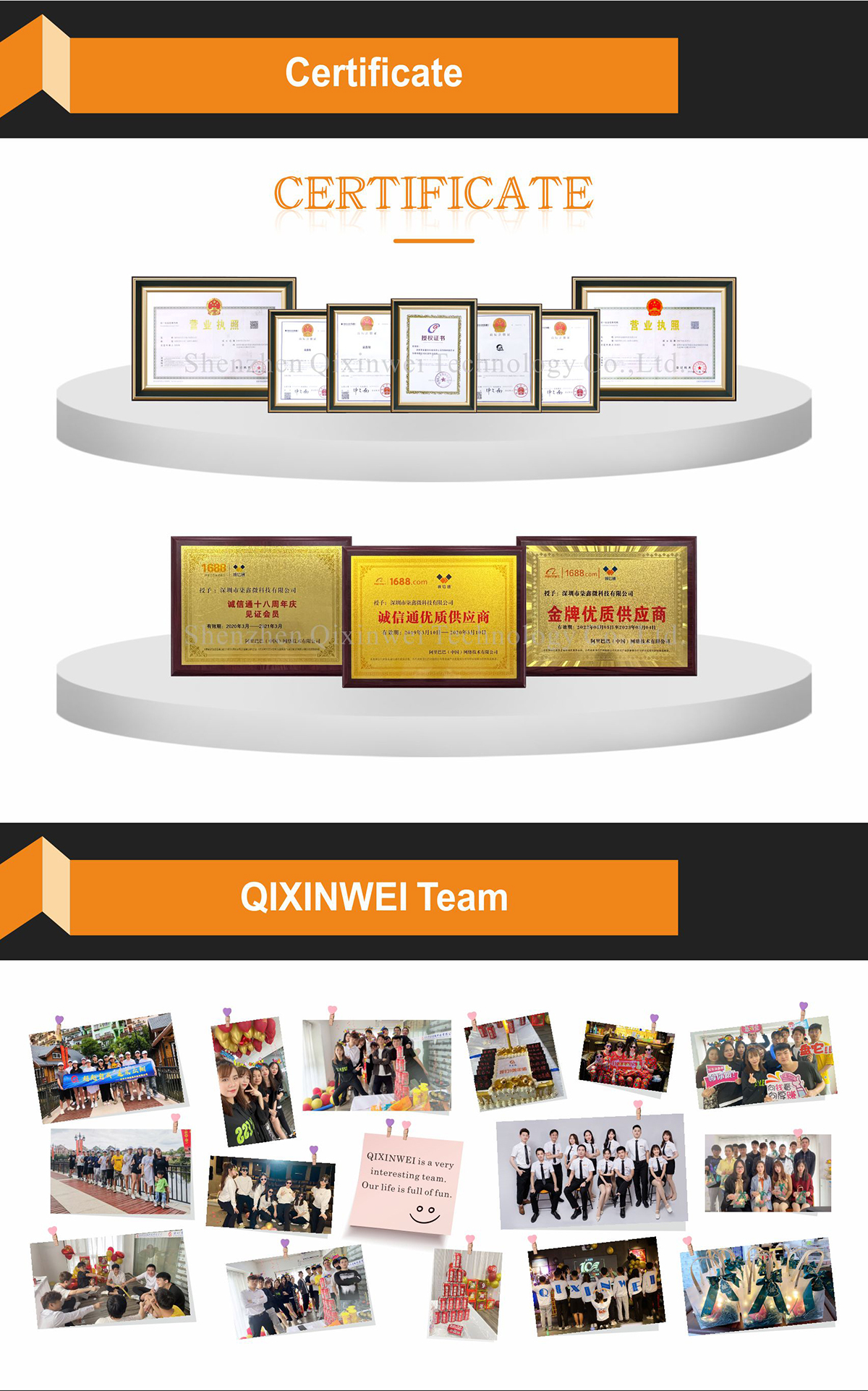
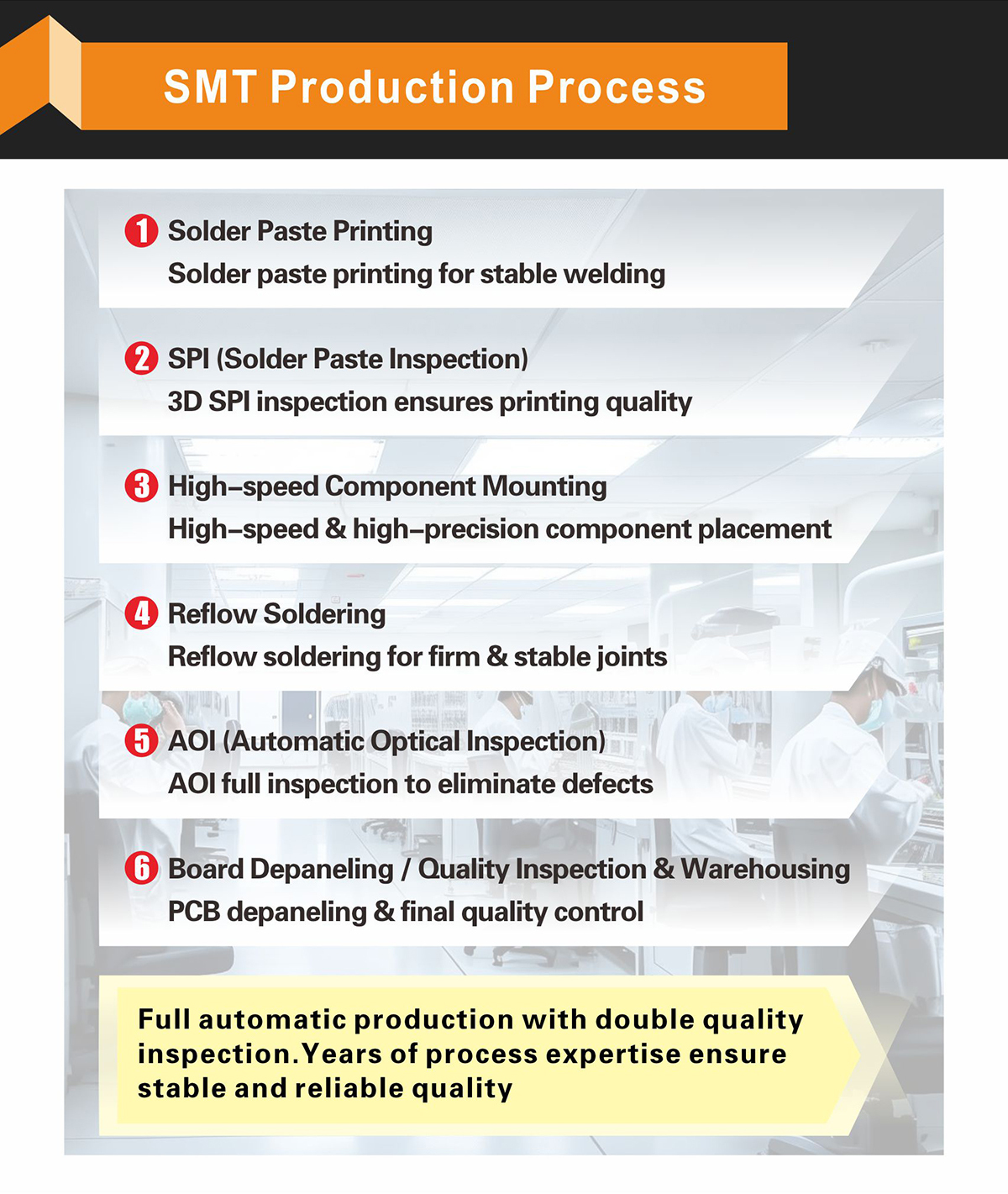
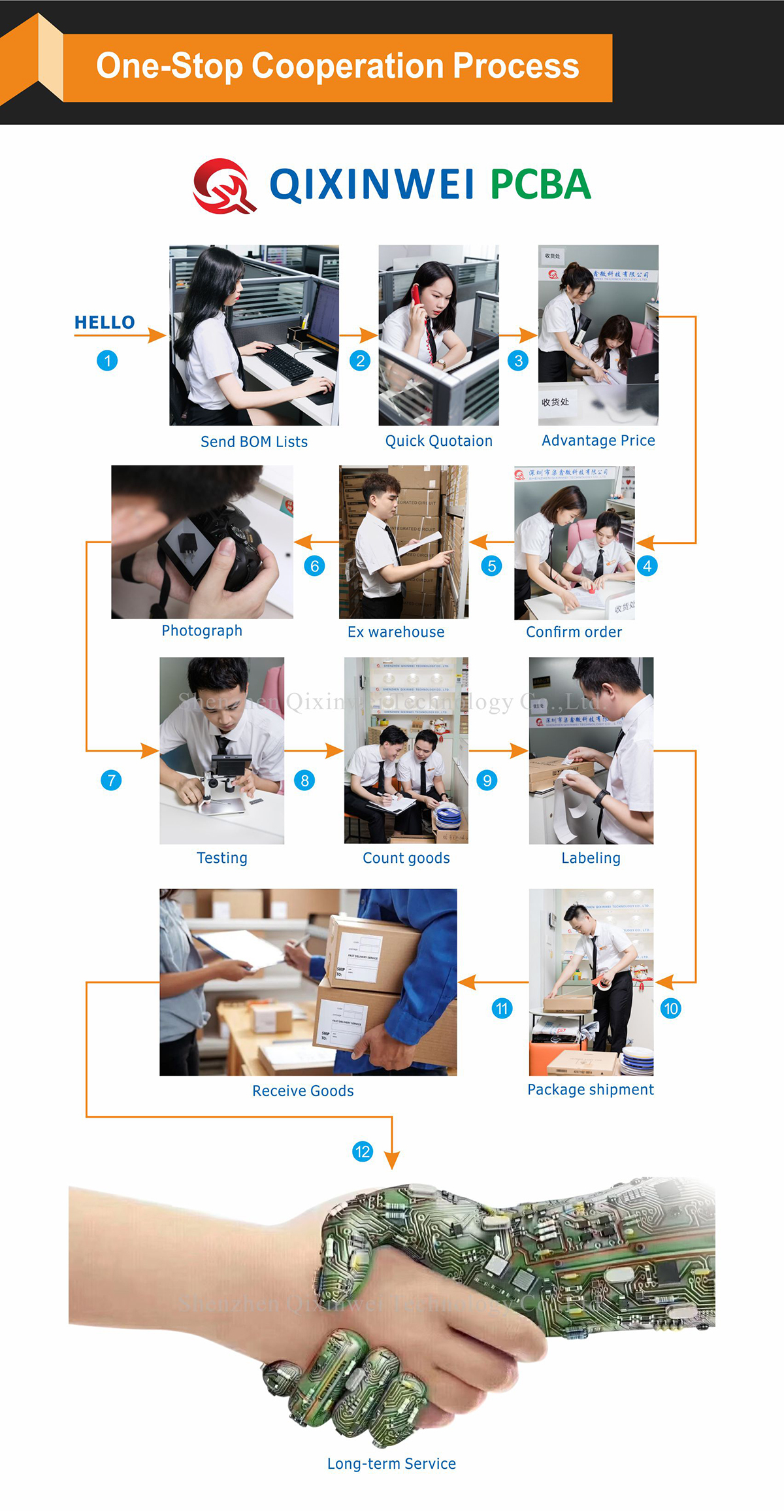
Years of experience in the electronics industry. Trusted by global customers. Massive In-Stock Inventory – Ready to ship promptly. BOM Matching Service – One-stop solution, save time. PCBA Customization – Professional engineering team creates tailor-made solutions based on your needs. Cost-Effective & Efficient – Better channel, better cost. A dedicated team makes your procurement smoother. Contact us for BOM quotes or PCBA inquiries.


FAQ:
What is the ESP32‑C6‑DevKitC‑1 and what module does it use?
It is the official development board for the ESP32‑C6 SoC, featuring the ESP32‑C6‑WROOM‑1 module with 8 MB of on‑board Flash, an integrated PCB antenna, and a USB‑C port for power and programming. The board provides all GPIOs on standard 2.54 mm headers and includes reset/boot buttons, an RGB LED, and a CP2102 USB‑to‑UART bridge. It is designed for prototyping Wi‑Fi 6, Bluetooth 5, Zigbee, and Thread applications, including Matter‑compatible smart‑home devices and Thread border routers.How does the ESP32‑C6 differ from the ESP32‑C3 and ESP32‑S3? When should I choose the C6?
The ESP32‑C3 is a single‑core Wi‑Fi 4 + BLE 5.0 chip, the ESP32‑S3 adds AI acceleration and dual‑core Xtensa, but neither supports 802.15.4 (Zigbee/Thread). The ESP32‑C6 is the first Espressif chip to combine 2.4 GHz Wi‑Fi 6 (802.11ax), Bluetooth 5.3 LE, and an 802.15.4 radio on a single RISC‑V core. It also includes a second low‑power RISC‑V core for ultra‑low‑power tasks. Choose the C6 when you need Wi‑Fi 6 or a native Thread/Zigbee radio in one chip. For simpler Wi‑Fi sensor nodes, the C3 may be more cost‑effective.Does the ESP32‑C6 support 5 GHz Wi‑Fi 6? What is the actual Wi‑Fi frequency band?
No. The ESP32‑C6 operates exclusively on the 2.4 GHz band (802.11ax, 20 MHz channels). It does not support 5 GHz. The key benefits of Wi‑Fi 6 on 2.4 GHz are OFDMA, target wake time (TWT), and improved coexistence with other radios. This makes the C6 ideal for dense IoT environments where many devices share the spectrum, and for battery‑powered sensors that need to wake, transmit, and sleep efficiently.Can the ESP32‑C6 run Zigbee and Thread simultaneously? Is it a Matter‑ready platform?
Yes, the 802.15.4 radio can dynamically switch between Zigbee and Thread protocols, and both can coexist with Wi‑Fi and Bluetooth using the on‑chip coexistence controller. The ESP32‑C6 is designed to be a Matter‑compliant platform, supporting Matter‑over‑Thread, Matter‑over‑Wi‑Fi, and BLE commissioning. Espressif provides an SDK with ready‑to‑use Thread Border Router and Zigbee Gateway examples, making it easy to build a single‑chip multiprotocol IoT gateway.How do I program the ESP32‑C6‑DevKitC‑1 using the Arduino IDE?
Add the ESP32 board package URL (`https://raw.githubusercontent.com/espressif/arduino-esp32/gh-pages/package_esp32_index.json`) in Arduino IDE preferences. In Boards Manager, install "ESP32 by Espressif" (version 2.0.14 or later, which includes the ESP32‑C6). Select "ESP32‑C6‑DevKitC‑1" from the board list, choose the correct COM port, and upload your sketch. The board's USB‑C port and CP2102 bridge handle all programming and power—no external programmer is needed.How much Flash and RAM does the ESP32‑C6‑WROOM‑1 module provide? Can I expand it?
The module includes 8 MB of embedded Flash (on the ESP32‑C6 chip itself) and 512 KB of internal SRAM. An additional low‑power 16 KB LP‑SRAM is available for the secondary RISC‑V core. External PSRAM is not supported on the ESP32‑C6. The 8 MB Flash is sufficient for most IoT firmware and OTA updates; if you need more storage, you can connect an external SPI Flash via the GPIO pins.What are the key low‑power features of the ESP32‑C6, and how low can the deep‑sleep current go?
The ESP32‑C6 incorporates a dual‑core RISC‑V architecture: a main 160 MHz core and a smaller low‑power co‑processor. In deep‑sleep mode, the main core and most peripherals are powered down, while the co‑processor can monitor an external trigger or a timer. The deep‑sleep current is typically around 7 µA (with RTC timer active). Wi‑Fi 6 Target Wake Time (TWT) further reduces active‑mode power by scheduling transmissions. These features enable years of operation on a small battery.What peripherals and I/O pins does the DevKitC‑1 break out, and are they 5 V‑tolerant?
The DevKitC‑1 brings out all available GPIOs (up to 23) on dual 2.54 mm headers. Peripherals include SPI, I²C, UART, ADC, PWM, LED‑PWM, and a USB Serial/JTAG controller. **No GPIO is 5 V‑tolerant**; all I/O operates at 3.3 V. You must use level‑shifters when connecting to 5 V sensors. The board also includes a WS2812 RGB LED on GPIO8 and a 5 V power pin (from USB) to supply external modules.Can the ESP32‑C6 act as a Thread border router? What hardware is required besides this board?
Yes, the ESP32‑C6 can function as a Thread border router by combining its 802.15.4 radio (for the Thread mesh) and its Wi‑Fi interface (for the backhaul connection). The Espressif Thread Border Router SDK uses the OpenThread stack and runs entirely on the C6. No external radio co‑processor is required. For a full border router, you simply need the DevKitC‑1, a Wi‑Fi network, and an IPv6‑capable router; the board handles all Thread mesh routing and Wi‑Fi connectivity.What are the most typical applications for the ESP32‑C6‑DevKitC‑1?
It is used for Thread border routers, Zigbee‑to‑Wi‑Fi bridges, Matter‑compatible smart‑home hubs, smart sensors with long battery life (using TWT), industrial IoT gateways with real‑time multiprotocol connectivity, and any application that needs a single‑chip solution combining Wi‑Fi 6, Bluetooth 5, and 802.15.4. Its RISC‑V architecture and built‑in security features (secure boot, flash encryption) also make it suitable for secure, connected devices in commercial and industrial environments.
- Model:
- ESP32-C6-DevKitC-1
- Processor:
- RISC-V 32-bit single-core
- Clock Speed:
- Up to 160MHz
- RAM:
- 512KB HP SRAM + 16KB LP SRAM
- Flash:
- 8MB SPI Flash
- Type:
- ESP32-C6-DevKitC-1-N4 (without soldering pins), ESP32-C6-DevKitC-1-N4 (soldering pins), ESP32-C6-DevKitC-1-N8 (without soldering pins), ESP32-C6-DevKitC-1-N8 (soldering pins), ESP32-C6-DevKitC-1-N16 (without soldering pins), ESP32-C6-DevKitC-1-N16 (soldering pins)
- GPIOs:
- 22
- Analog Inputs:
- 6 ADC channels
- Power Supply:
- 5V USB input, onboard 5V-to-3.3V LDO
- Applications:
- Smart home, Industrial automation, IoT, Robotics, Healthcare, Consumer electronics