qixinwei-pcba


DS90UB947TRGCRQ1 TI Automotive FPD-Link III Serializer 1080p60 OpenLDI to LVDS Dual Link Audio Transmission QFN-64
DS90UB947TRGCRQ1 Product Overview
The DS90UB947-Q1 is an automotive FPD-Link III serializer from Texas Instruments (TI) that converts OpenLDI (LVDS) video signals into a high‑speed serial FPD‑Link III interface. The device supports pixel clocks up to 170MHz, enabling WUXGA (1920×1200) and 1080p60 resolutions, along with multi‑channel I2S audio transmission and full‑duplex control (I2C/SPI). Video, audio, and control signals can be transmitted over a single coaxial or twisted‑pair cable, significantly simplifying automotive display system wiring. The device is AEC-Q100 Grade 2 qualified with an operating temperature range of -40℃ to +105℃ and comes in a 9×9mm VQFN-64 package, making it suitable for in‑vehicle infotainment (IVI), digital instrument clusters, and rear‑seat entertainment displays.
DS90UB947TRGCRQ1 Core Features
The DS90UB947-Q1 is an OpenLDI‑to‑FPD‑Link III bridge device that pairs with deserializers such as the DS90UB940-Q1 or DS90UB948-Q1. It provides single‑ or dual‑link high‑speed serial streams over 50Ω single‑ended coaxial or 100Ω differential shielded twisted‑pair (STP) cables. In dual‑link mode, it supports up to 170MHz pixel clock, enabling WUXGA and 1080p60 resolution with 24‑bit color depth; in single‑link mode, it supports up to 96MHz pixel clock.
The device transmits 35‑bit symbol data over a single serial link at up to 3.36Gbps, or over two serial links at 2.975Gbps per link. The serial stream embeds clock, video control signals, RGB video data, and audio data, with DC‑balancing to enhance signal quality, supporting AC coupling.
The FPD‑Link III interface supports full‑duplex control (including I2C up to 1Mbps Fast‑Mode Plus and SPI) over the same differential link as video and audio. By combining video, audio, and control signals into two differential pairs, the device reduces interconnect size, weight, and system complexity. EMI is minimised through low‑voltage differential signaling, data scrambling, and randomization. In backward‑compatible mode, the device can drive WXGA and 720p resolutions over a single differential link.
For audio, the device supports multi‑channel audio (up to 7.1 channels, 192kHz max) via an external I2S interface. Audio data is encrypted and transmitted over the FPD‑Link III interface, then regenerated by the deserializer.
The DS90UB947-Q1 supports high‑speed back‑channel GPIO transmission up to 2Mbps and features automatic temperature and aging compensation, enabling cable lengths up to 15 meters. The device is backward‑compatible with earlier‑generation FPD‑Link III deserializers such as DS90UB926Q-Q1 and DS90UB928Q-Q1 for easy system upgrades.
The device operates from a single 1.8V core supply, with VDDIO supporting 1.8V or 3.3V to accommodate various SoC I/O levels. The 9×9mm VQFN-64 package is ideal for space‑constrained automotive module designs.
DS90UB947TRGCRQ1 Applications
In‑Vehicle Infotainment (IVI)
Digital Instrument Clusters
Rear‑Seat Entertainment
Security and Surveillance Cameras
Automotive Display Extension (co‑driver display, HUD)
Industrial Display Applications
DS90UB947TRGCRQ1 Key Advantages
The DS90UB947-Q1 integrates video, audio, and bidirectional control signals onto a single differential link using FPD‑Link III technology, reducing wire harness count by over 70% compared to traditional LVDS solutions – significantly cutting weight, volume, and cost of in‑vehicle interconnects.
The device supports cable lengths up to 15 meters with automatic temperature and aging compensation, ensuring reliable signal quality over long distances for large vehicles or distributed display systems. With a serial line rate up to 3.36Gbps and pixel clock up to 170MHz, it meets high‑resolution display requirements such as 1080p60 and WUXGA, delivering crisp, smooth images.
Through I2C and SPI control signal pass‑through, the system host can directly access slave devices in remote displays via the serial link without additional control cables, simplifying system topology. Low‑voltage differential signaling and multiple EMI‑reduction techniques help meet stringent automotive EMC requirements.
The DS90UB947-Q1 is fully AEC-Q100 Grade 2 qualified, supporting -40℃ to +105℃ wide‑temperature operation for harsh automotive environments. It is backward‑compatible with older‑generation deserializers like DS90UB926/928, facilitating performance upgrades in existing systems.
Why Choose QIXINWEI
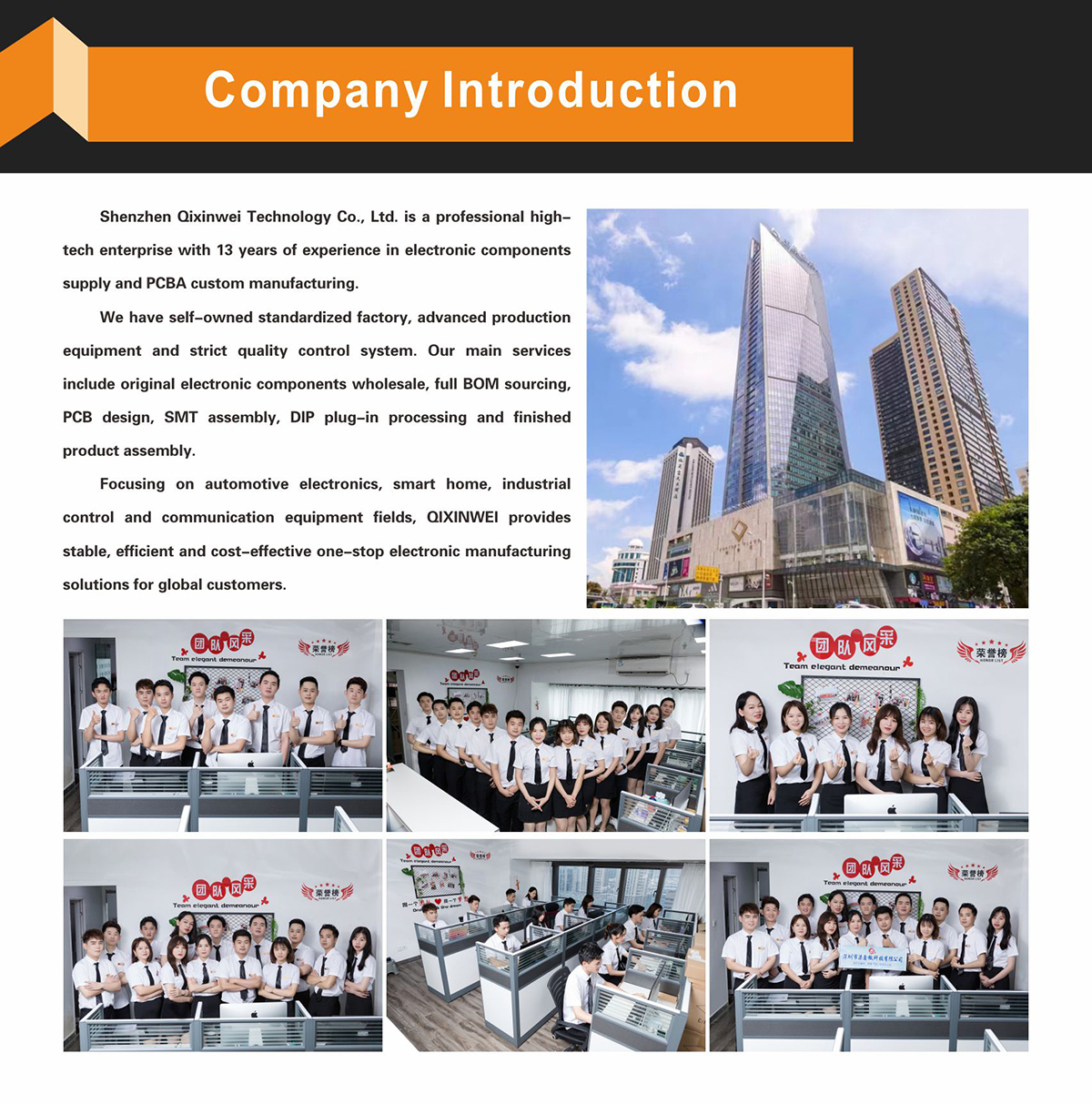
Years of experience in the electronics industry. Trusted by global customers.
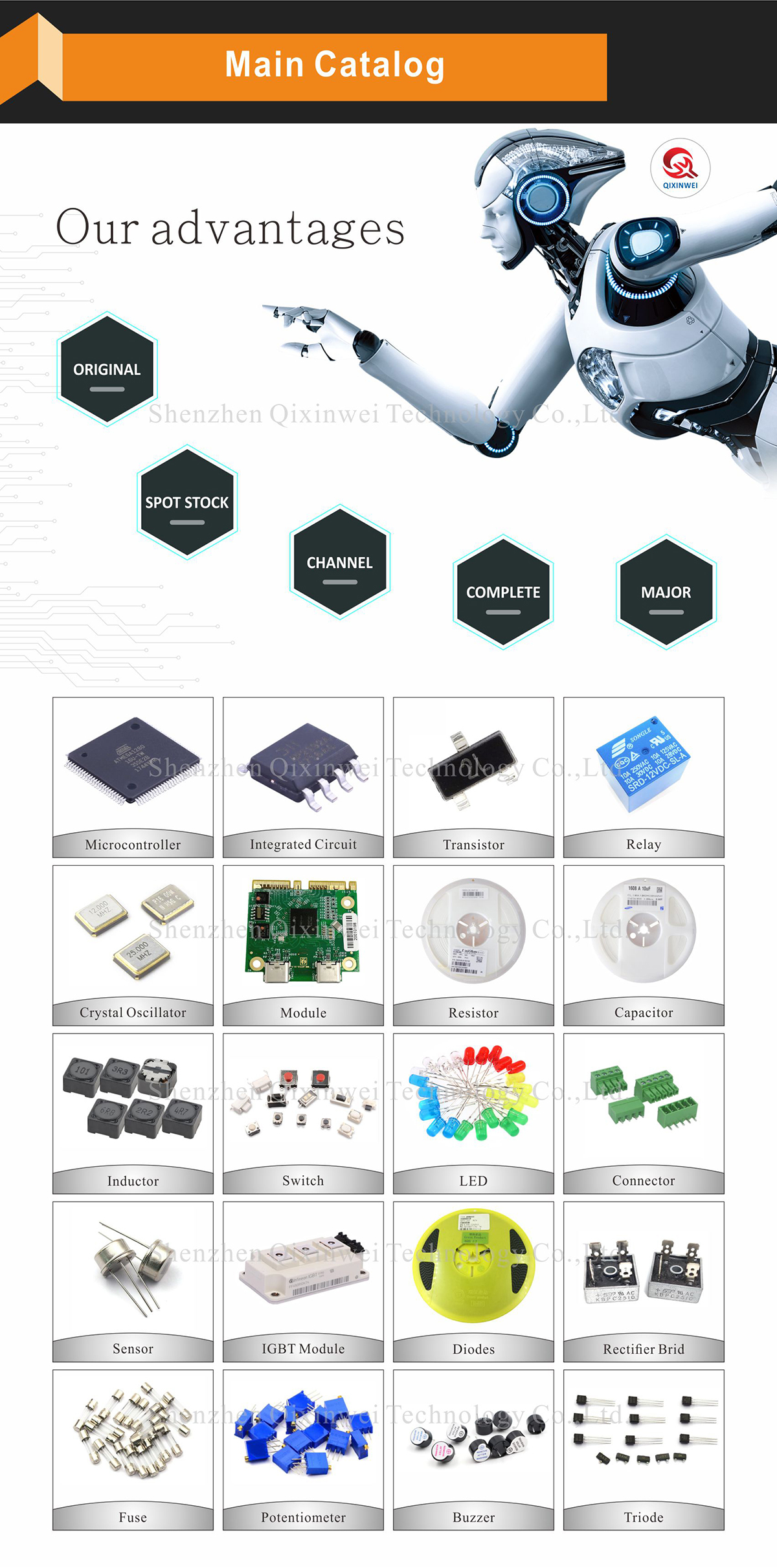
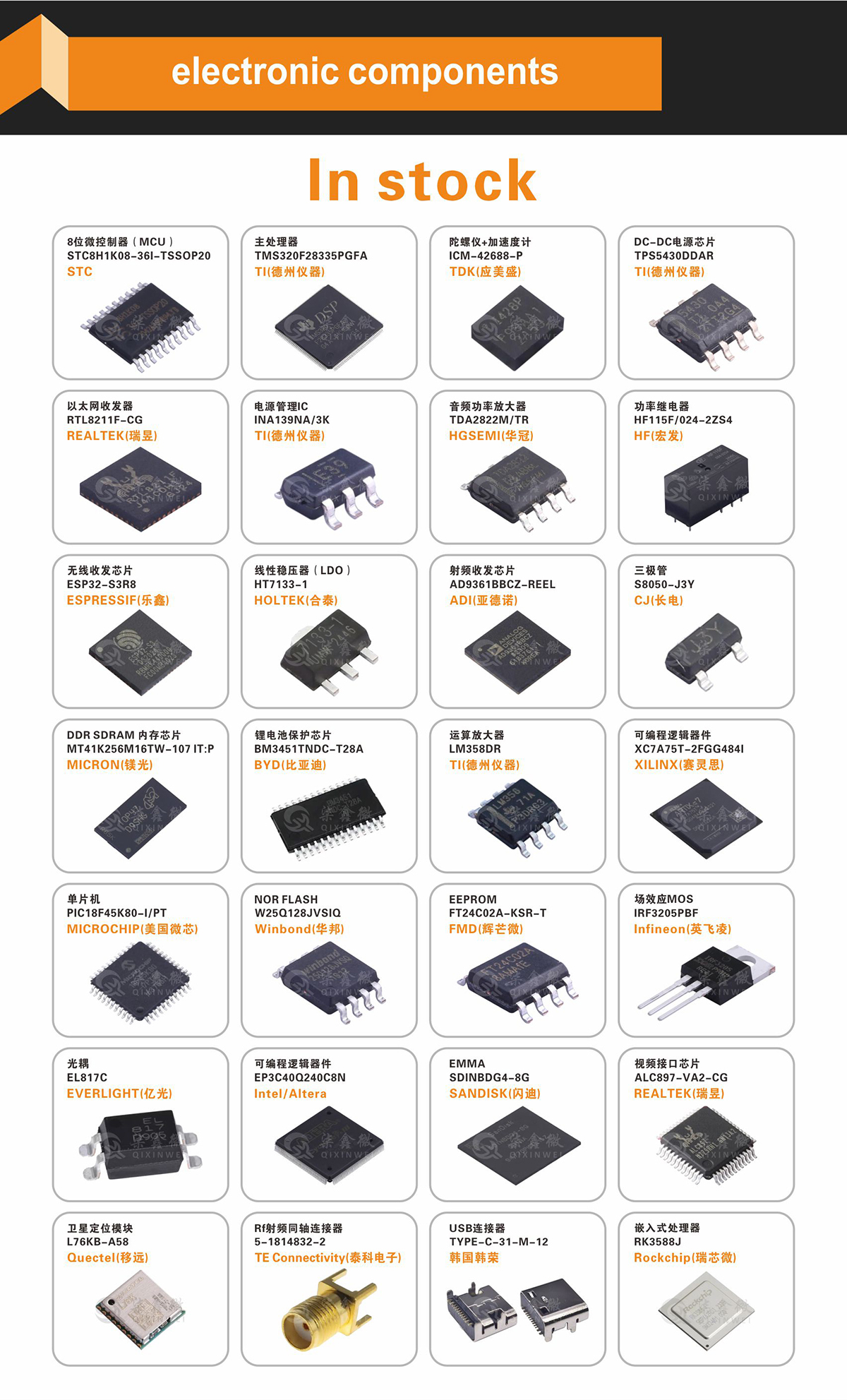
Massive In-Stock Inventory – Ready to ship promptly
BOM Matching Service – One-stop solution, save time
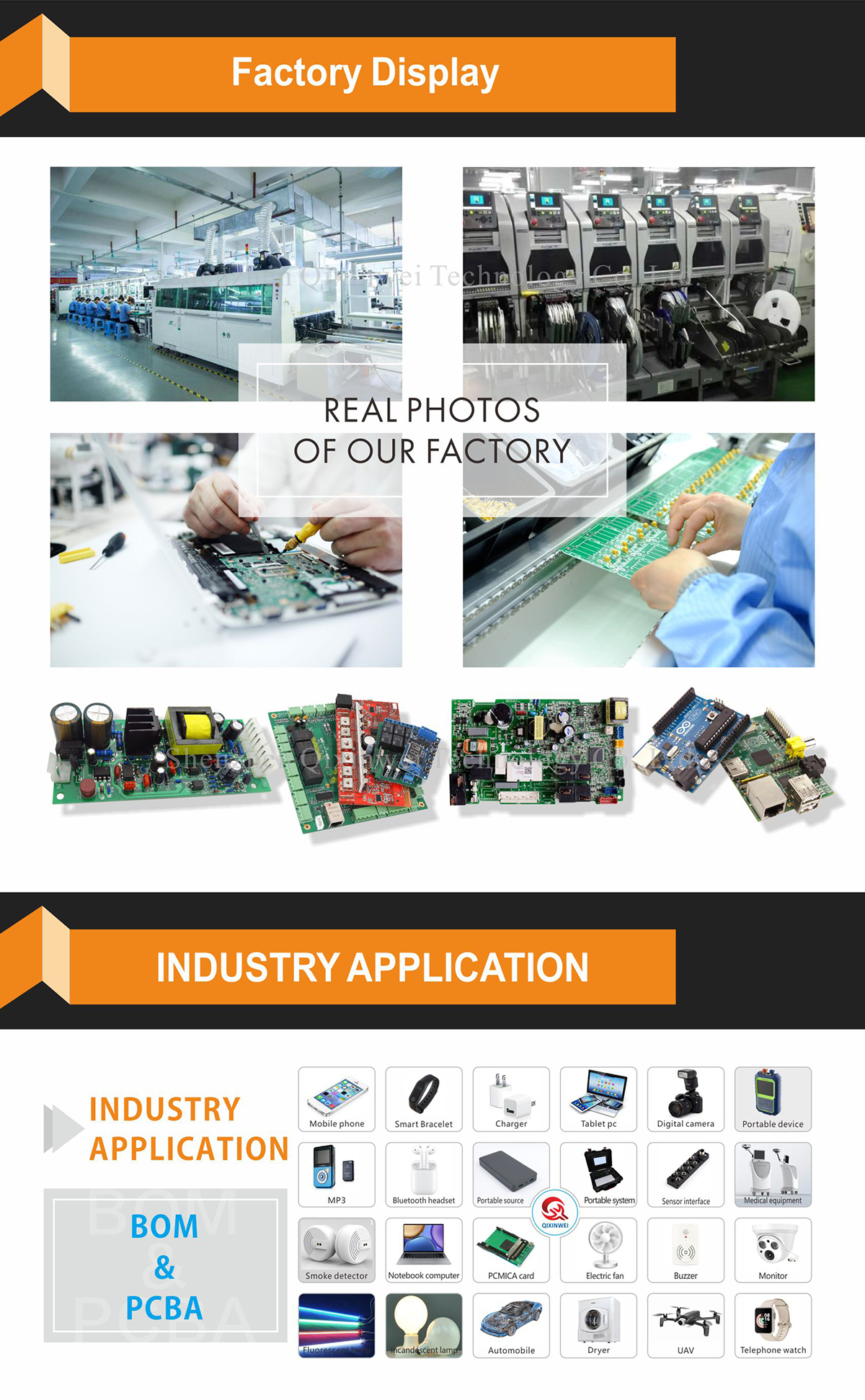
PCBA Customization – Professional engineering team creates tailor-made solutions based on your needs
Cost-Effective & Efficient – Better channel, better cost
A dedicated team makes your procurement smoother.
Contact us for BOM quotes or PCBA inquiries


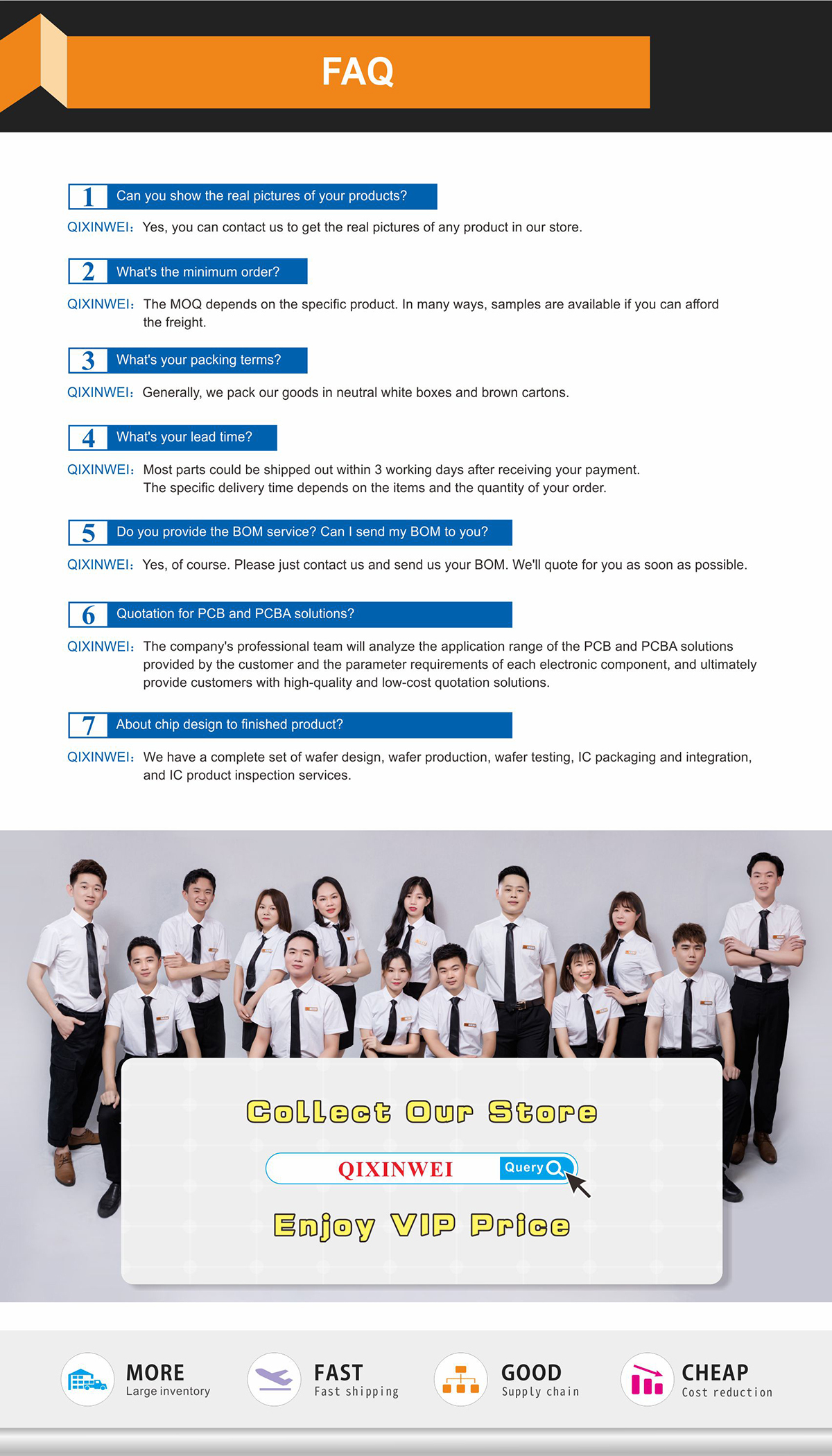
FAQ:
What is the DS90UB947TRGCRQ1 and what is its function?
The DS90UB947 is an automotive‑qualified FPD‑Link III serializer that converts a parallel OpenLDI (LVDS) video interface into a single high‑speed serial stream. It accepts dual‑link or single‑link OpenLDI input from a GPU or video processor, embeds I²S audio and control data, and drives up to 15 meters of coaxial or STP cable to a remote display. It is typically used as the video‑source side of a digital cockpit or infotainment system, paired with a compatible deserializer such as the DS90UB948 or DS90UB940.Which deserializers pair with the DS90UB947? Can it work with the DS90UB948 or DS90UB940?
The DS90UB947 is designed to work with FPD‑Link III deserializers that support dual‑link OpenLDI output: the DS90UB948 (OpenLDI deserializer) and the DS90UB940 (MIPI DSI deserializer). It can also interoperate with the DS90UB928 in compatible modes. The serializer sends the video, audio, and control signals over a single coaxial cable or shielded twisted‑pair (STP), and the deserializer reconstructs the video for the display panel.What is the maximum video resolution and pixel clock supported by the DS90UB947?
The DS90UB947 supports pixel clocks up to 192 MHz in dual‑link mode, enabling resolutions such as 2048×1080 (2K) at 60 Hz and 1920×1080 (Full HD) at 60 Hz. In single‑link mode, the pixel clock can reach 96 MHz, which still supports 720p or lower‑refresh‑rate 1080p. The dual‑link OpenLDI input accepts up to 4 LVDS data lanes, providing the necessary bandwidth for high‑resolution, high‑frame‑rate video.What is the difference between the DS90UB947 and the DS90UB949? When should I pick the 947?
The DS90UB949 accepts an HDMI input, while the DS90UB947 accepts an OpenLDI (LVDS) input. If your video source (GPU, SoC, or FPGA) already outputs LVDS/OpenLDI, the DS90UB947 is the direct, cost‑optimized choice. If your source provides HDMI (e.g., a consumer‑grade media processor or a PC), the DS90UB949 is more convenient because it avoids an external LVDS‑to‑HDMI converter. Both serializers offer identical FPD‑Link III output and audio/control channel capabilities.How does audio transmission work with the DS90UB947? What audio formats are supported?
The DS90UB947 accepts up to 8 channels of I²S audio (16‑24 bits, 32‑192 kHz sampling) on dedicated pins. The audio is embedded into the FPD‑Link III serial stream and is extracted by the remote deserializer. The same cable also carries bidirectional I²C, GPIO, and SPI control signals, eliminating the need for separate audio and control wiring between the video source and the display.What is the power supply requirement and typical power consumption of the DS90UB947?
The chip operates from a single 1.8 V core supply and a 1.8 V or 3.3 V I/O supply. Typical power consumption is around 700 mW when transmitting a 192 MHz dual‑link video stream. The WQFN‑64 package includes an exposed thermal pad that must be soldered to a large ground plane for proper heat dissipation in the compact automotive head‑unit environment.What automotive qualifications does the DS90UB947TRGCRQ1 hold?
It is a Q1‑grade device, fully compliant with AEC‑Q100 reliability standards. The operating ambient temperature range is ‑40 °C to +105 °C, making it suitable for harsh automotive interior environments. Built‑in self‑test (BIST), CRC error detection, and advanced diagnostic features also support functional safety applications up to ASIL‑B.What are the key PCB layout considerations for the DS90UB947?
The OpenLDI input lanes must be routed as length‑matched, controlled‑impedance differential pairs (typically 100 Ω). The FPD‑Link III output also requires controlled‑impedance traces (100 Ω for STP, 50 Ω for coaxial). Place AC‑coupling capacitors close to the output pins. Ensure a solid ground plane under the device and connect the thermal pad to a large copper area for heat dissipation. Follow TI’s layout guidelines to maintain signal integrity and EMI compliance.Can the DS90UB947 be used for both single‑link and dual‑link displays?
Yes. The serializer can be configured via I²C registers to accept either single‑link (2 LVDS data lanes) or dual‑link (4 LVDS data lanes) OpenLDI input. The FPD‑Link III output can also be configured as a single or dual channel to match the deserializer and cable setup. This flexibility allows the same device to be used in systems ranging from basic instrument clusters to high‑resolution center information displays.What are the most typical applications for the DS90UB947TRGCRQ1 in automotive systems?
It is widely used in digital cockpit architectures, where the video processor (GPU) is located in the head unit or a central compute module and the display is remote. Typical applications include center information displays (CID), reconfigurable instrument clusters, head‑up displays (HUD), passenger entertainment screens, and ADAS surround‑view systems. The single‑cable solution reduces wiring harness weight and complexity, a key advantage in modern vehicle design.
- Model:
- DS90UB947TRGCRQ1
- Brand:
- TI
- Device Type:
- FPD-Link III Serializer
- Automotive Qualification:
- AEC-Q100 Grade 2
- Pixel Clock:
- Up to 170MHz (Dual‑Link) / 96MHz (Single‑Link)
- Data Rate:
- 3.36Gbps (Single‑Link) / 2.975Gbps (Dual‑Link)
- Output Interface:
- FPD-Link III, 2 Outputs
- Control Channel:
- Bidirectional I2C (1Mbps Fast‑Mode Plus), SPI Pass‑Through
- Package:
- VQFN-64
- Applications:
- IVI, Digital Instrument Clusters, Rear‑Seat Entertainment, Automotive Displays