qixinwei-pcba


D-Robotics RDK X5 Development Board 10TOPS Edge AI Octa-Core A55 Stereo Vision ROS2 Ubuntu Robot Dev Kit
D-Robotics RDK X5 Product Overview
The RDK X5 is a next-generation intelligent robot development kit from D-Robotics, built on the Sunrise 5 AI SoC. It delivers 10TOPS on-device AI compute power, featuring an octa-core ARM Cortex-A55 processor (1.5GHz), 32GFlops GPU, and 4GB/8GB LPDDR4 memory. Deeply integrated with TogetheROS.Bot and the ROS2 framework, the RDK X5 runs Ubuntu 22.04 out of the box. With 2×4-lane MIPI CSI camera interfaces, 4×USB 3.0, Gigabit Ethernet (PoE), Wi-Fi 6 + Bluetooth 5.4, CAN FD, and a 40-pin GPIO, the board meets the diverse needs of robotic vision, multi-modal perception, and motion control development. Compatible with Raspberry Pi 5 heatsink cases and select accessories, the RDK X5 offers a cost-effective, full-stack development platform for ROS robotics, AI vision, and edge computing.
D-Robotics RDK X5 Core Features
10TOPS BPU On-Device AI Compute: Powered by a Bayesian-architecture single-core BPU (neural processor) optimized for robotic perception and decision-making, delivering real-time pixel-level video segmentation, structured video analysis, and attention-based visual perception. The compute power has doubled to 10TOPS compared to the previous generation X3, supporting efficient deployment of Transformer, RWKV, Occupancy, and Stereo Perception models.
Octa-Core Cortex-A55 CPU + 32GFlops GPU: 8-core ARM Cortex-A55 processor at 1.5GHz, delivering over 134% performance improvement over its predecessor. Integrated 32GFlops 3D GPU with OpenGL ES 3.1/3.0/2.0/1.1 support handles HD video codec and graphics rendering with ease.
Dual 4-Lane MIPI CSI + MIPI DSI: Equipped with 2×4-lane MIPI CSI camera interfaces, supporting stereo depth cameras and multi-camera vision solutions. MIPI DSI 4‑lane and HDMI Type‑A display interfaces support 1080P@60fps output.
Rich Industrial-Grade Interfaces: 4×USB 3.0 Host, 1×USB 2.0 Device (Type‑C), 1×Debug serial port (Micro USB). Gigabit Ethernet RJ45 with PoE support, onboard Wi‑Fi 6 + Bluetooth 5.4. CAN FD for real-time communication in robotics and industrial control. 40‑pin GPIO compatible with the Raspberry Pi ecosystem, supporting UART, PWM, I2C, SPI, and I2S protocols.
Full-Stack Robotics Development Platform: Deeply integrated with TogetheROS.Bot and ROS2 Humble, pre-configured with MoveIt control packages and navigation stacks. The RDK Studio integrated development environment enables a complete workflow—from system flashing to application development and hardware monitoring—via a single Type‑C connection. RDK NodeHub provides 200+ open‑source algorithms and applications, covering YOLO‑World dynamic recognition, VSLAM, Occupancy, and more. Natively integrated with the Volcengine Edge Intelligence large model gateway, providing access to ByteDance’s Doubao LLM and other model services.
Power Supply & OS: Powered via Type‑C, supporting 5V/5A. Pre-installed Ubuntu 22.04 for out‑of‑the‑box development.
D-Robotics RDK X5 Applications
ROS-Based Robotics Development: Robotic arm motion planning, autonomous navigation, bionic robots, and other ROS/ROS2 projects
AI Vision & Multi‑Modal Perception: Stereo depth estimation, VSLAM, Occupancy scene reconstruction, object detection and tracking
Edge AI Computing: On‑device inference for Transformer, RWKV, CLIP, and other large models
Autonomous Driving & Industrial Automation: CAN FD industrial bus communication, ADAS algorithm validation
Embedded Linux Learning & Development: Ubuntu 22.04 platform with 10TOPS AI compute, ideal for AIoT edge computing education and research
D-Robotics RDK X5 Key Advantages
Priced at 549 RMB (4GB) and 699 RMB (8GB), the RDK X5 delivers 10TOPS on‑device AI compute in the 500‑RMB price tier—outperforming competitors like the RK3588 (8TOPS) at a similar price point. The CPU upgrade to 8‑core Cortex‑A55 delivers over 134% performance improvement over the previous generation.
As a full‑stack robotics development platform, the RDK X5 comes with TogetheROS.Bot + ROS2 pre‑installed, and with RDK Studio and RDK NodeHub offering 200+ open‑source algorithms, developers can get started in just 10 minutes—dramatically reducing the barrier to ROS robotics development. The Type‑C “one‑cable” workflow covers flashing, debugging, and development end‑to‑end.
The 2×4‑lane MIPI CSI camera interfaces natively support stereo depth cameras, while the onboard 10TOPS BPU is purpose‑built for robot‑vision applications. Combined with optimized Occupancy and Stereo Perception algorithms, it delivers outstanding performance in 3D perception, obstacle avoidance, and navigation. The 40‑pin GPIO is compatible with the Raspberry Pi ecosystem, enabling reuse of a vast array of existing accessories and expansion modules.
The combination of Gigabit PoE Ethernet, Wi‑Fi 6 + Bluetooth 5.4, and CAN FD provides a complete connectivity solution for robotics development—from wired to wireless, from communication to control. The RDK X5 is also fully adapted to the Volcengine Edge Intelligence large model gateway, allowing developers to directly call Doubao LLM and other model services.
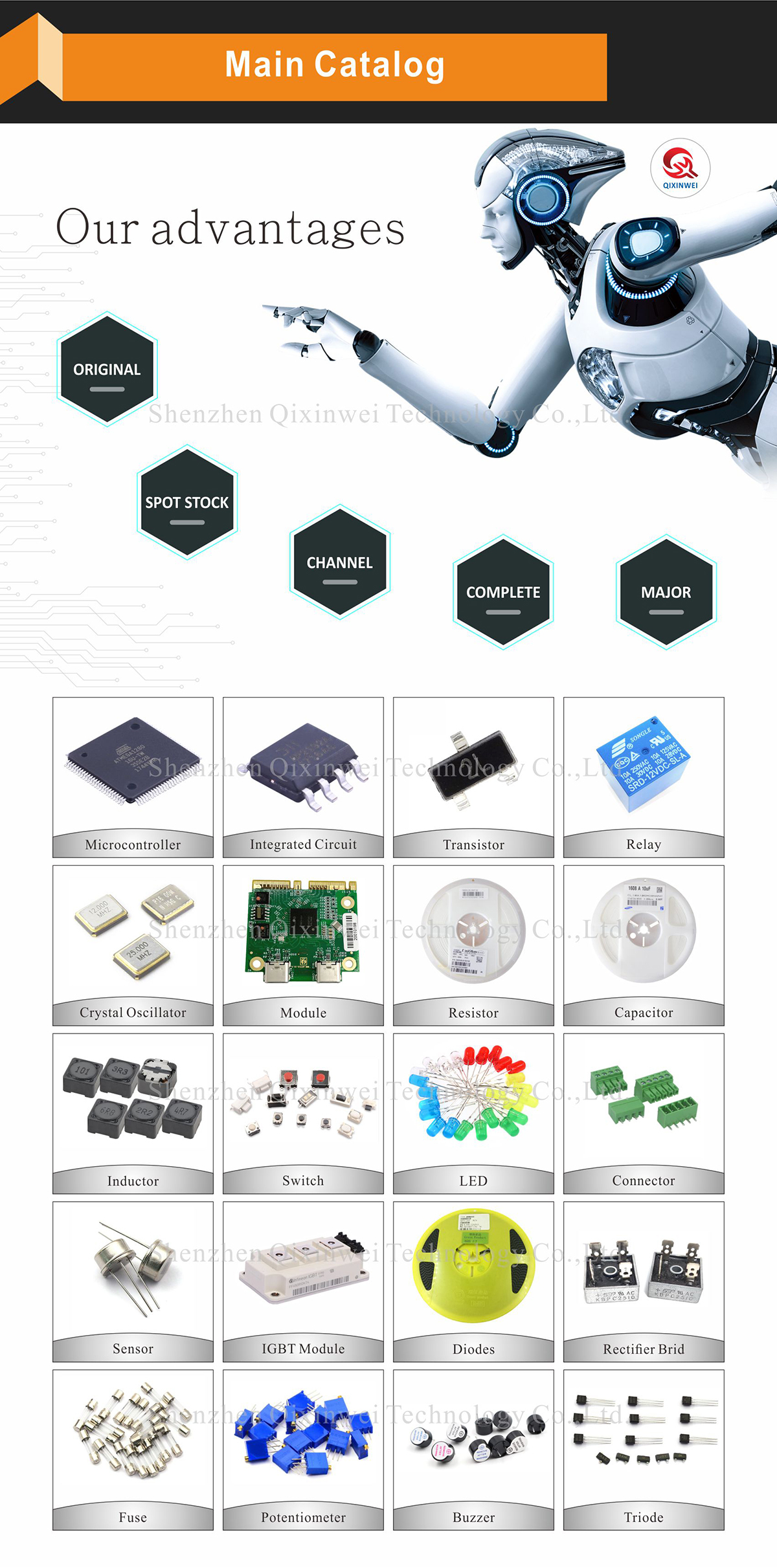
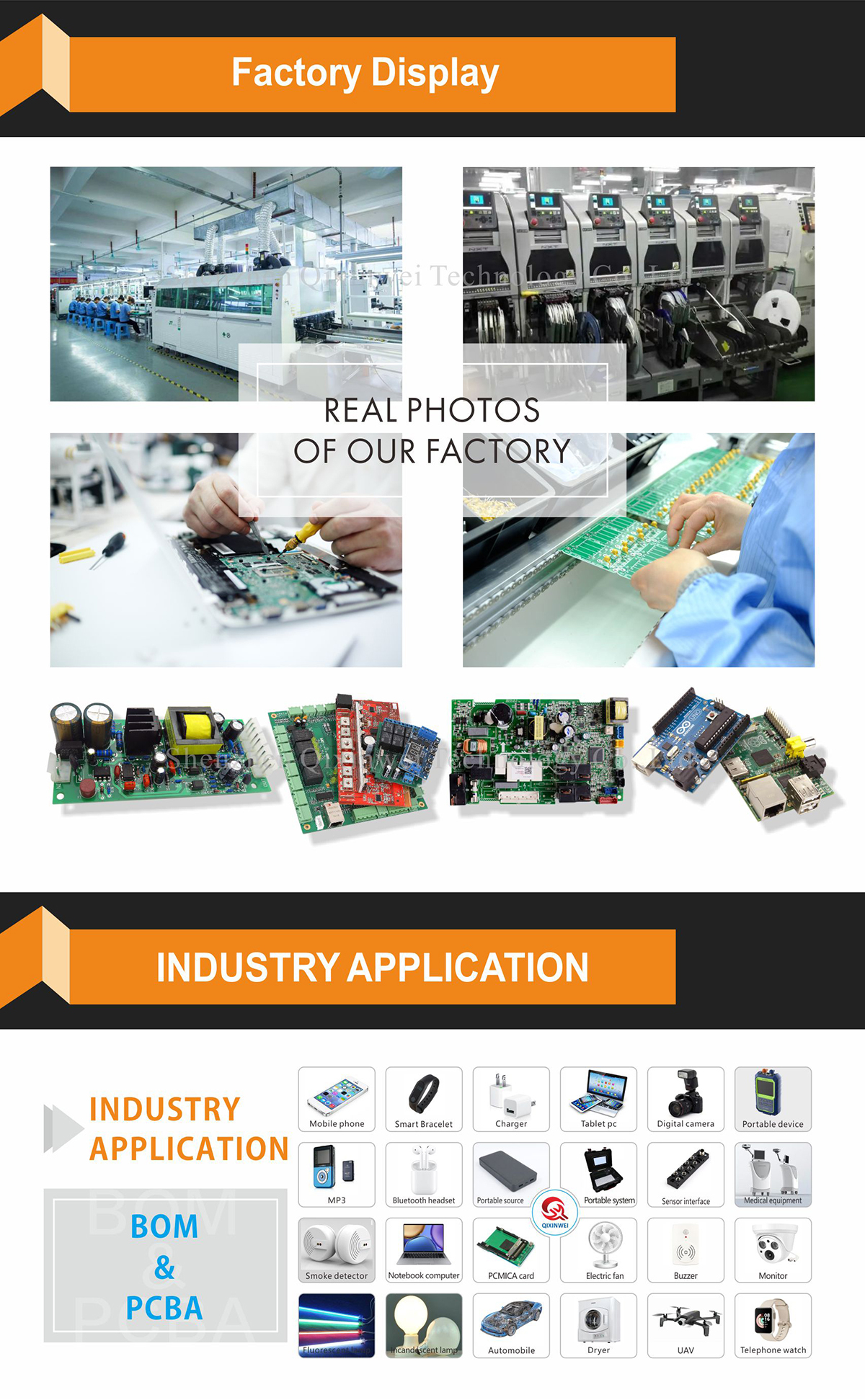
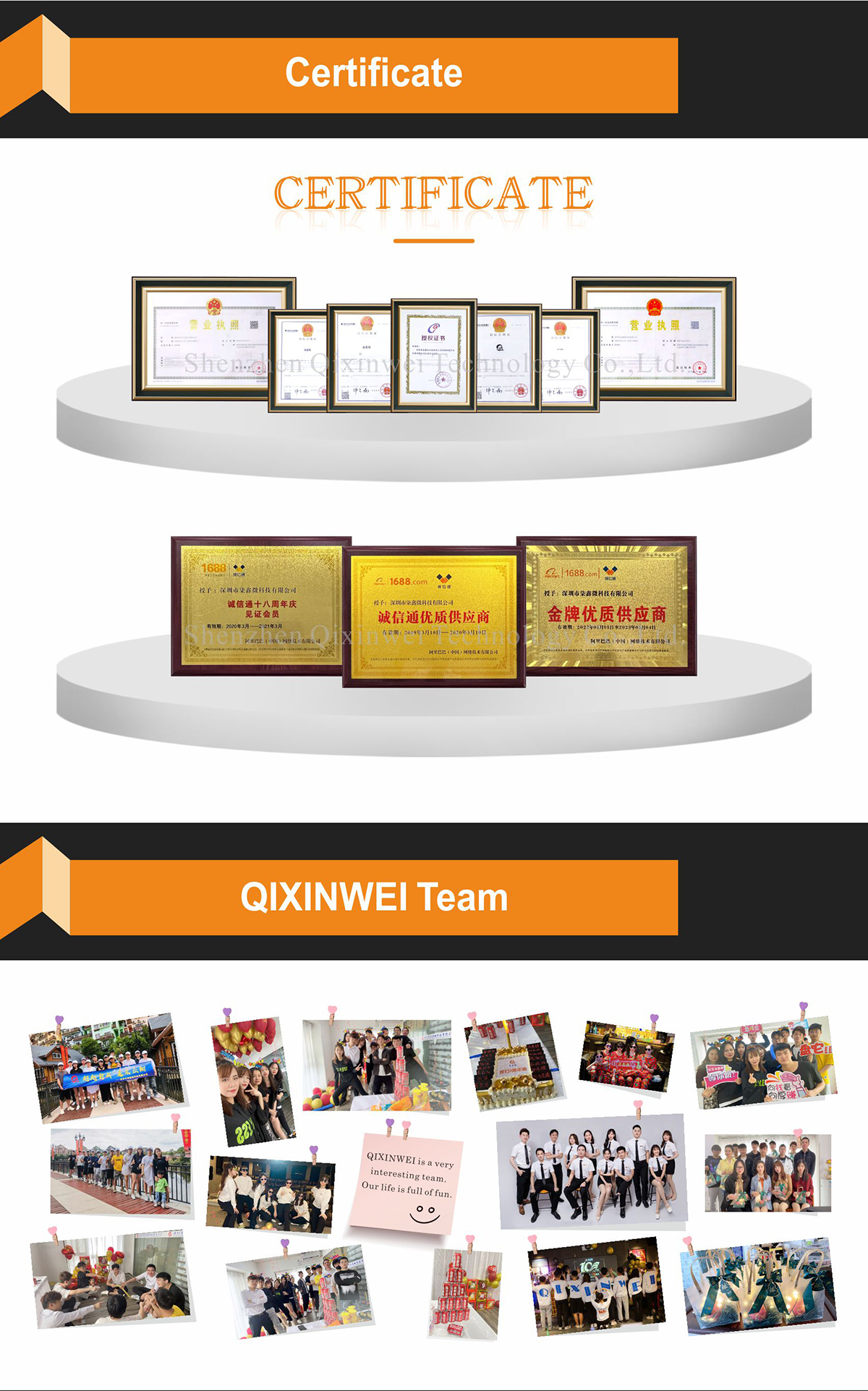
Why Choose QIXINWEI
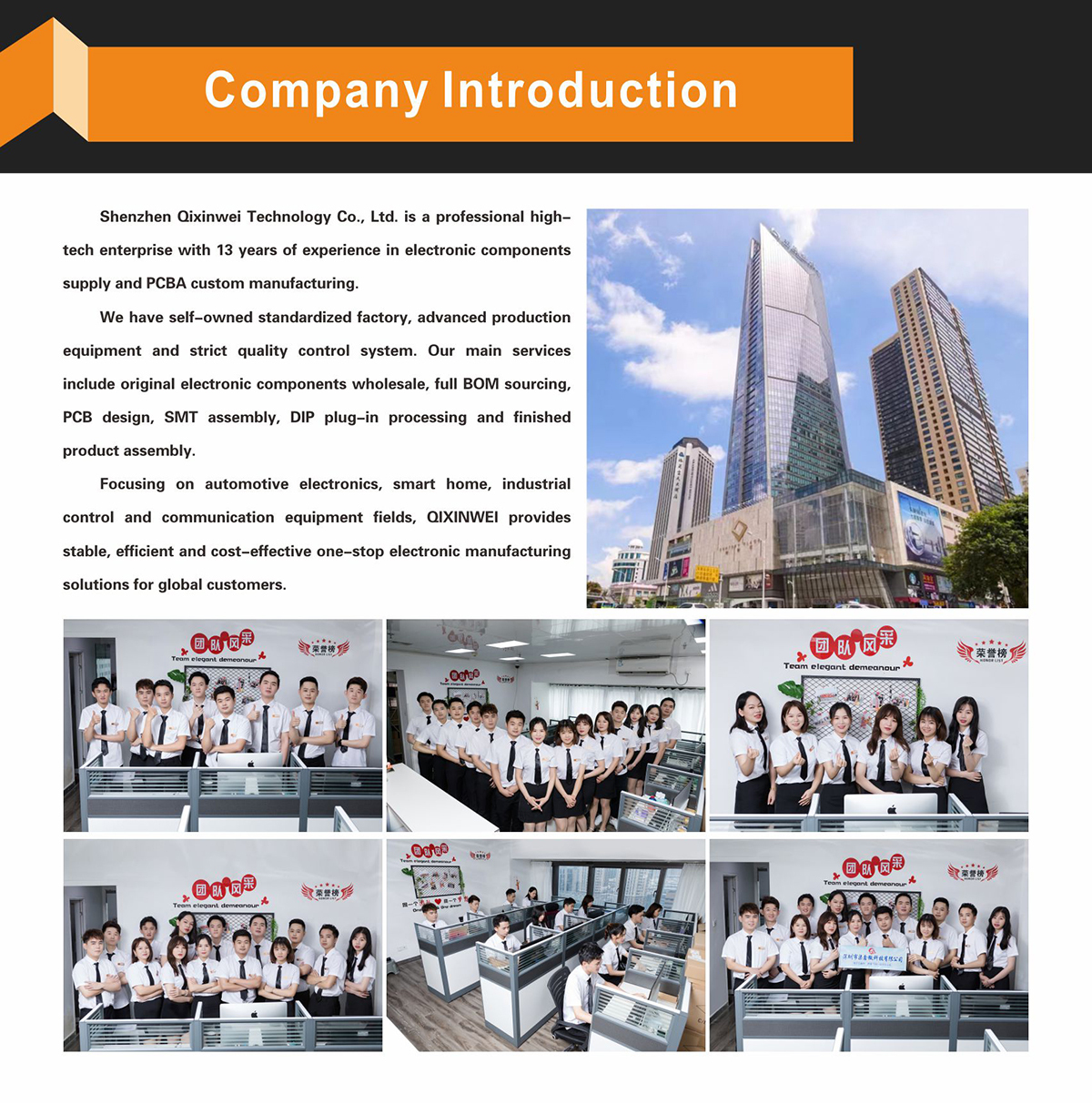
Years of experience in the electronics industry. Trusted by global customers.
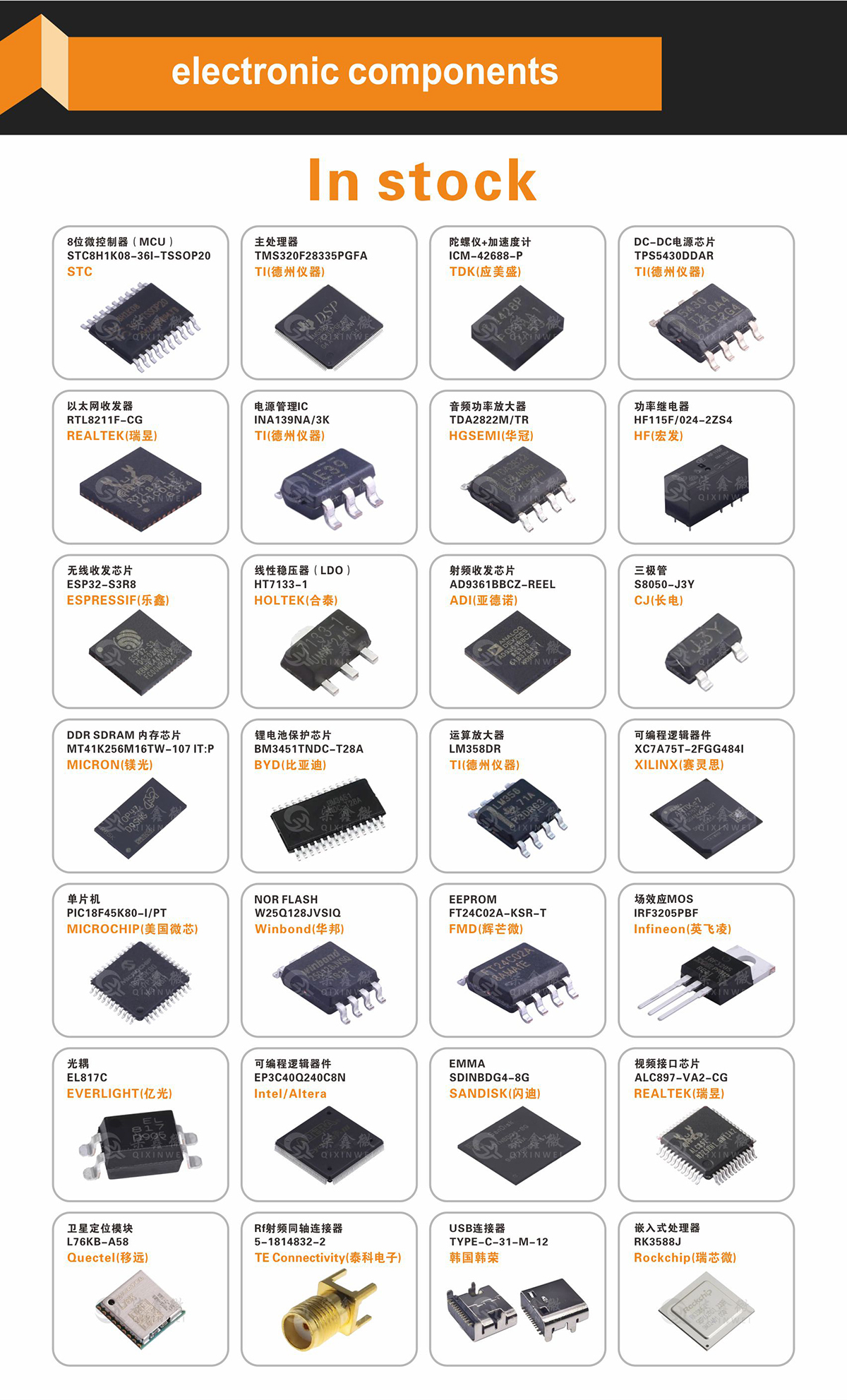
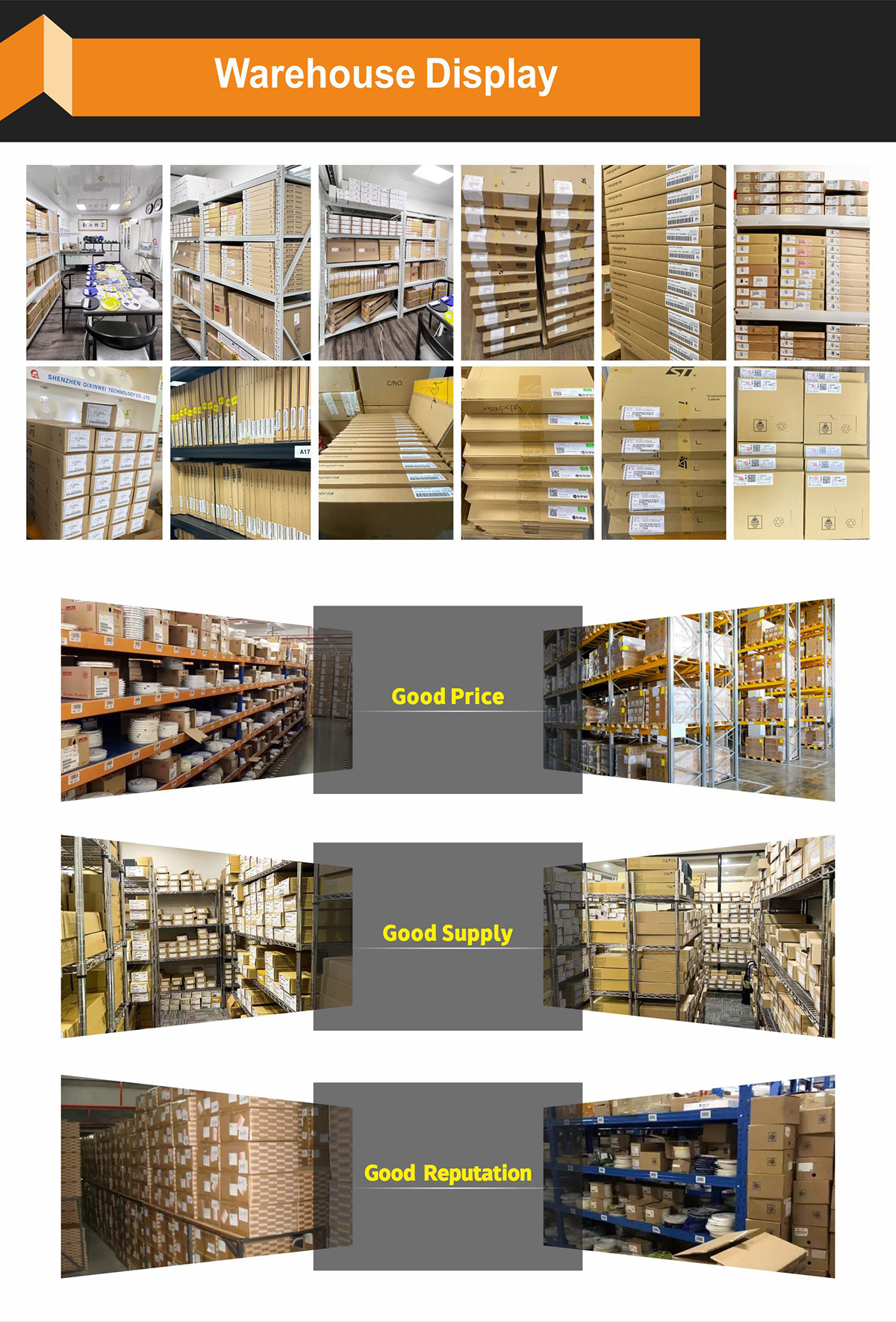
Massive In-Stock Inventory – Ready to ship promptly
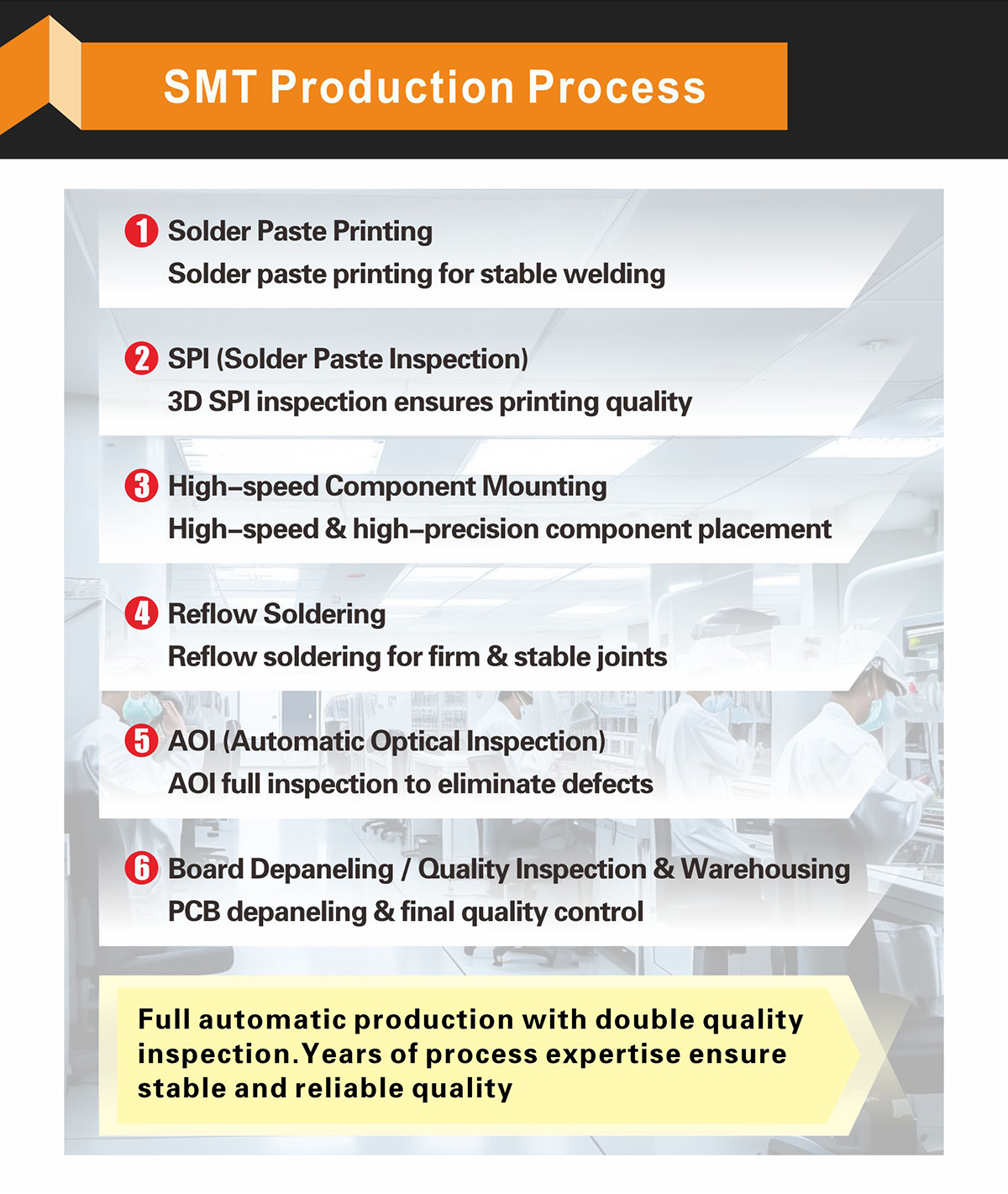
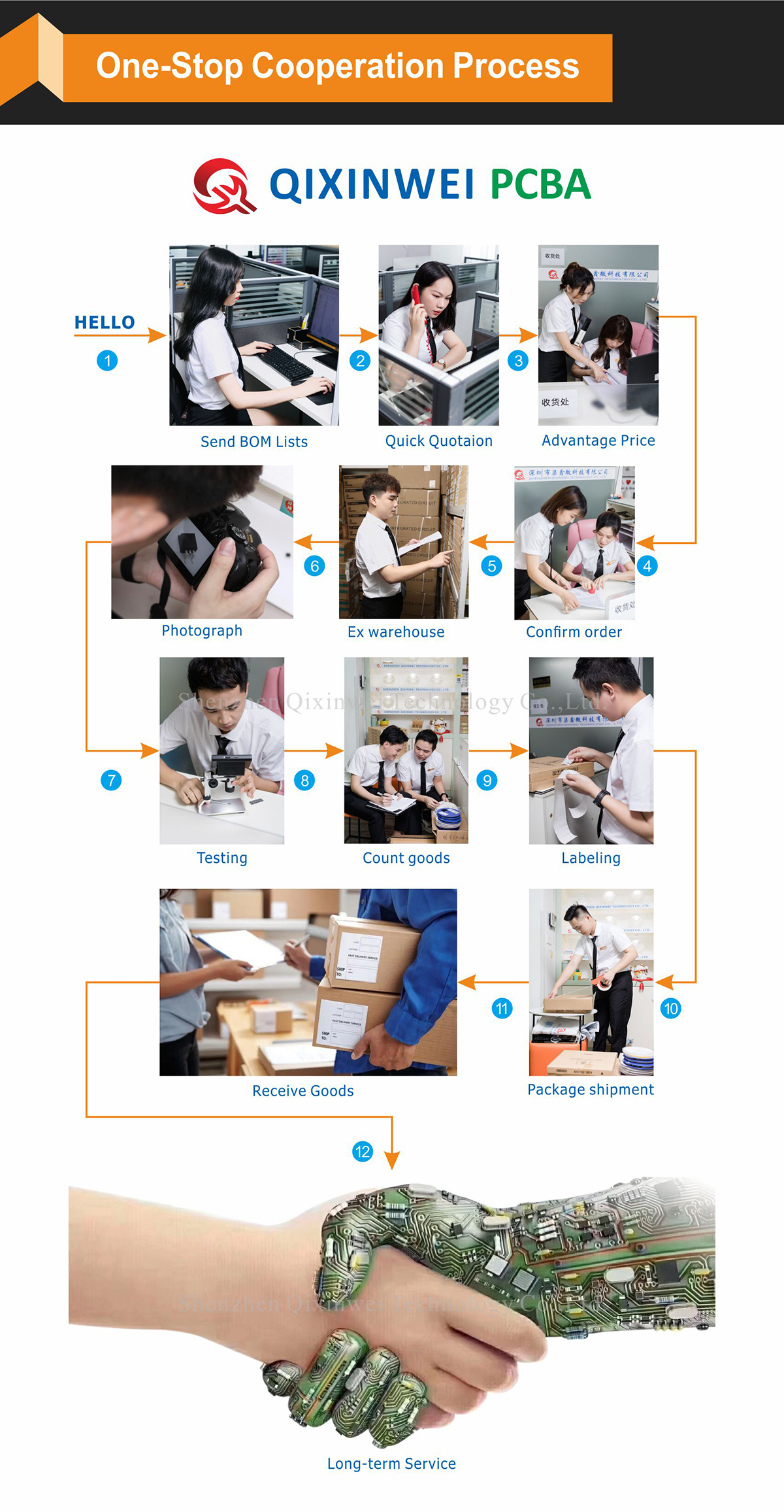
BOM Matching Service – One-stop solution, save time
PCBA Customization – Professional engineering team creates tailor-made solutions based on your needs
Cost-Effective & Efficient – Better channel, better cost
A dedicated team makes your procurement smoother.
Contact us for BOM quotes or PCBA inquiries

FAQ
1. What is the AI performance of the D‑Robotics RDK X5, and what processor architecture does it use?
The RDK X5 is built around an edge‑AI SoC featuring an octa‑core ARM Cortex‑A55 CPU and a dedicated neural processing unit (NPU) delivering up to 10 TOPS of INT8 inference performance. This heterogeneous architecture efficiently handles both real‑time control and complex vision perception in robotic systems.
2. What stereo vision capabilities does this development board support, and what is the quality of the depth output?
It natively supports binocular stereo vision via dual MIPI CSI camera interfaces, using hardware acceleration to generate dense depth maps. In typical configurations, it can output disparity maps at 720P or 1080P resolution at up to 30 fps, providing reliable environmental perception for autonomous navigation, object detection, and obstacle avoidance.
3. Which operating systems can run on the RDK X5, and how compatible is it with ROS 2?
The board is officially adapted for Ubuntu Desktop 22.04 LTS with ROS 2 Humble pre‑installed. The kernel and drivers are optimized for robotic sensor interfaces, allowing seamless use of `ros2 topic`, `rclcpp`, and virtually all core ROS 2 packages right out of the box.
4. What mainstream AI models and inference frameworks are supported by the 10 TOPS NPU?
The NPU supports TensorFlow Lite, ONNX, PyTorch Mobile, and other popular inference frameworks. With the provided model conversion tools, you can deploy pre‑trained models such as YOLO, MobileNet, and DeepLab onto the NPU for real‑time object detection, segmentation, and depth estimation. Custom operators are also supported for maximum flexibility.
5. What robot‑friendly sensor interfaces are available on the board?
The board exposes a rich set of interfaces, including: dual MIPI CSI camera ports (for stereo vision), I²C/SPI for IMU sensors, multiple UARTs (for lidars or motor controllers), USB 3.0, Gigabit Ethernet, and a 40‑pin GPIO header for servos, encoders, and various sensors.
6. How high is the power consumption of the RDK X5? Is it suitable for battery‑powered mobile robots?
When fully loaded with AI inference and SLAM, the board typically consumes 5–10 watts, depending on connected peripherals. This is significantly lower than traditional x86 industrial computers, making it highly suitable for battery‑powered autonomous mobile robots, drones, and inspection vehicles. Dynamic frequency scaling can further reduce power in idle or light‑load scenarios.
7. Can it simultaneously run SLAM and navigation stacks? What is the real‑world performance like?
Absolutely. With octa‑core CPU and NPU acceleration, the RDK X5 can smoothly execute visual SLAM algorithms such as ORB‑SLAM3 or VINS‑Fusion together with the ROS 2 Navigation 2 global planner and local controller. In typical indoor environments, it achieves centimeter‑level localization while generating real‑time occupancy grids and safely planning obstacle‑free paths.
8. How do I start my first project? Are quick‑start images and example code provided?
A pre‑loaded Ubuntu + ROS 2 system image is supplied, allowing immediate operation on first boot. Comprehensive example repositories are also provided, covering stereo depth estimation, monocular/stereo visual SLAM, and AI object detection and tracking. Developers can verify core functionality with a simple `git clone` and `ros2 run`, then quickly move into project development.
9. Can external 3D lidars and depth cameras be connected?
Yes. Through the on‑board USB 3.0 and Gigabit Ethernet, you can easily connect mainstream 3D lidars (e.g., Livox, RoboSense, Velodyne) as well as RGB‑D cameras such as Intel RealSense or Orbbec. These sensors can be fused with the stereo vision system to further improve localization and mapping accuracy and robustness.
10. Does the board support hardware video encoding/decoding? Can it be used for real‑time video streaming?
Yes, the processor includes an efficient H.264/H.265 hardware codec capable of 4K real‑time encoding and decoding. Combined with the ROS 2 image transport pipeline, you can stream locally processed images or depth maps as low‑latency, high‑quality video to a host computer, or push RTSP/RTMP streams to a monitoring center—ideal for remote driving and security robots.
- Model:
- RDK X5
- Brand:
- D-Robotics
- SoC:
- Sunrise 5
- AI Compute:
- 10 TOPS
- CPU:
- Octa-core ARM Cortex-A55 @ 1.5GHz
- GPU:
- 32 GFlops
- RAM:
- 4GB / 8GB
- Storage:
- Micro SD card slot
- CAN:
- 1×CAN FD
- GPIO:
- 40‑pin, 28 programmable GPIOs
- Applications:
- ROS robotics, AI vision, edge computing, autonomous driving, industrial automation