qixinwei-pcba


AMD Xilinx Artix-7 Series High-Performance FPGA XC7A200T-2FBG484C for Advanced Digital Systems
The XC7A200T-2FBG484C is a high-performance Field Programmable Gate Array from AMD Xilinx in the Artix-7 series, manufactured on advanced 28nm HKMG process technology. This high-density device features 215,360 logic cells, 16,825 CLB slices, 740 DSP slices, 13,455,360 bits of block RAM, and 285 user I/O pins, with internal operating frequency up to 628MHz.
The XC7A200T-2FBG484C delivers exceptional logic density and DSP processing capabilities. The device features high-speed GTP transceivers (up to 32 channels) running at up to 6.6Gb/s each with PCI Express Gen2 x4 support, and comprehensive clock management resources including MMCM and PLL. This commercial-grade device supports 0°C to 85°C operation and comes in a 23×23mm 484-pin FCBGA package.
The Artix-7 series is optimized for low-power applications, achieving over 50% power reduction compared to previous 45nm devices while delivering high DSP and logic throughput. The XC7A200T serves as the high-density model of this series, targeting cost-sensitive, high-throughput applications across wireless communications, industrial control, embedded vision, medical imaging, and aerospace.
XC7A200T-2FBG484C Core Features
High-Density Logic and Memory Resources: 215,360 logic cells with 16,825 CLB slices and 6-input LUT architecture. 13,455,360 bits of block RAM (approximately 13.5Mbits) for big data buffering, image processing, and high-performance caching
Digital Signal Processing: 740 DSP48 slices with 18x18 multipliers and 48-bit accumulators, delivering up to 929 GMAC/s for wireless baseband processing and video algorithm acceleration
High-Speed Serial Connectivity: 16 to 32 GTP transceiver channels up to 6.6Gb/s with total serial bandwidth of 211Gb/s, supporting PCIe Gen2 x4, Gigabit Ethernet, CPRI, and SRIO protocols
Flexible I/O Interface: 285 user I/O pins supporting 1.2V to 3.3V standards including LVTTL, LVCMOS, HSTL, SSTL, and LVDS. Supports DDR3 memory interface up to 1,066Mb/s
Powerful Clock Management: Integrated MMCM and PLL for clock synthesis, frequency scaling, phase shifting, and jitter filtering
Commercial Operating Temperature: 0°C to 85°C junction temperature range with MSL Level 4 (72 hours)
Package and Process: 28nm HKMG low-power CMOS process with core voltage 0.95V to 1.05V (1.0V typical). 23×23mm 484-pin FCBGA package with 1.0mm ball pitch, RoHS 3 compliant
Security Features: 256-bit AES bitstream encryption with HMAC/SHA-256 authentication and built-in SEU detection and correction for high-security applications
XC7A200T-2FBG484C Applications
Wireless Communications and 5G Infrastructure: 16-32 channels of 6.6Gb/s transceivers with 740 DSP slices for 5G base stations, SDR, and wireless backhaul equipment
Industrial Automation and Motion Control: 215K logic cells with 740 DSP slices for servo controllers, PLCs, and industrial robotics
Video and Image Processing: 13.5Mbit block RAM with 740 DSP slices for multi-channel video codec, surveillance, and machine vision
Aerospace and Defense Electronics: High reliability and performance for radar signal processing, avionics, flight control, and electronic warfare systems
Medical Imaging Systems: High DSP throughput and low power for ultrasound imaging, CT scanners, and MRI reconstruction
Data Center and Edge Computing: PCIe Gen2 x4 and high-speed memory interfaces for data center acceleration and edge computing nodes
System-on-Module: Standard FPGA device for SOMs with DDR3 memory and QSPI Flash integration
XC7A200T-2FBG484C Key Advantages
High-Density 215K Logic Capacity: XC7A200T offers the highest logic density in the Artix-7 series, enabling complex systems including multi-channel video pipelines, high-speed protocol stacks, and multi-core soft processors
Large 13.5Mbit Embedded Memory: 13,455,360 bits block RAM for video frame buffering, large packet processing, and real-time image processing
740 DSP Slices High-Performance Processing: 740 18x18 multipliers delivering up to 929 GMAC/s for parallel processing in baseband, video codec, and radar applications
High-Speed Transceivers High-Bandwidth: 16-32 transceivers at 6.6Gb/s with total bandwidth of 211Gb/s supporting PCIe Gen2 x4 and 10G Ethernet
28nm Low Power Process: 65% lower static power and 50% lower dynamic power vs 45nm predecessors
PCIe Gen2 x4 Hard IP Support: Integrated PCIe block reduces development effort and eliminates external bridge chips
Advanced Security Features: 256-bit AES encryption, HMAC/SHA-256 authentication, and SEU detection/correction for high-reliability applications
Comprehensive Development Ecosystem: Vivado design suite with complete IP core library and MicroBlaze soft processor support for rapid product development
Why Choose QIXINWEI
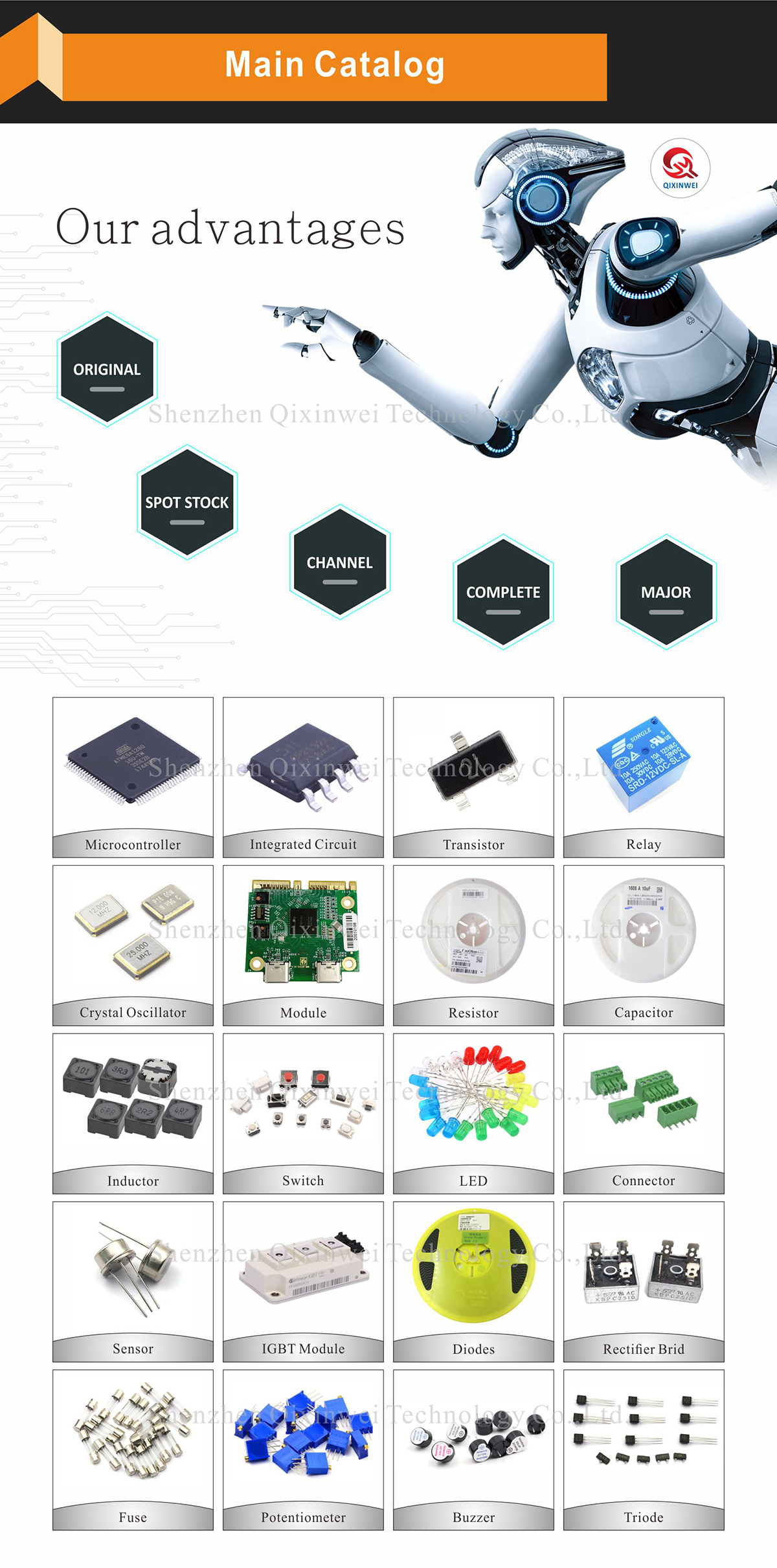
Years of experience in the electronics industry. Trusted by global customers.
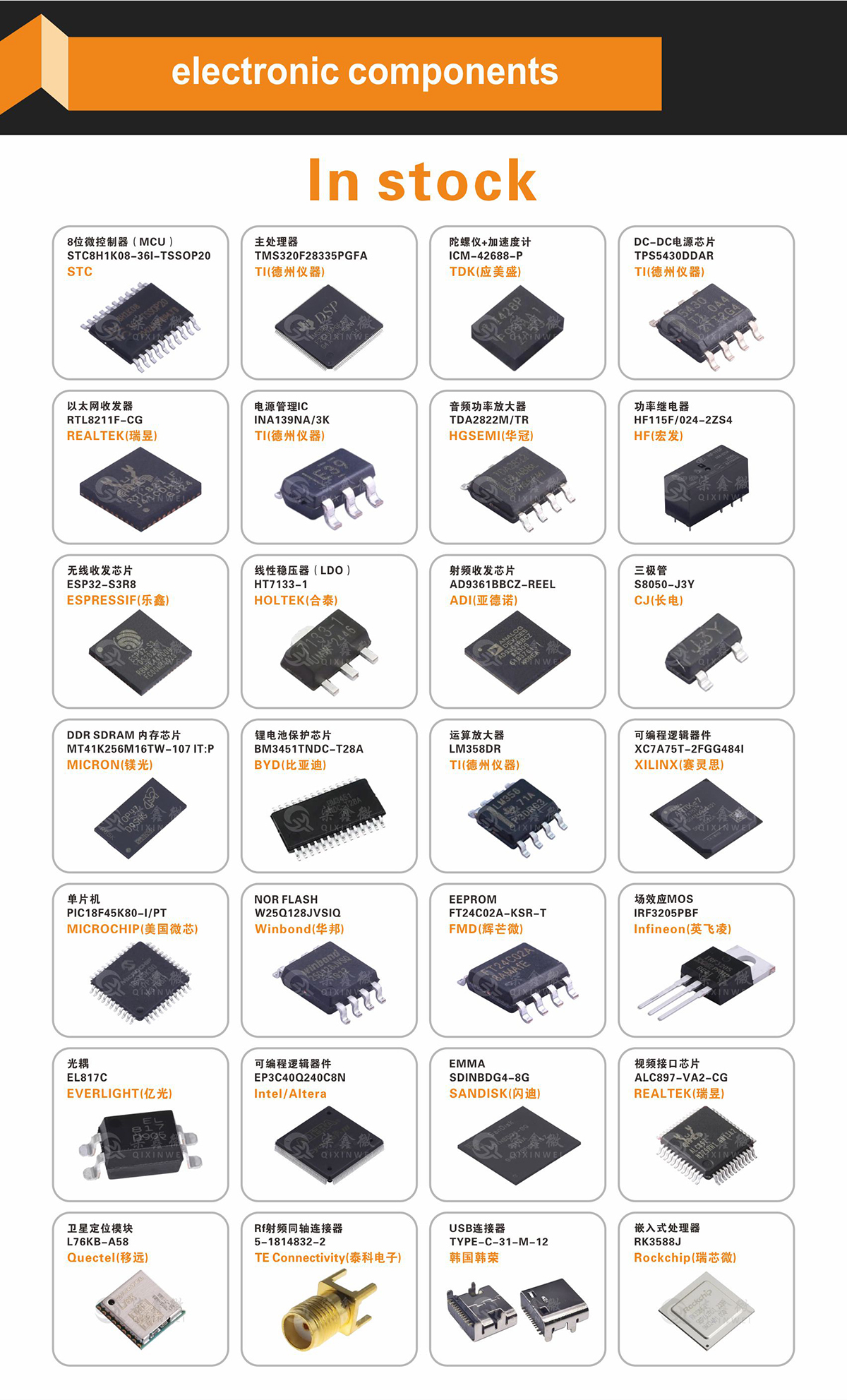
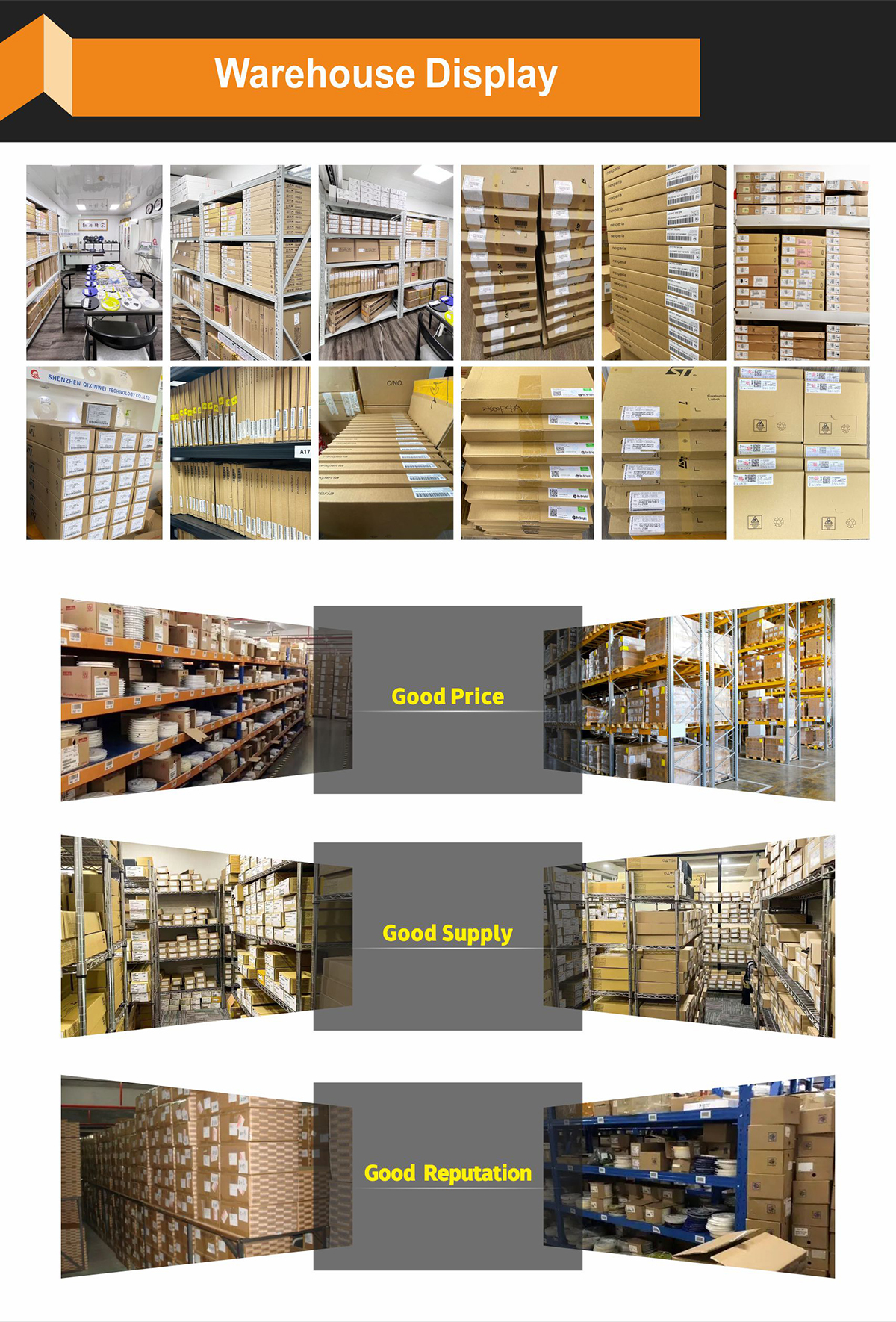
Massive In-Stock Inventory – Ready to ship promptly
BOM Matching Service – One-stop solution, save time
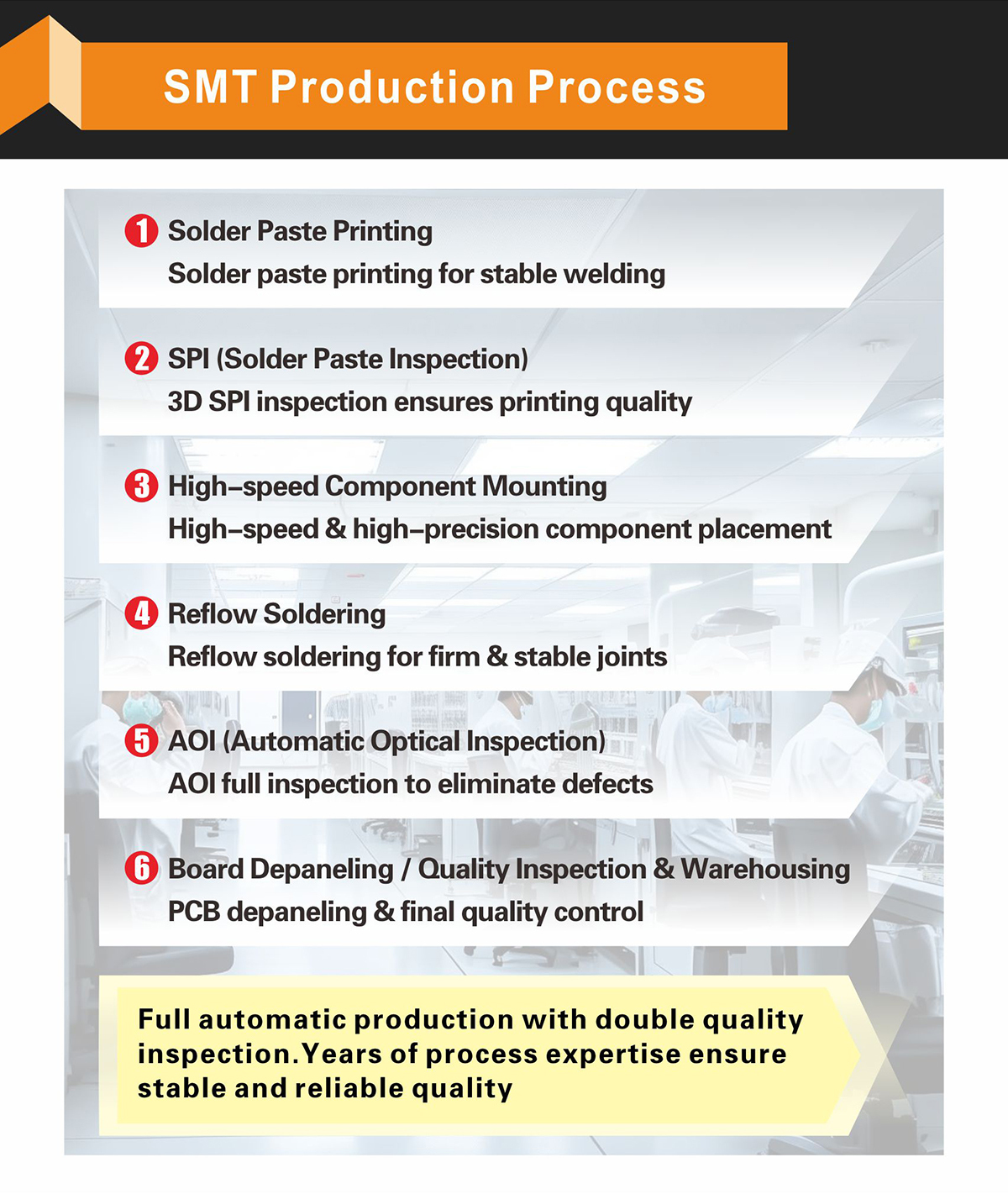
PCBA Customization – Professional engineering team creates tailor-made solutions based on your needs
Cost-Effective & Efficient – Better channel, better cost
A dedicated team makes your procurement smoother.
Contact us for BOM quotes or PCBA inquiries








FAQ:
What is the Xilinx XC7A200T‑2FBG484C and what are its core specifications?
It is a member of the Artix‑7 FPGA family, fabricated on a 28 nm process. The “200T” indicates 215,360 logic cells (∼33,000 Logic Slices), 500 DSP48E1 slices, 13,140 Kb of Block RAM (∼1.6 MB), and 16 high‑speed transceivers (GTP) supporting up to 6.6 Gbps. The “‑2” speed grade is the mid‑range performance variant, and the package is a 484‑ball fine‑pitch BGA (23 mm × 23 mm) rated for commercial temperature (0 °C to +85 °C).What is the maximum data rate of the GTP transceivers and what protocols do they support?
The 16 GTP transceivers in the XC7A200T can operate up to 6.6 Gbps. They natively support PCI Express Generation 2 (x4), SATA 3.1, XAUI, CPRI, JESD204B, and other high‑speed serial protocols. This makes the FPGA suitable for video bridging, industrial communication, and edge‑computing applications that require moderate‑speed serial connectivity.How does the Artix‑7 XC7A200T compare to the Spartan‑7 and Kintex‑7 families?
The Artix‑7 sits between the cost‑optimised Spartan‑7 and the high‑performance Kintex‑7. Compared to Spartan‑7, the Artix‑7 offers higher logic density, more DSP slices, GTP transceivers, and a wider memory interface. Compared to Kintex‑7, the Artix‑7 sacrifices some DSP and transceiver bandwidth for lower power consumption and cost. The XC7A200T is ideal for designs that need high logic capacity, PCIe/DDR3, and low power, but do not require the extreme transceiver performance of Kintex‑7.What is the maximum DDR memory bandwidth supported by the XC7A200T‑2FBG484C?
The device includes a hardened memory controller that can drive up to an 800 Mbps DDR3 interface (or 1066 Mbps for DDR3L) over a 32‑bit or wider bus. The exact throughput depends on the I/O bank configuration and board layout. With a 32‑bit DDR3‑800 interface, the peak bandwidth is approximately 25.6 Gbps. The FPGA also supports LPDDR2, LPDDR3, and DDR2 memory types.How many I/O pins does the FBG484 package provide, and what standards are supported?
The FBG484 package offers up to 285 user I/O pins. They are organised in banks that can be independently powered at 1.2 V, 1.35 V, 1.5 V, 1.8 V, 2.5 V, or 3.3 V. Supported I/O standards include LVCMOS, LVTTL, SSTL, HSTL, LVDS, and TMDS, giving the designer full flexibility to interface with legacy and modern peripherals.What is the typical power consumption of the XC7A200T, and how can I reduce it?
The power consumption depends heavily on the design’s logic utilisation, clock frequency, and I/O activity. For a typical design using 70% logic and a 200 MHz system clock, the total on‑chip power is in the range of 3‑6 W. The 28 nm process and the Artix‑7’s low‑power architecture keep static power low. You can further reduce power using Vivado’s power‑optimisation strategies, such as clock gating, partial reconfiguration, and dynamic voltage scaling.What design tools are required for the XC7A200T, and is a free license available?
The device is fully supported by AMD Xilinx Vivado Design Suite, which provides synthesis, place‑and‑route, simulation, and debugging. The free Vivado ML Standard Edition supports the Artix‑7 family without any device‑size restrictions. For advanced features such as partial reconfiguration or high‑level synthesis, a paid license may be required. Pre‑verified IP cores for DDR3, PCIe, Ethernet, and other interfaces are included in the Vivado IP catalog.How does the XC7A200T‑2 compare to the XC7A200T‑1 and XC7A200T‑3 speed grades?
The “‑2” speed grade is the mid‑performance bin, offering a 12‑15% performance improvement over the “‑1” grade for both fabric logic and transceivers. It supports higher clock frequencies and slightly faster transceiver line rates, but consumes marginally more power than the “‑1” grade. The “‑3” grade is the fastest, typically used in high‑performance systems where every picosecond counts. The “‑2” version is the most popular choice for balanced designs.What kind of configuration memory does the XC7A200T use, and how is it programmed?
It uses an external SPI or BPI Flash memory for configuration, as the Artix‑7 FPGAs are SRAM‑based and lose their configuration when powered off. The device can be programmed via JTAG, Master SPI, Master BPI, or Slave Serial/Parallel modes. The configuration file size is approximately 110 Mb. A typical design uses a commodity SPI Flash (e.g., 128 Mb or 256 Mb) for fast boot and easy field updates.What are the most typical applications for the XC7A200T‑2FBG484C in advanced digital systems?
It is widely used in industrial vision systems, software‑defined radio (SDR), multi‑axis motor controllers, medical imaging, test‑and‑measurement equipment, and high‑performance embedded computing. Its combination of 215K logic cells, 500 DSP slices, PCIe Gen2, and low power makes it a popular choice for FPGA‑based acceleration, real‑time signal processing, and complex control logic.
- Manufacturer:
- AMD Xilinx
- Product Family:
- Artix-7
- Logic Cells:
- 215,360