qixinwei-pcba


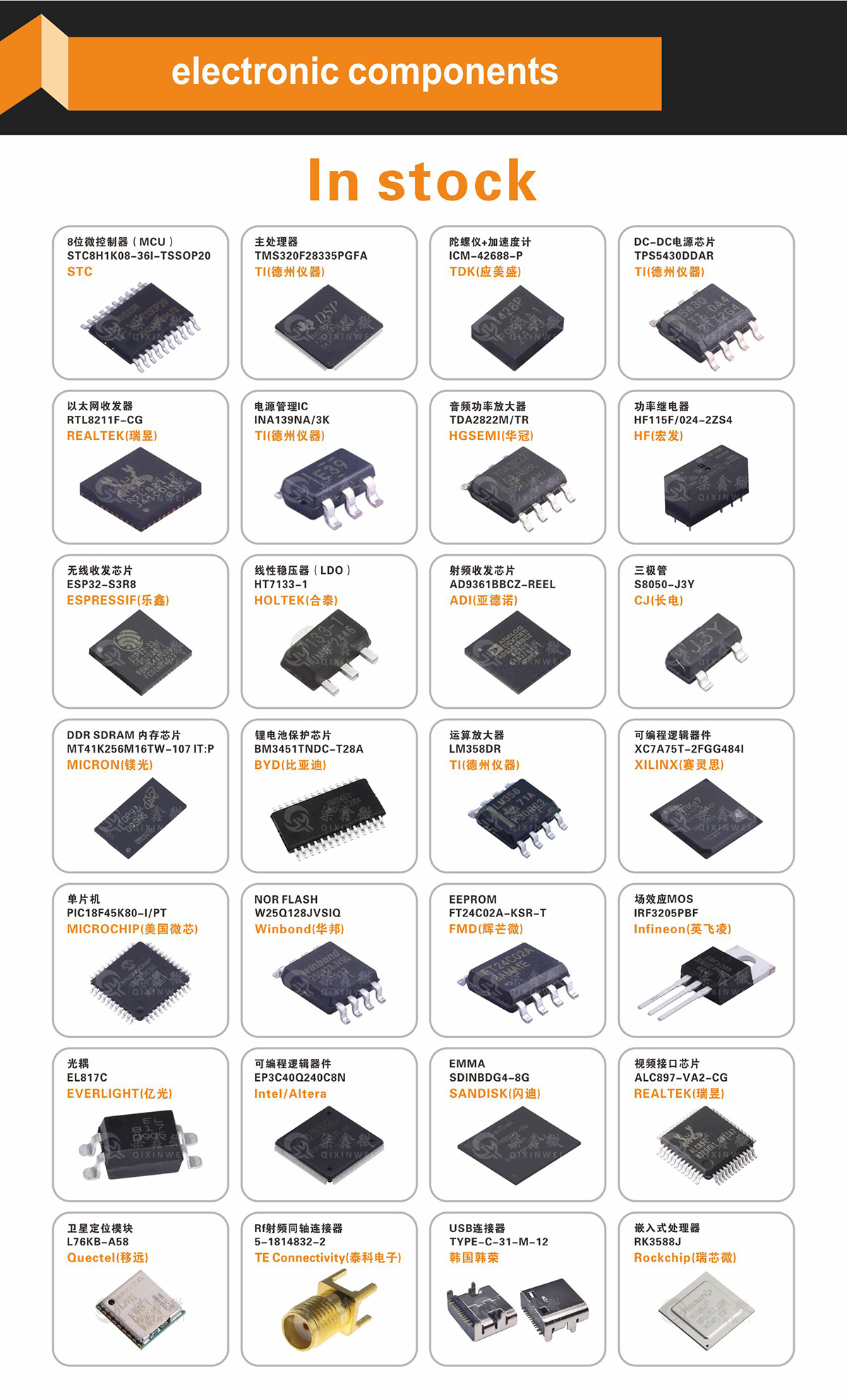
EP2S130F1020I4N Altera Stratix II FPGA 132K Logic Elements Industrial Grade 1020-FBGA
EP2S130F1020I4N Product Overview
The EP2S130F1020I4N is a high-performance industrial grade FPGA from Altera (now Intel) in the Stratix II series, manufactured on advanced 90nm full-layer copper SRAM process. The device features 132,540 Logic Elements (LEs), 6,627 Adaptive Logic Modules (LABs), 6,747,840 bits of embedded RAM, and 742 user I/O pins, operating at up to 711.24 MHz internally. This industrial grade (I grade) device supports -40°C to 100°C wide temperature operation and comes in a 1020-pin FC-FBGA package (33×33mm), making it ideal for harsh environment high-performance applications.
EP2S130F1020I4N Core Features
Logic Resources: 132,540 Logic Elements (LEs) and 6,627 Adaptive Logic Modules (LABs) for high density digital logic design
Embedded Memory: 6,747,840 total RAM bits (approx 6.74Mbit) comprising TriMatrix memory architecture with M4K, M-RAM, and M512 blocks for data intensive applications
DSP Resources: Up to 96 DSP blocks with 384 18x18 hardware multipliers for high performance filters and DSP functions
I/O Interfaces: 742 user I/O pins supporting multiple standard interfaces including PCI Express, Gigabit Ethernet, and DDR SDRAM
Maximum Frequency: Internal clock frequency up to 711.24 MHz meeting high performance timing requirements
Industrial Wide Temperature: -40°C to 100°C operating temperature range (industrial grade I), ideal for harsh environment applications
Process Technology: 90nm all-layer copper process with core voltage 1.15V to 1.25V and I/O voltage 1.5V to 3.3V support
Package Type: 1020-pin FC-FBGA (33×33mm), 1.0mm ball pitch, lead free RoHS compliant
Clock Management: Up to 12 PLLs (4 enhanced, 8 fast) supporting spread spectrum, programmable bandwidth, clock switchover, and real time PLL reconfiguration
High Speed Transceivers: Up to 1.25 Gbps source synchronous signaling with integrated DPA circuitry
External Memory Interfaces: Supports DDR SDRAM, DDR2 SDRAM, RLDRAM II, QDR II SRAM, and SDR SDRAM
Security Features: AES Advanced Encryption Standard configuration bitstream decryption, industry's first FPGA with bitstream decryption capability
EP2S130F1020I4N Applications
Communications Infrastructure: Wireless base station nodes, core routers, network switches, protocol conversion equipment
Industrial Automation: Advanced robotics control, factory automation systems, PLC controllers, automated test equipment
Military and Aerospace: Ground radar signal processing, electronic warfare systems, high reliability military embedded platforms
Medical Imaging Systems: Ultrasound beamforming, CT image reconstruction, high throughput signal processing chains
Telecom and Networking: High performance computing platforms, data center acceleration, network packet processing
Video and Image Processing: Multi-channel HD video codec, image scaling, object recognition algorithms
EP2S130F1020I4N Key Advantages
High Logic Density: Stratix II series advantage lies in high logic density with 132K LE capacity for extremely complex digital logic, device densities approaching 180K equivalent LEs
Industrial Grade Wide Temperature Reliability: I grade industrial device supports -40°C to 100°C operation, ideal for extreme environment and harsh industrial control applications compared to commercial grade 0°C to 85°C
TriMatrix Memory Architecture: Industry leading TriMatrix memory with three RAM block sizes supporting true dual-port memory and FIFO buffer implementation with up to 9Mbits total RAM
High Performance DSP Processing: Up to 96 DSP blocks and 384 18x18 multipliers supporting up to 450MHz multipliers, multiply-accumulate, and FIR filters
Rich Clock Management: 12 PLLs provide complete clock management solution with spread spectrum, programmable bandwidth, and dynamic clock network enable/disable
Mature IP Ecosystem: Altera provides rich IP cores including PCI Express, RapidIO bridge controller, Viterbi decoder, and 32/64-bit PCI-X interfaces
Comprehensive Design Tool Support: Quartus II software provides complete development environment including HDL/Schematics design entry, synthesis, timing analysis, and SignalTap II logic analyzer
High Speed Differential Signal Support: Up to 1.25 Gbps source synchronous signaling with DPA circuitry for backplane communication and high speed ADC/DAC data acquisition
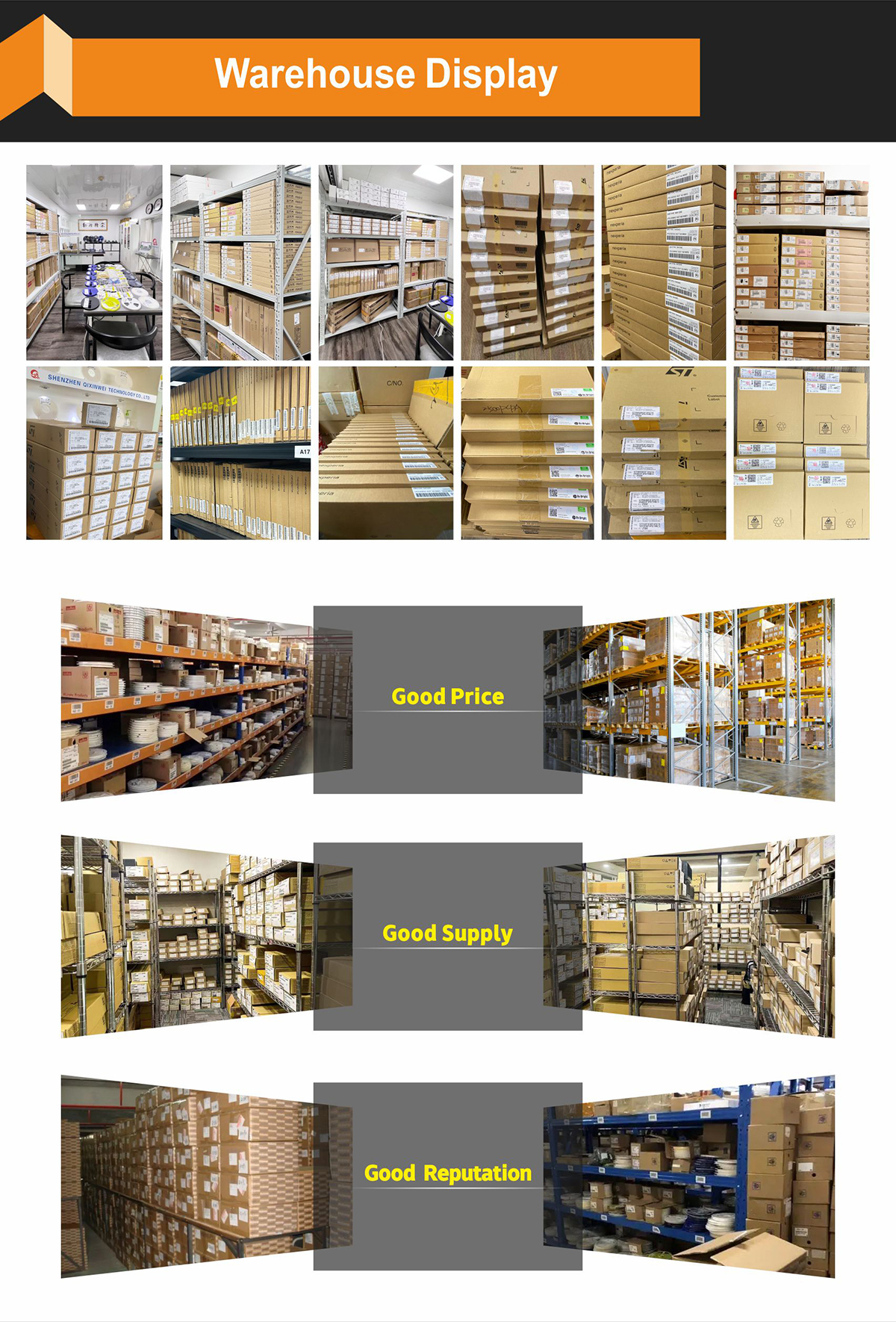
Stable Supply Chain: Although obsolete, abundant global inventory supports equipment maintenance and long life project procurement
Lead Free Environmentally Friendly Package: RoHS compliant lead free process meeting environmental compliance requirements
Why Choose QIXINWEI
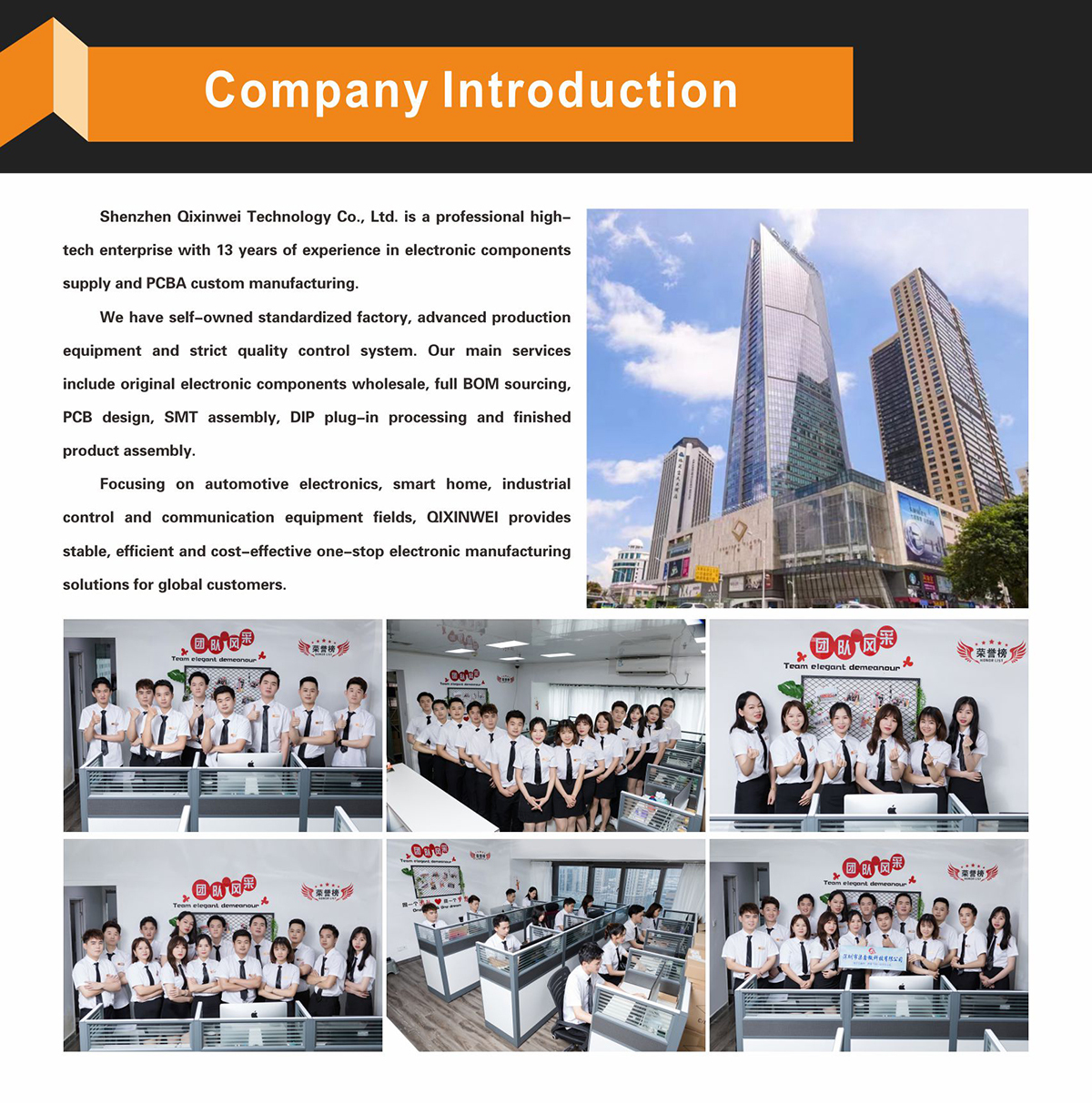
Years of experience in the electronics industry. Trusted by global customers.
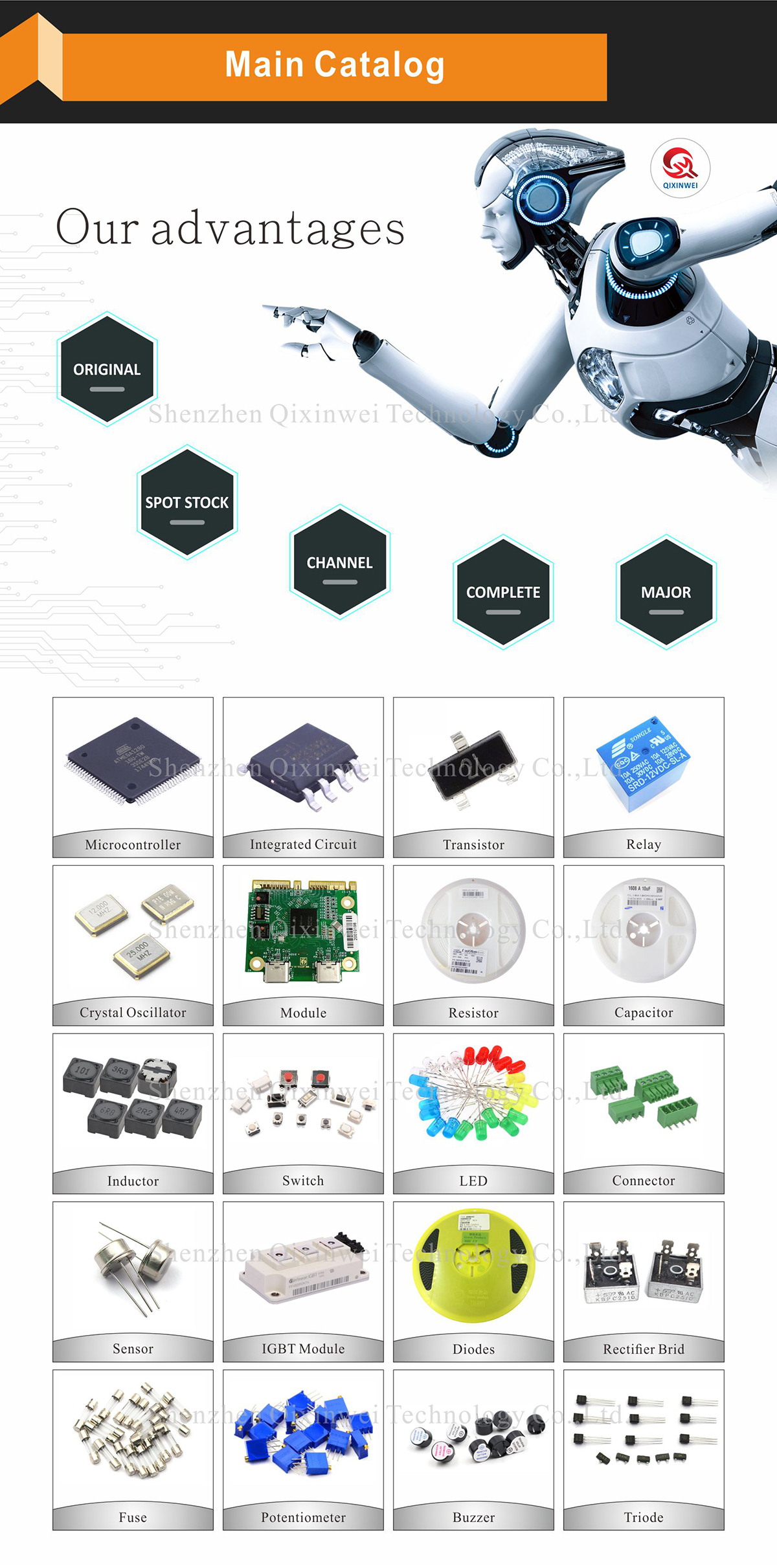
Massive In-Stock Inventory – Ready to ship promptly
BOM Matching Service – One-stop solution, save time
PCBA Customization – Professional engineering team creates tailor-made solutions based on your needs
Cost-Effective & Efficient – Better channel, better cost
A dedicated team makes your procurement smoother.
Contact us for BOM quotes or PCBA inquiries





FAQ:
What is the EP2S130F1020I4N and its key specifications?
This is an Altera Stratix II FPGA built on a high‑performance 90 nm process. It provides approximately 132,540 equivalent logic elements (LEs), 6.7 Mbits of embedded RAM (M4K and M‑RAM blocks), 252 dedicated 18×18 multipliers (equivalent to 504 9×9 multipliers), and 6 advanced PLLs. The device is housed in a 1020‑pin FineLine BGA (FBGA1020) package, offering up to 742 user I/O pins. It operates from a 1.2 V core voltage, and the “‑4” speed grade indicates a moderate speed bin, while “I” guarantees industrial temperature operation (‑40 °C to +100 °C). The “N” suffix designates a lead‑free package. This FPGA is designed for complex, high‑performance logic and DSP applications that require industrial‑grade reliability.How does the EP2S130 compare to other Stratix II variants like the EP2S180?
The Stratix II family scales logic density and resources. The EP2S130 sits in the middle with 132K LEs, while the EP2S180 offers 179K LEs and more block RAM and multipliers. Both are available in the same 1020‑pin FBGA package and are pin‑compatible, allowing seamless migration if additional logic or DSP is needed. The EP2S130 provides a balanced mix of logic, memory, and I/O for many mid‑to‑high‑range designs, whereas the EP2S180 is suited for the largest, most resource‑demanding applications.What is the difference between Stratix II and Stratix II GX?
The Stratix II family (like the EP2S130) focuses on logic density, memory, and DSP with high I/O count, but does not include high‑speed serial transceivers. The Stratix II GX family adds built‑in multi‑gigabit transceivers (up to 6.375 Gbps) for protocols like PCIe, Gigabit Ethernet, and Serial RapidIO. If your application requires high‑speed serial connectivity directly from the FPGA, choose a Stratix II GX device; for pure logic, DSP, and parallel interfaces, the Stratix II (without GX) is a more cost‑effective choice.How many I/O pins does the FBGA1020 package provide, and what standards are supported?
The FBGA1020 package delivers up to 742 user I/O pins. These I/Os are organized in banks that support a wide array of single‑ended and differential standards: LVTTL, LVCMOS (1.2 V–3.3 V), SSTL, HSTL, LVDS, LVPECL, and more. Each I/O features programmable drive strength, slew rate, and on‑chip termination (OCT). This high pin count and flexibility make the device ideal for complex memory interfaces (DDR/DDR2/QDR SRAM), wide parallel buses, and high‑speed LVDS links without external termination resistors.What block RAM and DSP resources are available on the EP2S130?
The EP2S130 contains 6.7 Mbits of embedded RAM, implemented as M4K blocks (4 Kbits each, true dual‑port) and larger M‑RAM blocks (512 Kbits each). For digital signal processing, it includes 252 dedicated 18×18 multiplier blocks, which can be split into two independent 9×9 multipliers. These DSP blocks support up to 350 MHz operation and are ideal for implementing FIR filters, FFTs, complex math, and video processing pipelines.What does the “‑4” speed grade and “I” temperature designation mean?
The “‑4” is the speed grade — in Altera’s numbering for Stratix II, lower numbers indicate faster devices (‑3 is faster than ‑4, ‑5 is slower). The ‑4 grade provides balanced performance for most applications, with system clock speeds comfortably exceeding 200 MHz. The “I” suffix guarantees industrial temperature range operation (‑40 °C to +100 °C), making the device suitable for outdoor, automotive, and factory‑floor environments. Together, “‑4I” ensures both moderate speed and wide‑temperature reliability.How do I configure and program the EP2S130? What development tools are needed?
The Stratix II uses SRAM‑based configuration and requires an external non‑volatile memory — typically an Altera EPC configuration device (EPC16/EPC8) or a MAX II CPLD. Configuration modes include Fast Passive Parallel (FPP), Active Serial (AS), and JTAG. Design entry, synthesis, and place‑and‑route are performed with Intel Quartus Prime Standard Edition (or the older Quartus II, which fully supports Stratix II). A USB‑Blaster download cable is used for programming. The built‑in SignalTap II logic analyzer enables real‑time debugging.What is the typical power consumption and what are the supply voltages?
The core voltage is 1.2 V, while I/O banks can be powered independently at 1.2 V, 1.5 V, 1.8 V, 2.5 V, or 3.3 V. Static power is very low for a device of this density, typically under 1 W. Dynamic power depends on resource usage and clock frequency; a typical well‑optimized design may consume between 2 W and 8 W. Adequate thermal management (heatsink and airflow) is recommended for sustained high‑performance operation. The 90 nm process and advanced power‑gating help keep total power within manageable limits for industrial equipment.How does the Stratix II family compare to the earlier Stratix I or later Stratix III?
Compared to the Stratix I, the Stratix II offers ~50 % higher logic density, faster memory, more DSP blocks, and improved PLLs. The Stratix III (65 nm) improves on Stratix II with higher density, lower power, and advanced features like Programmable Power Technology. However, the Stratix II remains a proven, mature, and reliable platform, still widely used in legacy industrial, aerospace, and test‑and‑measurement systems where redesign is not an option. It provides excellent signal integrity and a long lifecycle.What are the most typical applications for the EP2S130F1020I4N?
This industrial‑grade FPGA is commonly found in military and aerospace systems, high‑performance test and measurement equipment, medical imaging, broadcast video processing, industrial motor controllers, and complex embedded computing platforms. Its large logic capacity, abundant I/O, DSP resources, and wide‑temperature reliability make it a solid choice for demanding applications that require a proven, long‑lifecycle device.
- DSP Modules:
- 96 DSP blocks with 384 18×18 multipliers
- I/O Pins:
- 742 user I/O pins
- Max Frequency:
- 711.24 MHz
- Temperature Range:
- -40°C to 100°C (Industrial Grade I)
- Package Type:
- 1020-FBGA (33×33mm), 1.0mm ball pitch
- Supply Voltage:
- 1.15V to 1.25V core voltage
- Product Family:
- Altera Stratix II series FPGA
- Logic Elements:
- 132,540 Logic Elements (LEs)
- Logic Blocks:
- 6,627 Adaptive Logic Modules (LABs)
- Embedded Memory:
- 6,747,840 total RAM bits (approx 6.74Mbit)