qixinwei-pcba


2A Boost Converter DC-DC Step-Up Module MT3608 2-24V to 5-28V Adjustable High Current Booster Power Module Micro/Type-C Interface
2A boost converter module Product Overview
This 2A boost converter module is a high-efficiency DC-DC step-up module based on the MT3608 chip, capable of boosting an input voltage of 2V to 24V to an adjustable output of 5V to 28V. It delivers up to 2A output current (1A recommended for continuous use) with an efficiency of over 93%. Available in Micro USB and Type-C interface versions, this compact module is ideal for lithium battery boosting, power banks, portable device power supplies, LCD backlight drivers, LED drivers, and various other boost applications.
2A boost converter module Core Features
Wide Input Voltage Range: Supports DC 2V to 24V input, compatible with single-cell Li-ion (3.7V), dual-cell Li-ion (7.4V), USB 5V, 12V adapters, and more.
Wide Output Voltage Range: Output continuously adjustable from 5V to 28V (26V recommended max) via onboard potentiometer.
2A High Output Current: Maximum output current of 2A (1A recommended for continuous operation).
High Efficiency: Conversion efficiency over 93% (depends on input/output voltage differential).
Two Interface Versions: Available with Micro USB or Type-C input ports.
Compact Size: Micro version 30.1×17mm, Type-C version 31.1×17.4mm.
Potentiometer Adjustment: Onboard precision potentiometer for easy voltage adjustment.
2A boost converter module Applications
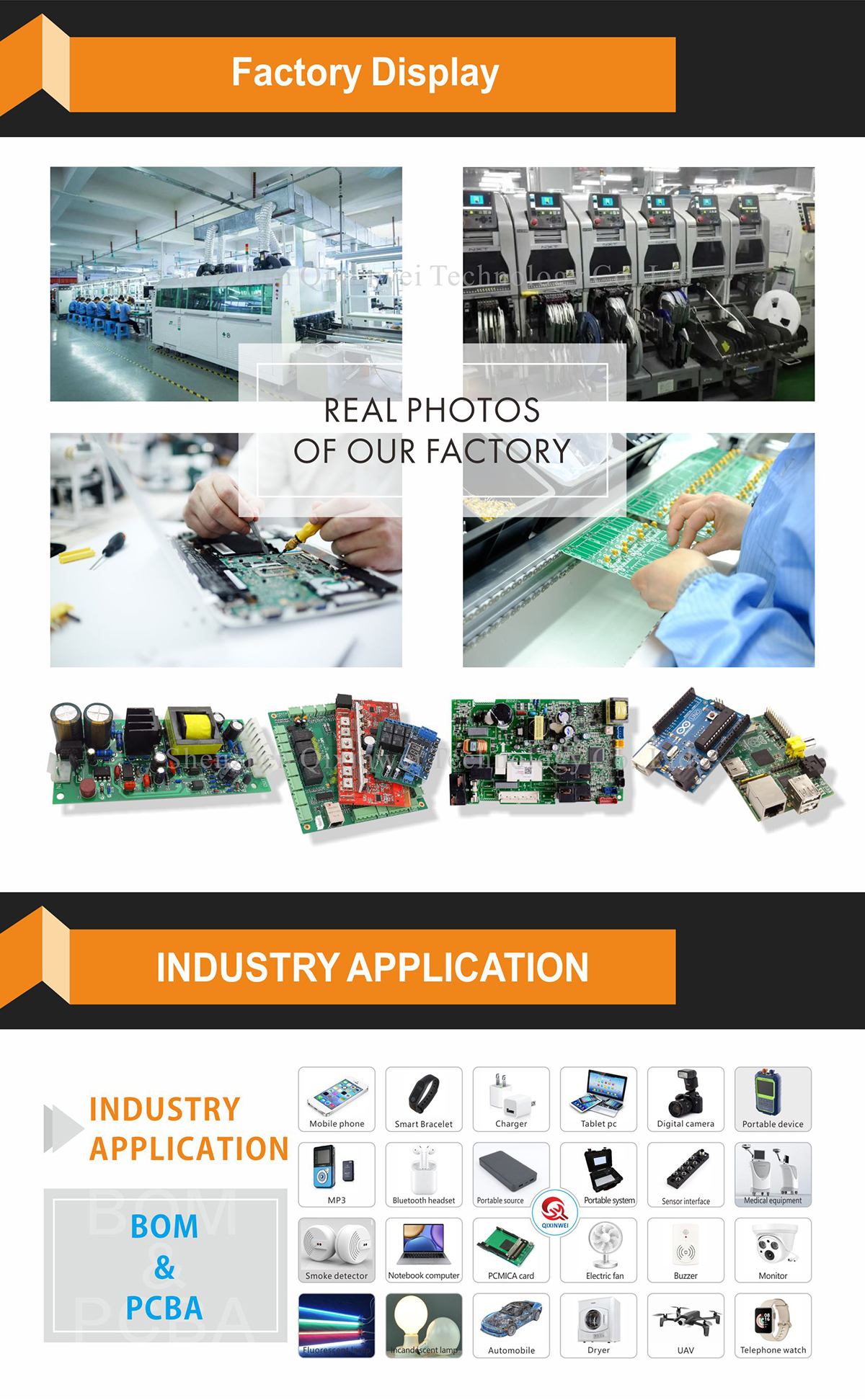
Lithium Battery Boosting: Boost 3.7V Li-ion to 5V for phone charging, or to 9V/12V for portable devices.
Power Banks / Mobile Power: Step-up output stage for USB 5V output.
LCD Backlight Driver: Provide stable backlight voltage for LCD displays.
LED Strip Driver: Boost power for 12V/24V LED strips.
DIY Adjustable Power Supply: Build a portable adjustable boost power supply.
Sensor/Module Power: Provide 5V-12V power for sensors or wireless modules.
2A boost converter module Key Advantages
Ultra-Wide Input for Flexible Application: 2-24V input range covers almost all common low-voltage DC sources.
Continuously Adjustable Output: 5-28V output range meets multiple voltage needs with a single module.
High Efficiency, Low Heat: Over 93% efficiency means less energy loss and lower heat generation.
Compact Size for Easy Integration: Only 30×17mm, fits easily into portable devices and products.
Micro/Type-C Dual Version Options: Choose the interface that best matches your cables and adapters.
Excellent Value: MT3608 solution offers lower cost and stable performance for DIY and mass production.
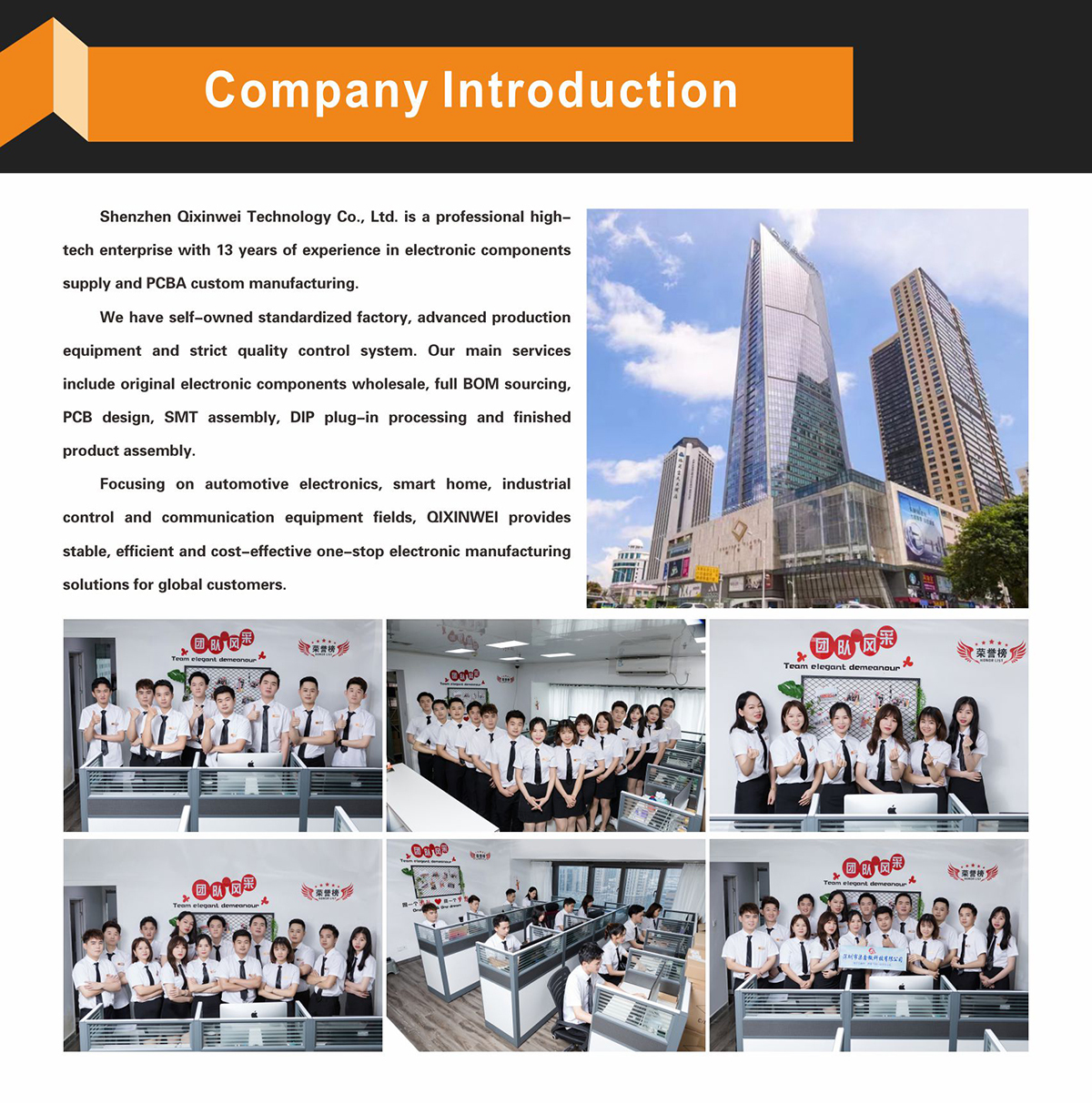
Why Choose QIXINWEI
Years of experience in the electronics industry. Trusted by global customers.
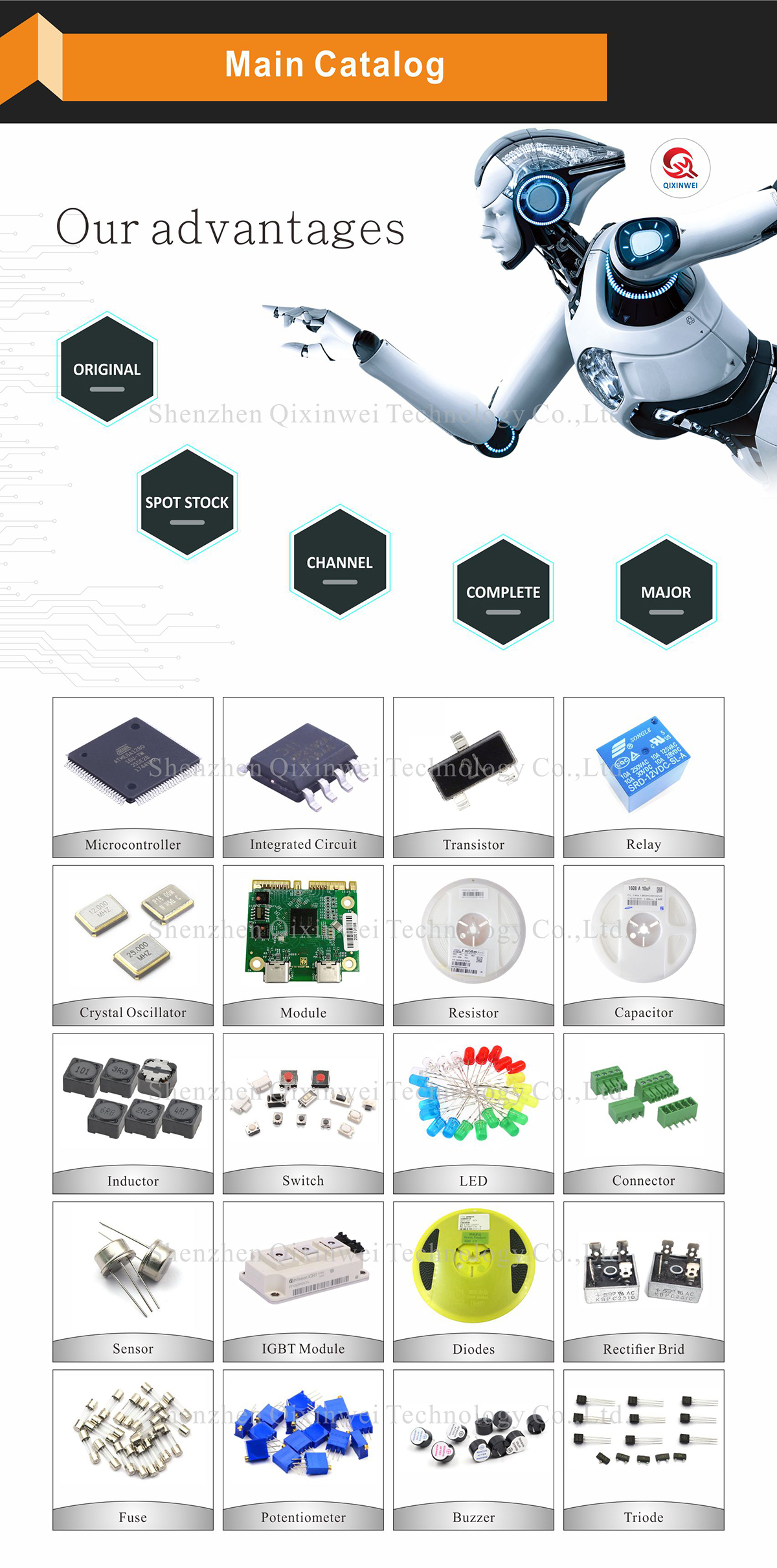
Massive In-Stock Inventory – Ready to ship promptly
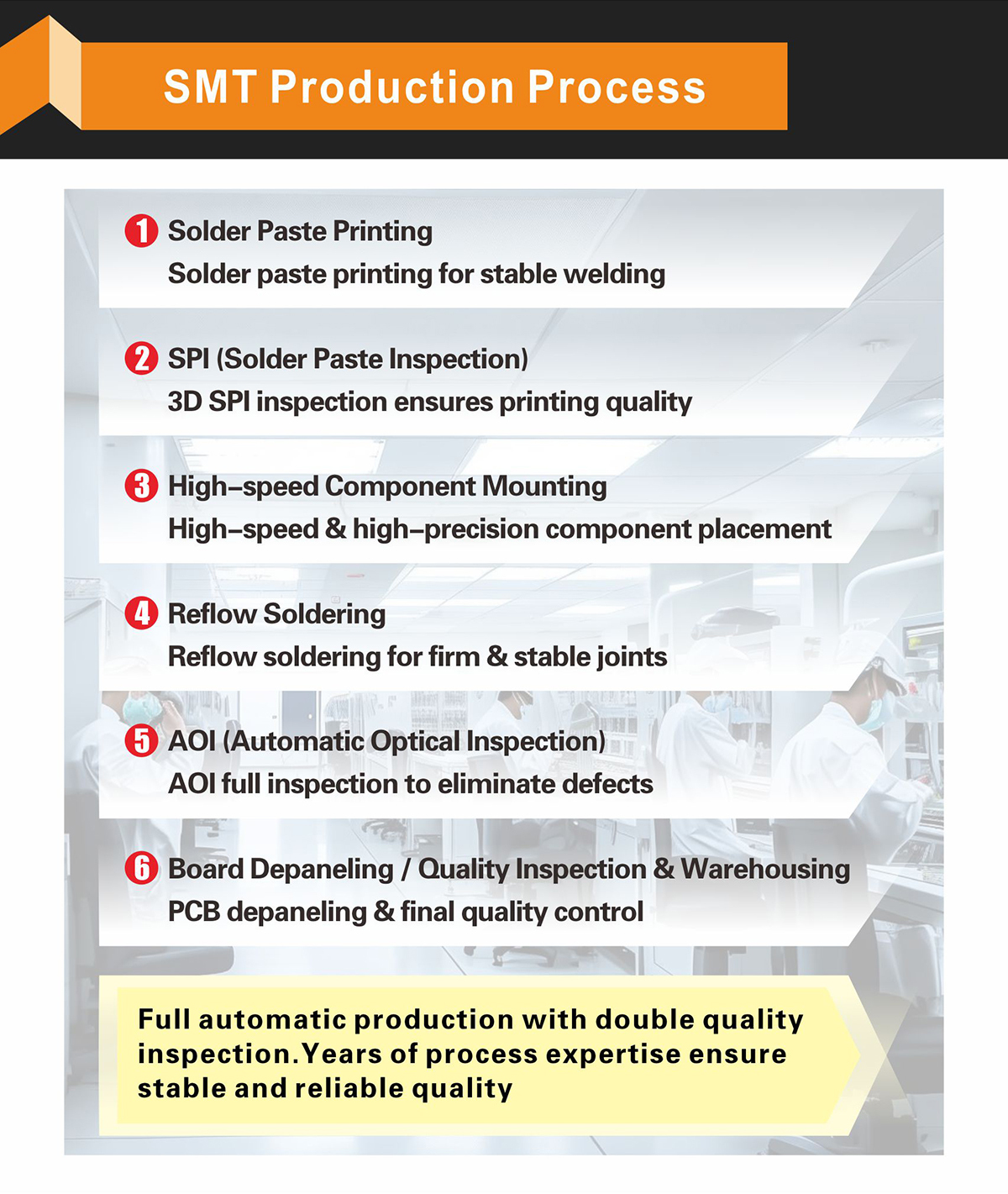
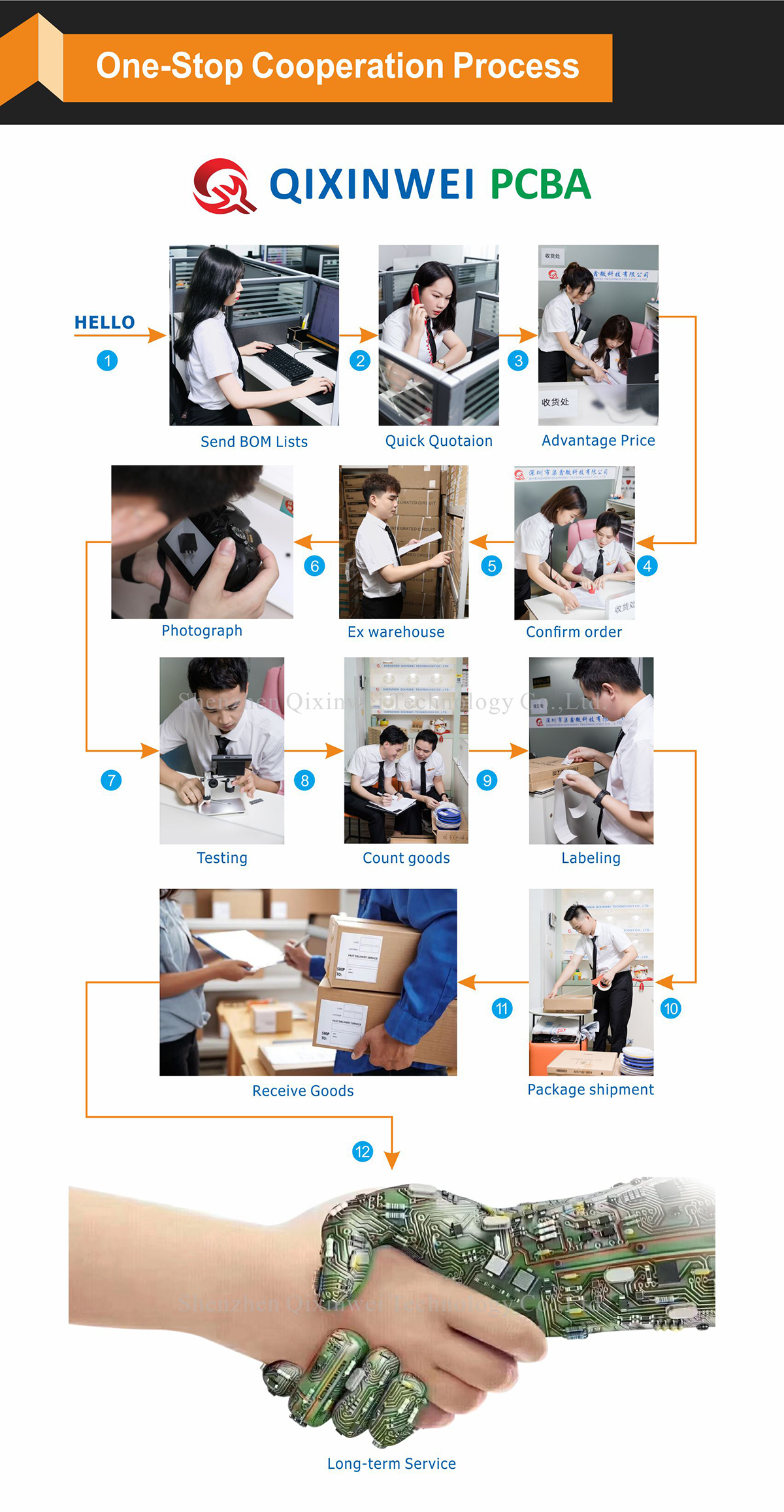
BOM Matching Service – One-stop solution, save time
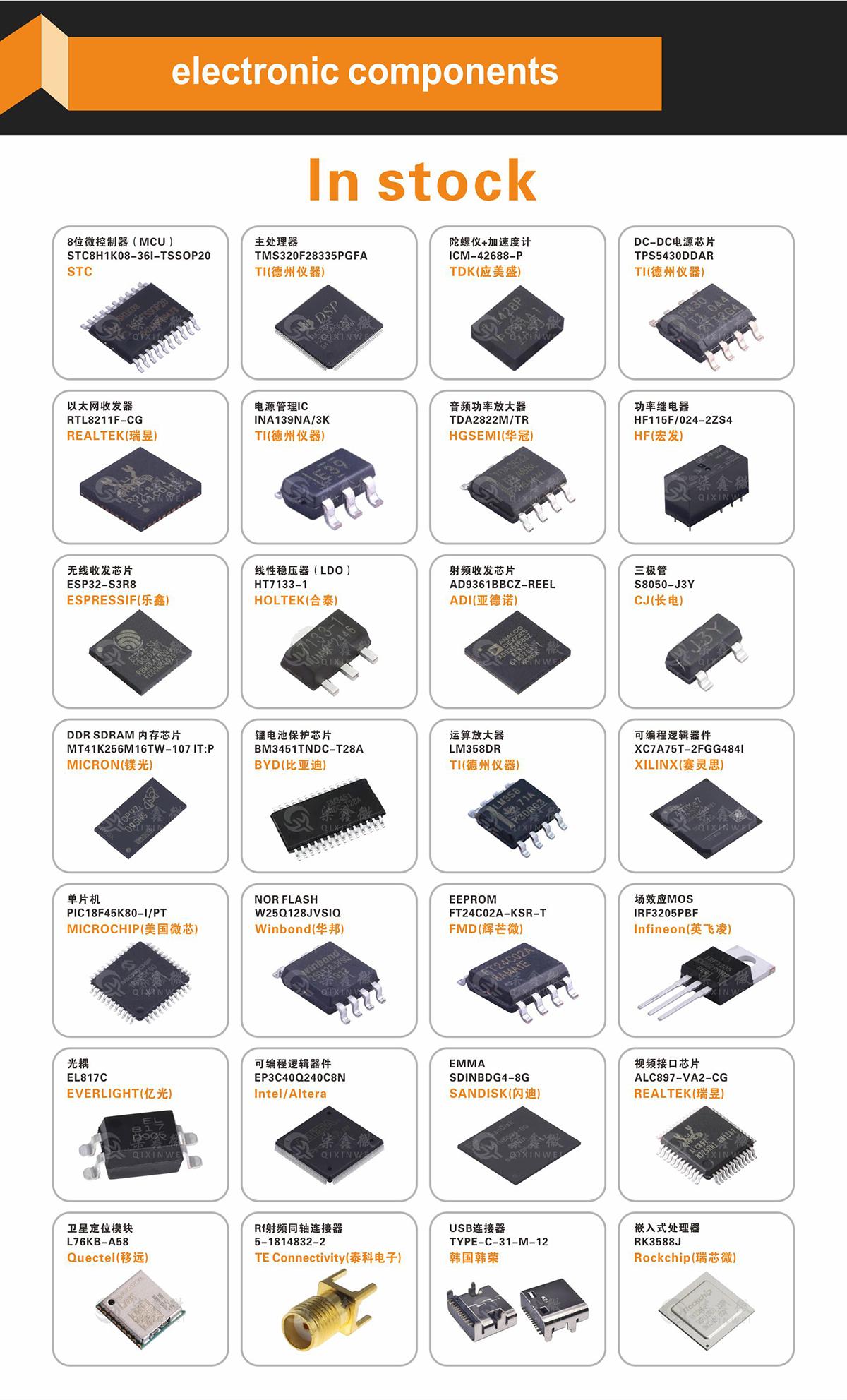
PCBA Customization – Professional engineering team creates tailor-made solutions based on your needs
Cost-Effective & Efficient – Better channel, better cost
A dedicated team makes your procurement smoother.
Contact us for BOM quotes or PCBA inquiries


FAQ:
What is the MT3608 boost converter module and what are its typical specifications?
It is a compact DC‑DC step‑up power module based on the MT3608 chip, capable of boosting an input voltage of 2‑24V to an adjustable output of 5‑28V, with a maximum switching current of 4A and a recommended continuous output current of up to 2A. The module often comes with a multi‑turn potentiometer for fine voltage adjustment, and either a Micro USB or a USB Type‑C input socket for convenient power delivery.What is the maximum output current I can realistically get from this MT3608 module?
The module is rated for a peak switching current of 4A and a typical continuous output of 2A, but the actual output current depends heavily on the input voltage and the output voltage setting. With a low input voltage (e.g., 3.7V from a Li‑ion cell) and a high output voltage (e.g., 12V), the maximum usable output current drops to around 0.6‑0.8A due to input current limitations. For a 5V input to 12V output, you can expect about 1.2‑1.5A.What is the conversion efficiency of the MT3608 module, and how can I improve it?
Typical efficiency is between 85% and 93%, peaking when the input and output voltage difference is moderate. To get the best efficiency, keep the input voltage as close to the output voltage as possible, use short and thick input/output wires, and avoid running the module at its absolute maximum current. Adding a small heat sink to the MT3608 chip can also help maintain high efficiency under heavy load by reducing thermal losses.How do I adjust the output voltage on the MT3608 module? Is there a fixed-voltage version?
The module features a small brass potentiometer (usually a 3296W multi‑turn trimmer). Turn it clockwise to increase the output voltage, counter‑clockwise to decrease. Always connect a multimeter to the output before attaching your load, and adjust slowly. There is no fixed‑output version from most manufacturers; the adjustable design is the default.Does the MT3608 module support USB Power Delivery (PD) or Quick Charge? Can I use it with a Type‑C power source?
No. The MT3608 module does not negotiate USB PD or Quick Charge protocols. The Type‑C or Micro USB connector simply feeds the raw 5V from a standard USB port or charger into the boost circuit. It will not request higher voltages from a PD charger. For fixed 5V sources, it works perfectly; for higher‑voltage PD sources, you need a separate trigger board.Why does the output voltage drop under load, and how can I fix it?
Voltage sag under load is common with small boost modules and is usually caused by thin input wires, a weak power source, or the inductor saturating. To minimise sag, use a power supply rated for at least 1.5‑2 times your expected input current, solder thick copper wires directly to the module pads, and ensure the input capacitor is adequate. If the drop persists, the module is likely reaching its current limit.Is it normal for the MT3608 module to get hot during operation? How hot is too hot?
Yes, the MT3608 chip and the inductor can become quite warm under load, especially when the current exceeds 1A or the input‑output voltage difference is large. Surface temperatures up to 70‑80°C are common and usually within safe limits, but if you cannot hold your finger on the chip for more than a second, you should reduce the load or add a small heat sink to prevent thermal shutdown.Can I use this MT3608 module to charge a battery or power sensitive electronics?
It is not recommended for direct battery charging, as it lacks a proper constant‑current/constant‑voltage charging profile. For sensitive electronics, the output ripple can be higher than that of a linear regulator. Adding a low‑ESR capacitor (e.g., 100‑220 µF) across the output and, if necessary, an LC filter can clean up the output noise enough for most audio and microcontroller projects.What is the difference between the Micro USB and Type‑C versions of this module?
The only difference is the input connector. Electrically they are identical; the Type‑C version simply has a Type‑C receptacle soldered on the board instead of Micro USB, making it easier to use with modern cables. Both receive 5V passively—the Type‑C version does not implement the 5.1kΩ CC resistor configuration required for USB‑C compliant detection on some chargers, so it works best with USB‑A to Type‑C cables.What are the most common applications for the MT3608 booster module?
It is widely used for powering 12V or 24V devices from USB or a single Li‑ion battery: portable audio amplifiers, small motors, LED strips, Arduino/Raspberry Pi projects, and field test equipment. Its compact size and wide input range make it a versatile building block for DIY and low‑power industrial prototypes.
- Model:
- 2A Boost Converter
- Core IC:
- MT3608
- Module Type:
- Non-isolated Boost
- Input Voltage:
- DC 2V – 24V
- Output Voltage:
- DC 5V – 28V continuously adjustable
- Output Current:
- 2A max
- Conversion Efficiency:
- >93%
- Input Interface:
- Micro USB / Type-C
- Operating Temperature:
- -40℃ to +85℃
- Applications:
- Li-ion boosting, power banks, LCD backlight, LED driver, portable device power, DIY adjustable power supply