Electronic components

How RF Filters Improve Signal Performance in Wireless Communication and Industrial Electronics
In modern electronic systems, RF signal quality directly affects communication reliability, data transmission efficiency, and overall equipment performance. Whether in wireless communication devices, industrial automation equipment, IoT gateways, or RF test instruments, unwanted signals and harmonics can introduce interference that impacts system stability.
A common question engineers ask is: What is an RF filter and why is it important?
An RF filter is a passive component designed to selectively allow certain frequencies to pass while attenuating unwanted signals. By controlling the frequency spectrum within an RF circuit, filters help improve signal integrity, reduce interference, and enhance overall system performance.
RF filters play a crucial role in addressing these challenges by allowing desired frequencies to pass while attenuating unwanted signals. Selecting the right RF filter helps engineers optimize signal paths, improve electromagnetic compatibility (EMC), and enhance receiver performance.
Understanding RF High-Pass and Low-Pass Filters
Another frequently asked question is: What is the difference between an RF high-pass filter and an RF low-pass filter?
The answer lies in how the filter manages frequency signals.
RF High-Pass Filters
High-pass filters are designed to block low-frequency signals while allowing higher-frequency RF signals to pass through the circuit.
Common benefits include:
Eliminating DC components from RF paths
Reducing low-frequency noise
Improving receiver sensitivity
Protecting downstream RF stages from unwanted signals
High-pass filters are often used in communication equipment, RF receivers, monitoring systems, and signal conditioning circuits where low-frequency interference must be removed before signal processing.
RF Low-Pass Filters
Low-pass filters pass lower-frequency signals while suppressing higher-frequency harmonics and spurious emissions.
Their advantages include:
Harmonic suppression
Reduced electromagnetic interference
Cleaner signal transmission
Improved RF system compliance
Many engineers also ask: Can RF filters help reduce harmonic interference?
The answer is yes. Low-pass filters are specifically designed to attenuate harmonics generated by RF transmitters, oscillators, and communication modules. By removing unwanted high-frequency content, they help maintain cleaner signal transmission and improve system reliability.
As RF designs become more complex, both filter types are often used together to achieve optimal signal conditioning.
Recommended Mini-Circuits RF Filter Solutions
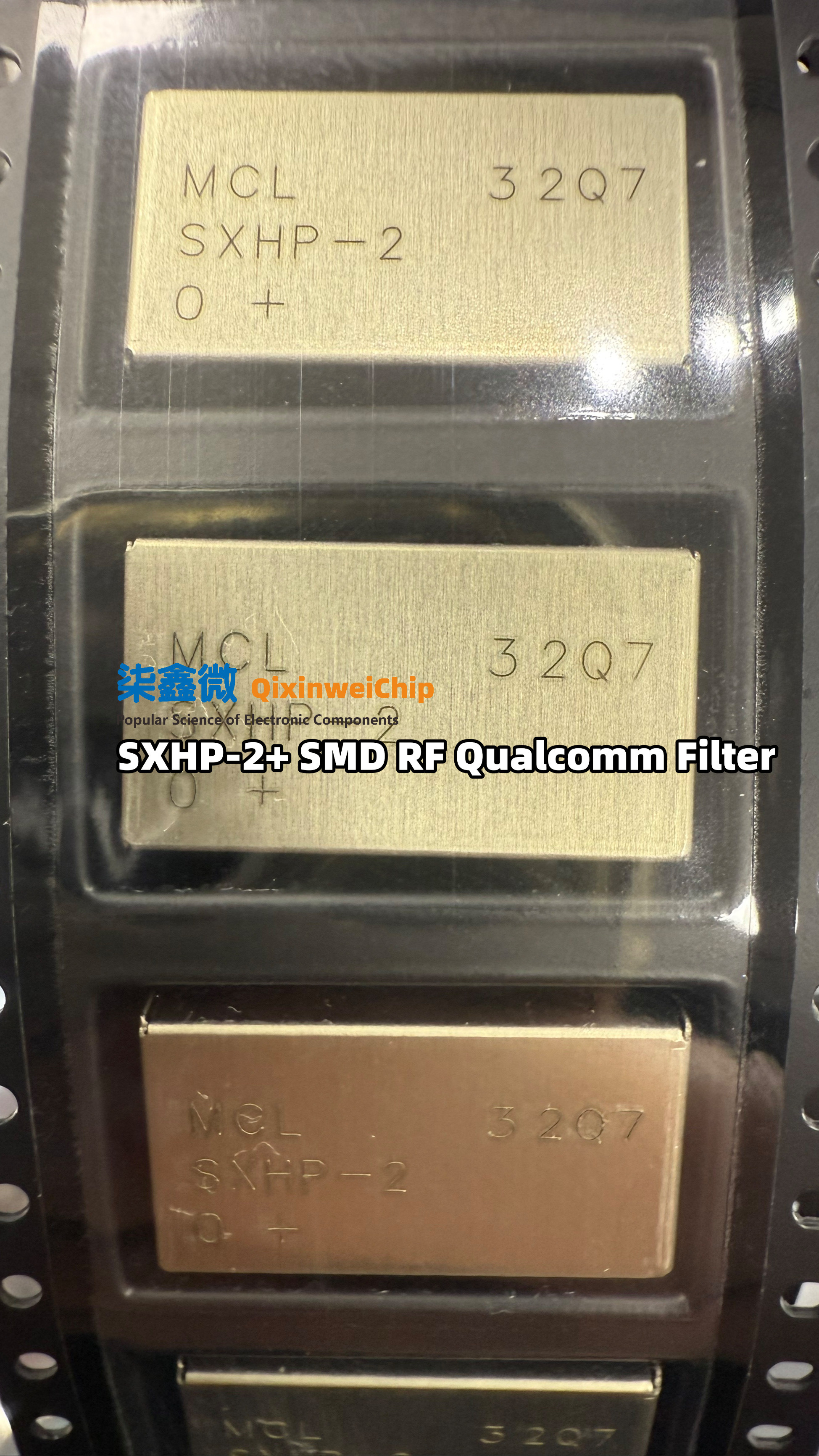
SXHP-2+ Surface-Mount High-Pass Filter
The SXHP-2+ is suitable for applications requiring ultra-low-frequency rejection while maintaining RF signal integrity.
Key specifications include:
2 MHz cutoff frequency
50Ω impedance matching
Surface-mount design
Low insertion loss
Stable performance across industrial temperature ranges
Typical implementation areas:
HF radio equipment
RFID systems
RF signal generators
Industrial communication boards
Broadcast signal processing
For engineers searching for a high-pass filter capable of blocking DC and low-frequency noise while preserving signal quality, the SXHP-2+ offers an effective solution for compact RF designs.
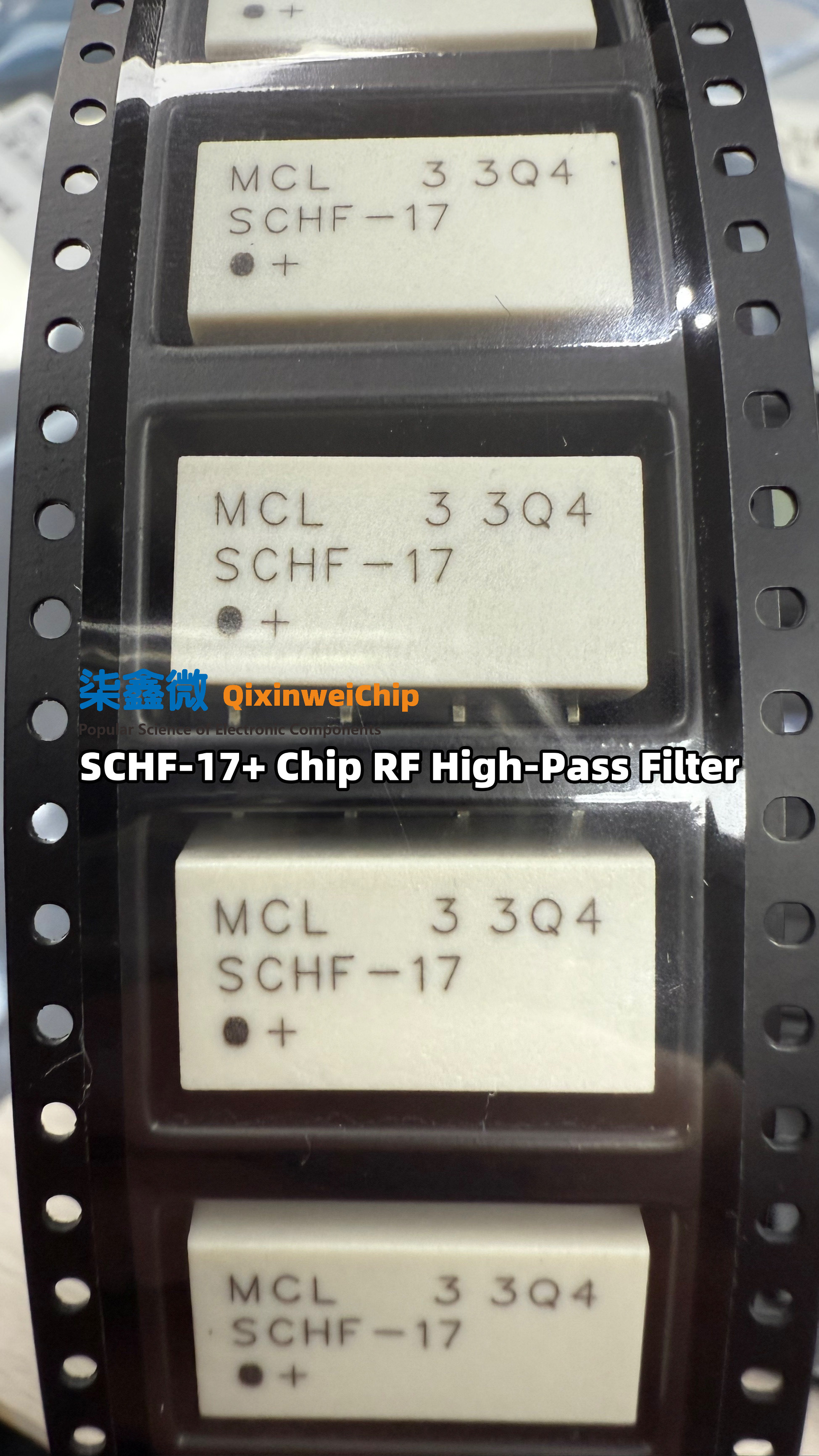
SCHF-17+ Surface-Mount High-Pass Filter
For designs requiring wider RF passband coverage, the SCHF-17+ offers effective suppression of low-frequency interference.
Main features:
16.5 MHz cutoff frequency
18–200 MHz passband
High stopband attenuation
Compact SMT footprint
Consistent RF characteristics
Applications include:
RF monitoring systems
Receiver front-end circuits
Portable communication devices
Smart gateway platforms
RF instrumentation
When engineers ask which RF filter is suitable for communication receivers and monitoring equipment, wide-band high-pass solutions such as the SCHF-17+ are often considered for their ability to improve signal selectivity and reduce unwanted low-frequency interference.
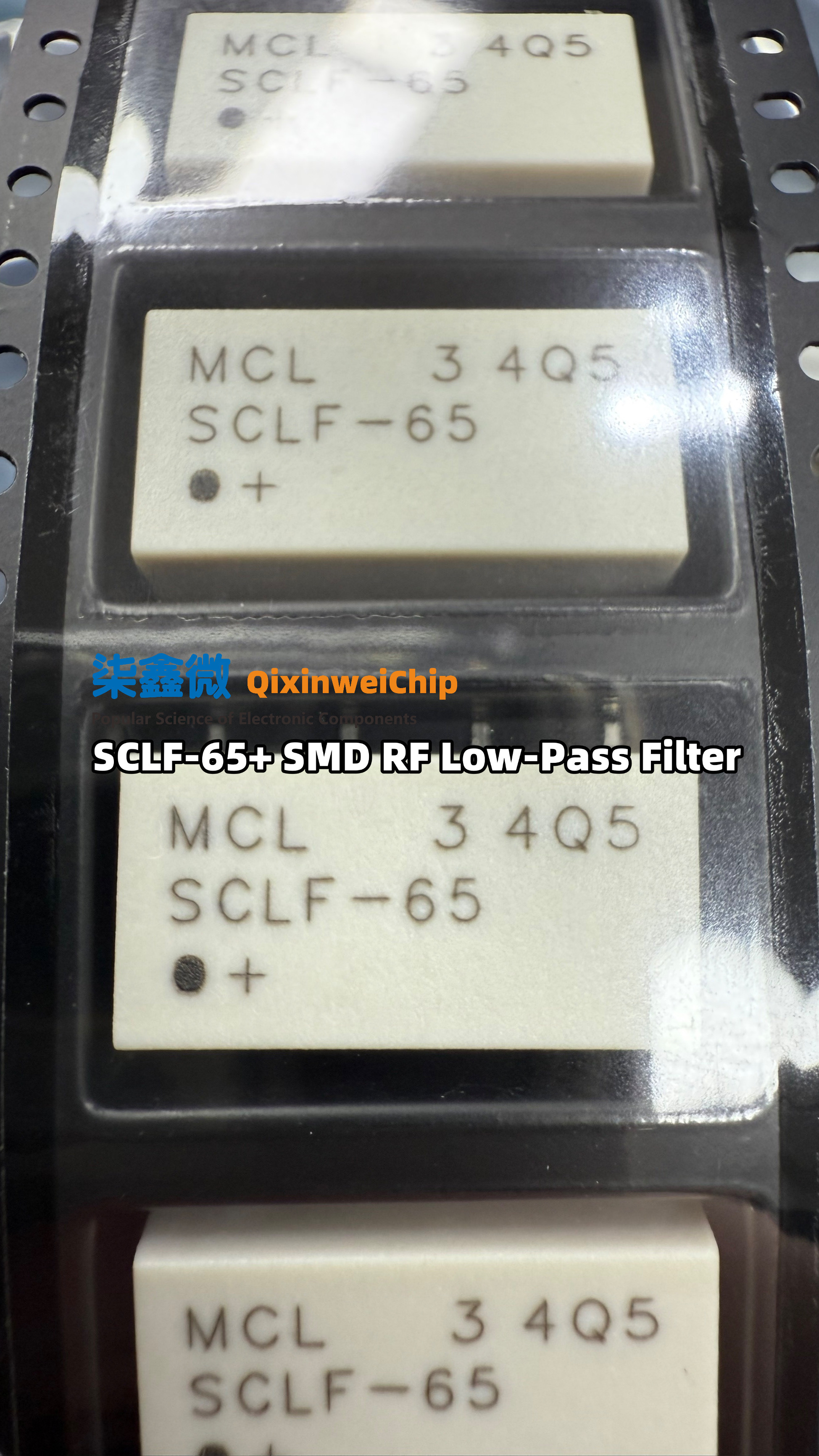
SCLF-65+ Surface-Mount Low-Pass Filter
The SCLF-65+ is designed for lower-frequency RF applications where harmonic suppression is critical.
Advantages:
65 MHz cutoff frequency
Strong rejection of unwanted VHF signals
Standard 50Ω system compatibility
Excellent return loss characteristics
Compact installation footprint
Suitable for:
VHF communication equipment
FM transmission circuits
Industrial monitoring systems
Long-range wireless platforms
Analog signal acquisition devices
For RF designers working with VHF communication systems, selecting a low-pass filter with adequate stopband rejection can significantly improve signal quality and reduce unwanted emissions.
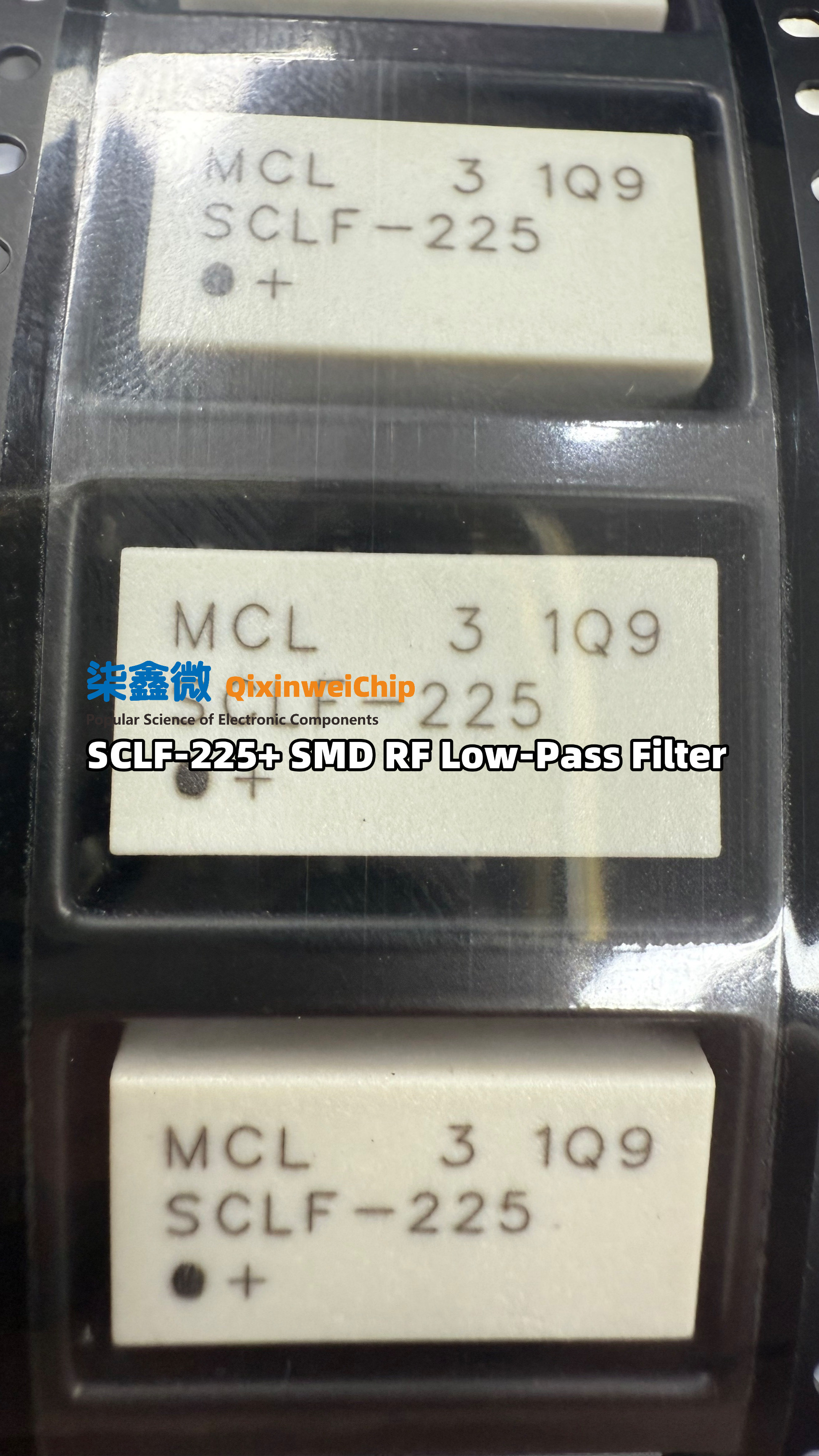
SCLF-225+ Surface-Mount Low-Pass Filter
The SCLF-225+ is engineered to reduce high-frequency leakage and unwanted harmonic content above 225 MHz.
Key benefits:
225 MHz cutoff frequency
Low insertion loss
Space-saving package design
Reliable RF performance
Suitable for automated assembly processes
Common use cases:
Wireless communication modules
RF transceivers
Vehicle communication electronics
Industrial wireless controllers
RF laboratory equipment
As wireless devices become increasingly integrated, compact low-pass filters such as the SCLF-225+ help designers maintain signal integrity while optimizing PCB layout space.
How to Select the Right RF Filter
One of the most searched questions among RF engineers is: How do I choose the right RF filter for my application?
Choosing an RF filter involves more than simply matching a cutoff frequency. Engineers should evaluate several parameters to ensure optimal system performance.
Frequency Range
The filter should align with the operating frequency band while providing sufficient attenuation outside the desired range.
Insertion Loss
Lower insertion loss helps preserve signal strength and improve overall system efficiency.
Impedance Matching
Another common question is: What is a 50Ω RF filter?
A 50Ω RF filter is designed to match the standard impedance used in most RF communication systems. Proper impedance matching minimizes signal reflections, improves power transfer efficiency, and helps maintain stable RF performance throughout the signal chain.
Environmental Reliability
Industrial and outdoor deployments often require components capable of maintaining performance across wide temperature ranges.
PCB Integration
Compact surface-mount packages simplify assembly and support high-density PCB layouts.
This is one reason why SMT RF filters have become increasingly popular in wireless communication equipment, IoT modules, and industrial control systems.
Why RF Filters Are Essential for IoT and Industrial Automation
With the rapid growth of connected devices, many engineers ask: Why are RF filters important in IoT applications?
IoT devices frequently operate in crowded RF environments where multiple wireless standards coexist. Without proper filtering, interference can reduce communication reliability and negatively affect system performance.
RF filters help IoT and industrial systems achieve:
Better signal clarity
Reduced system noise
Improved communication reliability
Enhanced EMC performance
Higher overall product stability
These advantages are particularly important for smart factories, industrial automation networks, wireless sensors, remote monitoring platforms, and intelligent infrastructure systems.
RF Component Supply and Engineering Support
QIXINWEI provides access to a broad selection of Mini-Circuits RF passive components, supporting customers throughout product development and production stages.
Available product categories include:
RF High-Pass Filters
RF Low-Pass Filters
RF Power Splitters
Directional Couplers
RF Attenuators
Mixers
Signal Conditioning Components
Engineers frequently search for reliable sources of RF passive components when developing new projects. In addition to component sourcing, QIXINWEI supports customers with technical documentation, engineering samples, BOM consolidation services, and long-term supply planning.
Whether developing wireless communication equipment, industrial automation systems, IoT devices, automotive electronics, or RF measurement platforms, selecting the right RF filter can significantly improve overall system performance.
As RF environments become increasingly crowded, effective signal filtering is more important than ever. Components such as the SXHP-2+, SCHF-17+, SCLF-65+, and SCLF-225+ provide practical solutions for controlling interference, reducing harmonics, and improving signal integrity across a wide range of applications.
For engineers asking what RF filter is best for wireless communication, industrial automation, or IoT systems, the answer depends on frequency requirements, system architecture, insertion loss targets, and environmental conditions. Understanding these design considerations helps ensure optimal RF performance and long-term operational reliability.
0users like this.